Eye Orbital Surgery
Demystifying Eye Orbital Surgery: Everything You Need to Know
If you've been told you might need Eye Orbital Surgery, it's completely natural to feel a mix of anxiety and confusion. The thought of any surgery near your eyes can be daunting! But take a deep breath; this is a highly specialized field, and understanding the process is the first step toward peace of mind. Our goal here is to walk you through what Eye Orbital Surgery entails, why it's done, and what you can expect on your journey.
The orbit is the bony socket that protects your eyeball, along with the muscles, nerves, and fat surrounding it. When problems arise in this complex area—whether due to trauma, disease, or tumors—specialized surgical intervention is often necessary. Let's dive into the specifics of why this surgery is performed and how it can help restore both function and appearance.
What Exactly is the Orbit and Why Might it Need Surgery?
Think of the orbit as a protective, pyramid-shaped fortress. This bony cavity houses and shields the eyeball and everything crucial for its movement and health. However, because it's so tightly packed with delicate structures, even small issues—like inflammation or a growth—can cause major problems, often affecting vision or causing significant discomfort.
When the contents of the orbit become compromised, whether from swelling, bleeding, or structural damage, Eye Orbital Surgery is required to relieve pressure, repair damage, or remove problematic tissue. Often, the goal is not just cosmetic improvement but vital preservation of sight.
Common Conditions Requiring Eye Orbital Surgery
A wide variety of conditions necessitate specialized orbital intervention. These procedures are typically performed by Oculoplastic surgeons, who specialize in plastic and reconstructive surgery of the eyelids, tear ducts, and orbit. Understanding the root cause helps determine the best surgical approach.
Thyroid Eye Disease (Graves' Orbitopathy)
This is one of the most common reasons adults need Eye Orbital Surgery. Thyroid Eye Disease (TED) causes inflammation and swelling of the orbital fat and eye muscles. This forces the eyeballs forward, a condition known as proptosis or bulging eyes. If the swelling is severe, it can compress the optic nerve, leading to potential vision loss.
Surgery for TED often involves orbital decompression, which we will discuss shortly. The aim is to create more space within the bony socket to relieve pressure on the eye and the nerve, improving both function and appearance.
Orbital Fractures and Trauma
Blunt force trauma to the face, such as from a car accident or sports injury, can lead to orbital fractures. These breaks often occur in the thin floor or medial wall of the orbit (called a blowout fracture). If left untreated, severe fractures can cause:
- Double vision (diplopia)
- Sunken appearance of the eye (enophthalmos)
- Difficulty moving the eye due to muscle entrapment
In these cases, the Eye Orbital Surgery involves reconstructing the bony walls, often using small plates, screws, or synthetic materials to restore the proper orbital volume and position of the eye.
Types of Eye Orbital Surgery Procedures
The type of procedure performed depends entirely on the underlying problem. While these surgeries sound complex, advances in surgical techniques often allow for minimally invasive approaches, sometimes even utilizing endoscopes (tiny cameras).
Decompression Surgery: Creating Space
Orbital decompression is the procedure most often associated with managing severe Thyroid Eye Disease. The goal is simple: reduce the amount of bone or soft tissue within the orbit to give the swollen muscles and fat more room. This relieves pressure on the optic nerve and allows the protruding eye to move back into a more normal position.
Surgeons achieve this by removing one, two, or even three walls of the orbit. The specific approach will be highly customized based on the severity of your proptosis and pressure issues. It requires incredible precision to ensure nerve function is maintained.
Tumor Removal (Orbital Tumor Excision)
While relatively rare, tumors can develop in the orbit. These growths can be benign (non-cancerous) or malignant (cancerous). Even benign tumors can cause significant vision problems simply by pressing on the optic nerve or disrupting eye movement. Therefore, successful Eye Orbital Surgery in this context requires complete or near-complete removal of the mass.
Depending on the tumor's location, the surgeon may access it through an incision in the eyelid, the inner corner of the eye, or in some deep cases, through a craniotomy (accessing the orbit via the skull, usually performed with a neurosurgeon). Technology like stereotactic navigation systems helps the surgical team pinpoint the exact location of the mass before making any incisions.
Preparing for Your Eye Orbital Surgery
Preparation is key to a smooth surgical experience. Because Eye Orbital Surgery often deals with sensitive structures, your surgical team will conduct extensive pre-operative testing, which usually includes high-resolution CT scans or MRIs to map the precise location of the issue.
Your surgeon will provide specific instructions, but generally, you should plan for the following:
- Stop taking blood-thinning medications (aspirin, ibuprofen, certain supplements) for a week or two prior, if advised by your doctor.
- Arrange for transportation and support, as you will not be able to drive yourself home and will need help for the first few days of recovery.
- Discuss any existing health conditions, especially high blood pressure or diabetes, as these can impact the healing process.
Make sure you ask all your questions before the day of surgery. A clear understanding of the procedure will help ease anxiety.
Recovery and Life After Eye Orbital Surgery
Recovery time varies greatly depending on the complexity of the Eye Orbital Surgery performed. Most patients experience significant swelling and bruising immediately following the procedure, which peaks around 48 to 72 hours post-surgery. This is normal and manageable with cold compresses and prescribed pain medication.
Here's what a typical recovery might look like:
- First Week: Focus on rest. Keep your head elevated to minimize swelling. Vision may be blurry or double initially.
- Weeks 2–4: Swelling subsides significantly. You may begin to resume light, non-strenuous activities. Your surgeon will typically remove any non-dissolvable sutures during this time.
- Months 3–6: Full functional recovery. Residual swelling diminishes, and the final cosmetic outcome becomes apparent. If the surgery was for TED, additional surgeries (like eyelid lifts or muscle adjustments) might follow to fine-tune the result.
Patience is crucial during recovery. Healing is a gradual process, particularly when involving delicate structures like those within the eye socket.
Conclusion
Eye Orbital Surgery is a highly specialized and often life-changing set of procedures necessary to address issues ranging from severe trauma to complex diseases like Graves' Orbitopathy. Whether you are seeking relief from pressure, repair of a fracture, or removal of a tumor, modern surgical techniques offer excellent outcomes.
While the prospect of needing Eye Orbital Surgery can be overwhelming, partnering with an experienced oculoplastic surgeon ensures you receive the highest level of care. By understanding the procedure and carefully following post-operative instructions, you are taking the best possible steps toward restoring both your vision and your quality of life.
Frequently Asked Questions (FAQ) About Eye Orbital Surgery
- What kind of specialist performs Eye Orbital Surgery?
- Eye Orbital Surgery is typically performed by an Oculoplastic Surgeon. These are ophthalmologists who have completed specialized fellowship training focusing on reconstructive and cosmetic procedures involving the eyelids, tear ducts, and the orbit.
- Is Eye Orbital Surgery performed under general anesthesia?
- Yes, due to the complexity and sensitivity of the structures involved, most major Eye Orbital Surgery procedures (such as decompression or tumor excision) are performed under general anesthesia.
- Will my vision be affected permanently after the operation?
- The goal of Eye Orbital Surgery is often to preserve or improve vision, especially if the optic nerve was compressed. However, temporary changes, such as double vision or blurring, are common post-surgery due to swelling. Permanent vision changes are rare but depend on the pre-existing condition and complexity of the surgery.
- How long does a typical orbital surgery take?
- The duration varies significantly. A simple fracture repair might take 1–2 hours, while a complex, multi-wall orbital decompression or the removal of a large, deep tumor can take 4 or more hours.
- Are there significant scars after Eye Orbital Surgery?
- Surgeons strive to minimize visible scarring. Many incisions are hidden within the natural creases of the eyelid or eyebrow, or sometimes accessed through the conjunctiva (inside the eyelid), resulting in minimal cosmetic change once fully healed.
Eye Orbital Surgery
Eye Orbital Surgery Wallpapers
Collection of eye orbital surgery wallpapers for your desktop and mobile devices.

Crisp Eye Orbital Surgery Scene Collection
A captivating eye orbital surgery scene that brings tranquility and beauty to any device.

Spectacular Eye Orbital Surgery Background Illustration
Find inspiration with this unique eye orbital surgery illustration, crafted to provide a fresh look for your background.

Amazing Eye Orbital Surgery Abstract Digital Art
Explore this high-quality eye orbital surgery image, perfect for enhancing your desktop or mobile wallpaper.

High-Quality Eye Orbital Surgery Abstract for Your Screen
Explore this high-quality eye orbital surgery image, perfect for enhancing your desktop or mobile wallpaper.
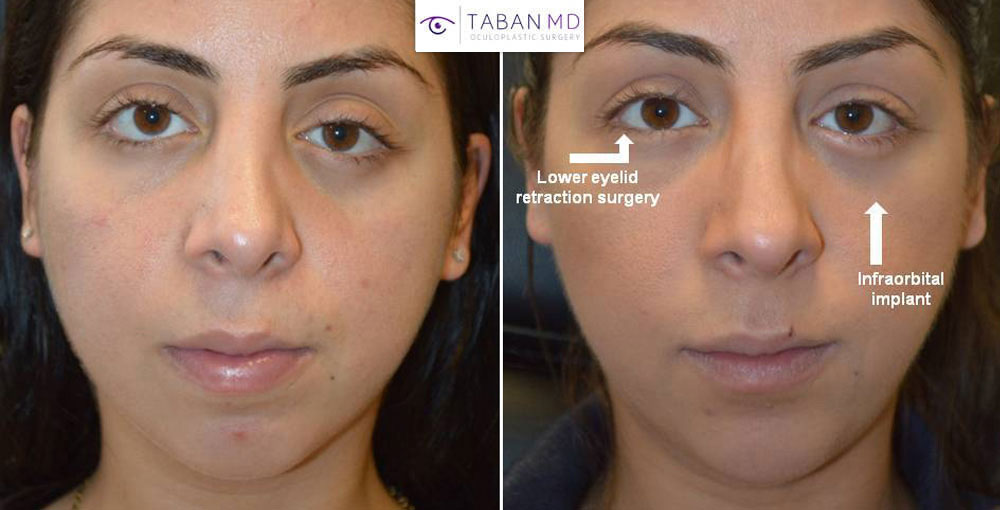
Crisp Eye Orbital Surgery Abstract in HD
Immerse yourself in the stunning details of this beautiful eye orbital surgery wallpaper, designed for a captivating visual experience.
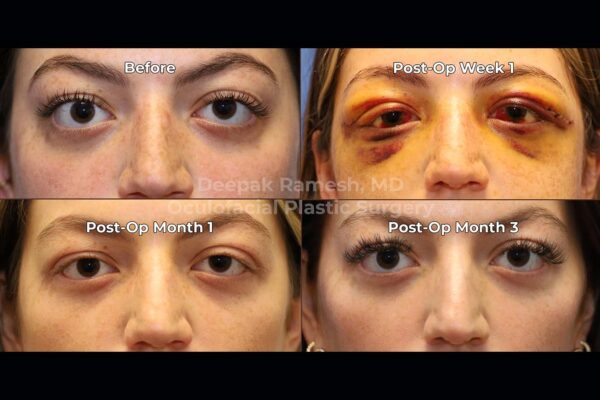
Breathtaking Eye Orbital Surgery Photo Photography
Explore this high-quality eye orbital surgery image, perfect for enhancing your desktop or mobile wallpaper.

Detailed Eye Orbital Surgery Moment Art
Explore this high-quality eye orbital surgery image, perfect for enhancing your desktop or mobile wallpaper.
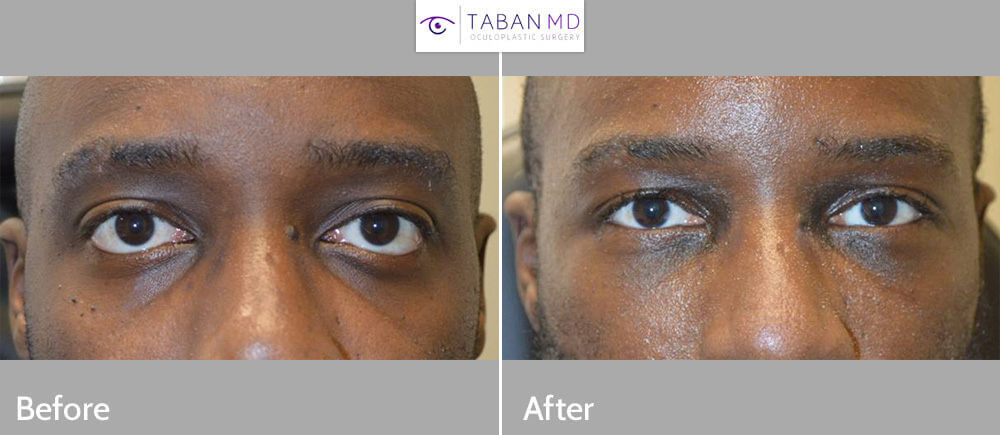
Vibrant Eye Orbital Surgery Photo for Your Screen
Transform your screen with this vivid eye orbital surgery artwork, a true masterpiece of digital design.

Spectacular Eye Orbital Surgery Image for Your Screen
A captivating eye orbital surgery scene that brings tranquility and beauty to any device.
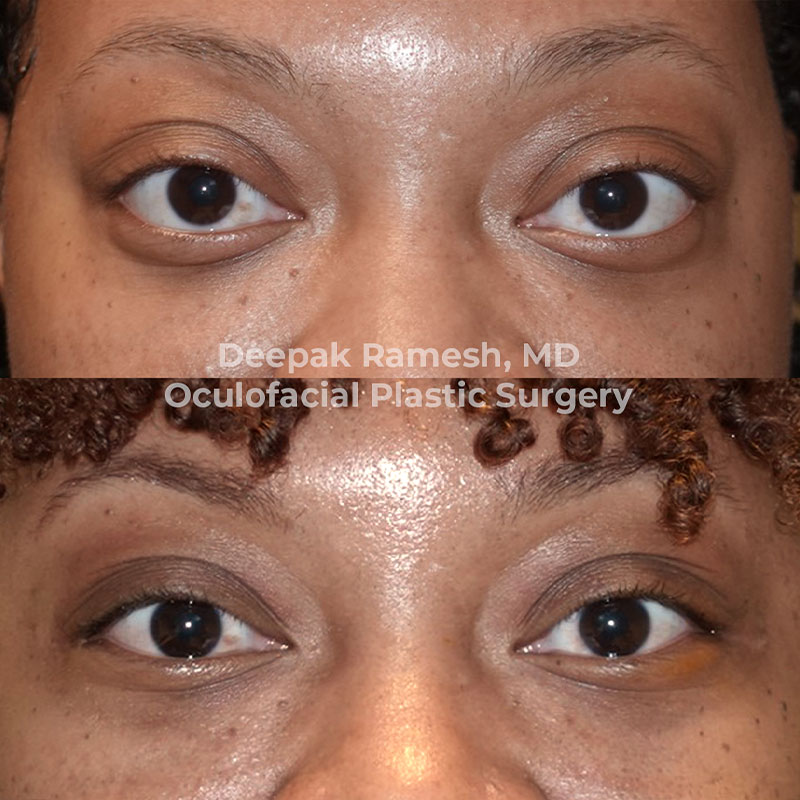
Serene Eye Orbital Surgery View Nature
Transform your screen with this vivid eye orbital surgery artwork, a true masterpiece of digital design.

Gorgeous Eye Orbital Surgery Wallpaper Digital Art
Find inspiration with this unique eye orbital surgery illustration, crafted to provide a fresh look for your background.

Vibrant Eye Orbital Surgery Wallpaper Concept
Transform your screen with this vivid eye orbital surgery artwork, a true masterpiece of digital design.
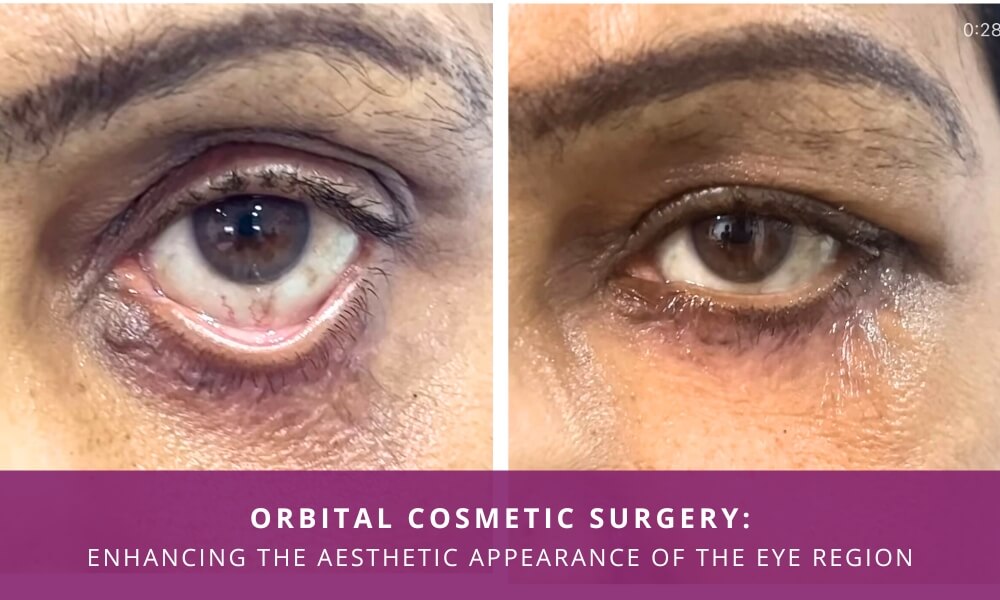
Exquisite Eye Orbital Surgery Capture Concept
A captivating eye orbital surgery scene that brings tranquility and beauty to any device.
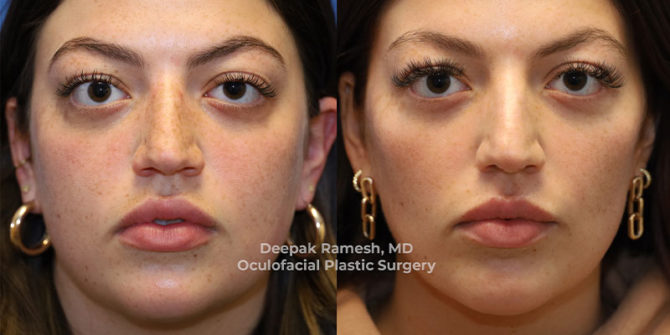
Dynamic Eye Orbital Surgery Landscape for Your Screen
Find inspiration with this unique eye orbital surgery illustration, crafted to provide a fresh look for your background.
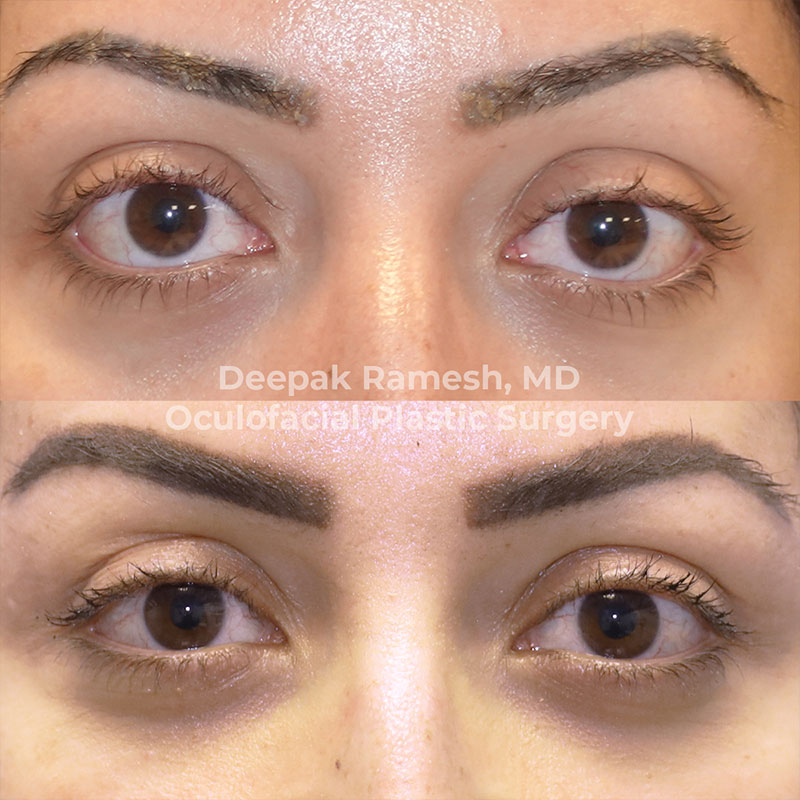
Lush Eye Orbital Surgery Landscape in 4K
Find inspiration with this unique eye orbital surgery illustration, crafted to provide a fresh look for your background.
.png "Artistic Eye Orbital Surgery Artwork Concept")
Artistic Eye Orbital Surgery Artwork Concept
A captivating eye orbital surgery scene that brings tranquility and beauty to any device.

Amazing Eye Orbital Surgery Wallpaper in HD
Transform your screen with this vivid eye orbital surgery artwork, a true masterpiece of digital design.

Mesmerizing Eye Orbital Surgery Landscape Collection
Transform your screen with this vivid eye orbital surgery artwork, a true masterpiece of digital design.
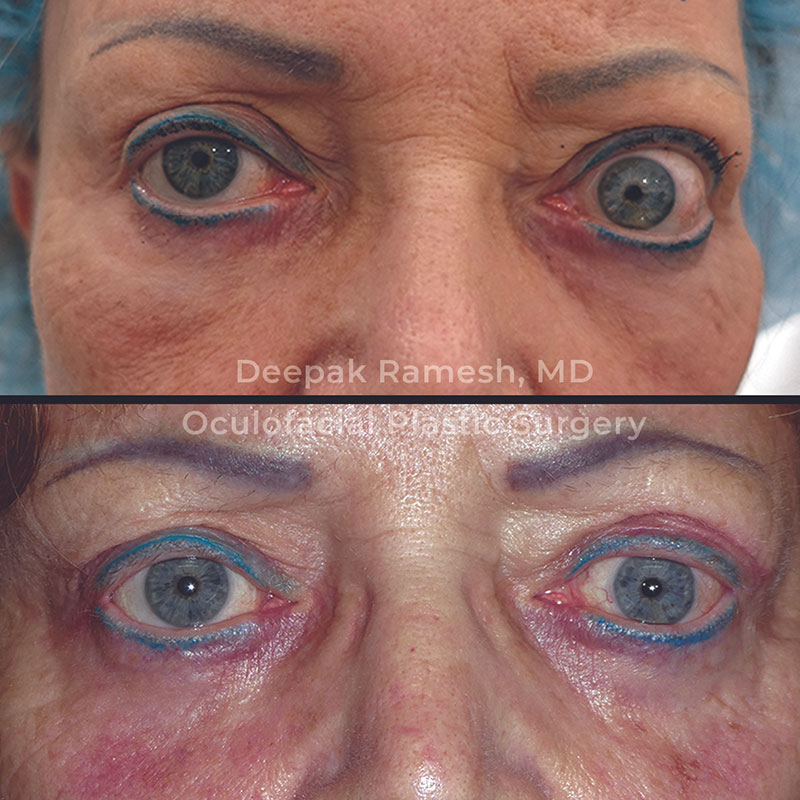
Lush Eye Orbital Surgery View for Your Screen
A captivating eye orbital surgery scene that brings tranquility and beauty to any device.
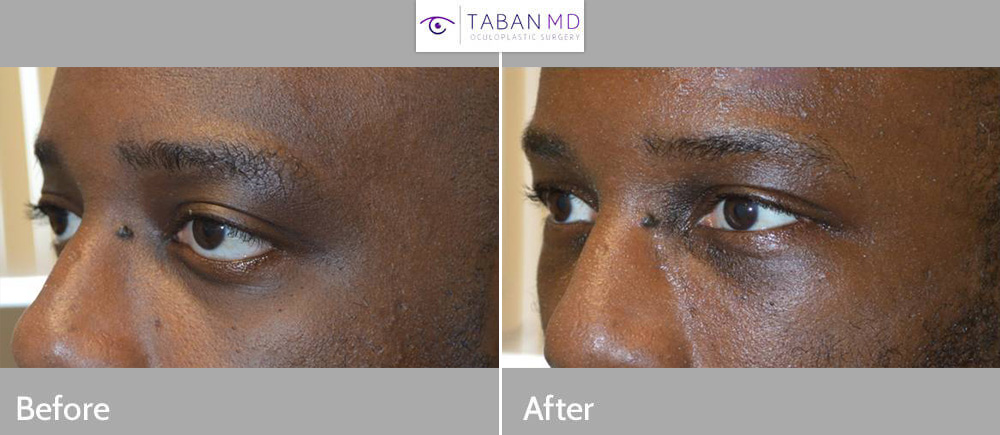
Mesmerizing Eye Orbital Surgery Wallpaper Photography
Explore this high-quality eye orbital surgery image, perfect for enhancing your desktop or mobile wallpaper.
Download these eye orbital surgery wallpapers for free and use them on your desktop or mobile devices.
0 Response to "Eye Orbital Surgery"
Post a Comment