Cone Shaped Eye
Cone Shaped Eye: Understanding Keratoconus and Your Vision
If you have recently heard the phrase "Cone Shaped Eye," or perhaps your eye doctor used a complex term like Keratoconus, you might be feeling a little worried or confused. We understand that vision issues can be unsettling, but rest assured, you are in the right place to learn all about this condition in a clear and easy-to-digest way.
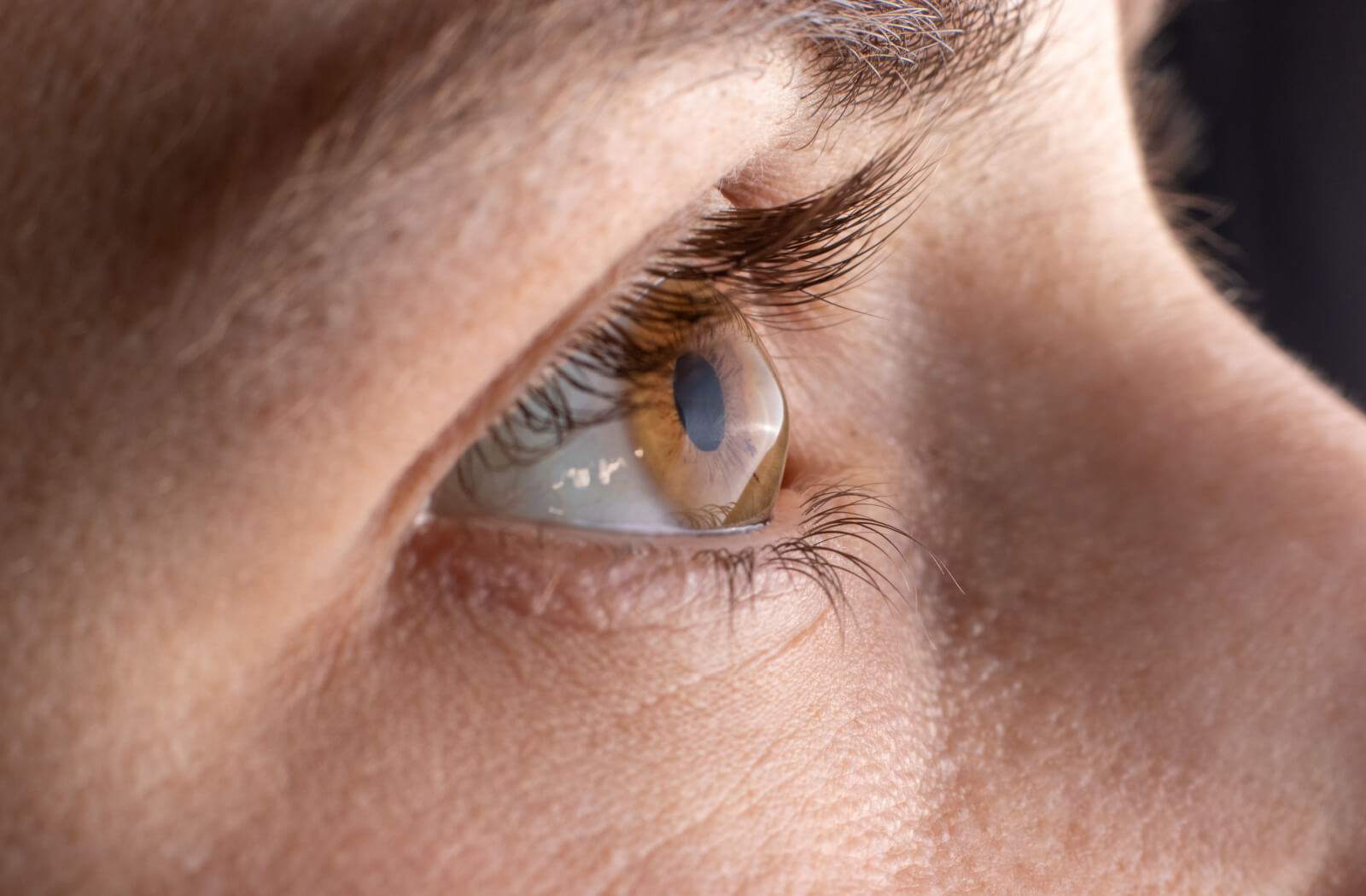
The term Cone Shaped Eye is the simple, descriptive way to talk about Keratoconus. It's a condition where the clear front surface of your eye—the cornea—starts to thin and gradually bulge outward into a cone shape. This change dramatically affects how light enters your eye, leading to blurry and distorted vision.
Our goal here is to walk you through exactly what Keratoconus means for your vision, why it happens, and most importantly, what modern science offers in terms of diagnosis and treatment. Let's dive in and demystify the Cone Shaped Eye condition together.
What Exactly is a Cone Shaped Eye (Keratoconus)?
To fully grasp Keratoconus, we first need a quick lesson on the cornea. The cornea is a clear, dome-shaped window at the front of your eye. Its main job is to focus light onto the retina, which is crucial for sharp vision. When the cornea is healthy, it maintains a smooth, spherical shape.
In people with a Cone Shaped Eye, the internal structure of the cornea weakens. This structural compromise causes the center or lower-center part of the cornea to bulge forward, forming a cone. This irregular shape prevents the eye from focusing light correctly, much like looking through a distorted glass pane.
The progression of Keratoconus is often slow, typically spanning 10 to 20 years. It usually begins in the late teens or early twenties and can affect both eyes, though one eye may be more severely affected than the other.
Recognizing the Warning Signs of Cone Shaped Eye
Since Keratoconus often starts subtly, recognizing the early symptoms is key to managing the condition effectively. If you or someone you know is frequently complaining about their vision changing rapidly, it might be time to see an eye specialist.
Here are some of the most common early indicators associated with a Cone Shaped Eye:
- Blurry or slightly distorted vision, where straight lines look wavy or bent.
- Increased sensitivity to light and glare, making driving at night particularly difficult.
- Difficulty with night vision, often seeing halos around light sources.
- Frequent changes in eyeglass prescriptions, as vision rapidly deteriorates.
- Eye redness or swelling, which can occur, especially in advanced stages.
If you notice these symptoms progressing, especially if glasses or standard contact lenses are no longer providing adequate correction, it is crucial to consult an ophthalmologist immediately.
The Underlying Causes and Risk Factors
Scientists haven't pinpointed a single definitive cause for the development of a Cone Shaped Eye. However, research suggests that it is likely a combination of genetic predisposition and environmental factors that trigger the corneal thinning.
Essentially, Keratoconus appears to be related to a decrease in protective antioxidants within the cornea. These antioxidants usually help keep the collagen fibers (the structural beams of the cornea) strong. When they are depleted, the cornea becomes vulnerable and starts to weaken, leading to the characteristic cone shape.
Genetic Links and Environmental Triggers
While only about one in ten people with Keratoconus have a family member with the condition, there is a strong suggestion of a genetic link. If you have a relative with a Cone Shaped Eye, you should certainly discuss this history with your eye care professional.
Beyond genetics, certain lifestyle factors and co-existing health conditions seem to increase the risk:
- **Excessive Eye Rubbing:** This is perhaps the most common preventable trigger. Chronic rubbing can physically damage the delicate corneal tissue, accelerating the thinning process.
- **Allergies and Asthma:** People with severe allergies often rub their eyes due to itchiness, and these conditions are frequently linked to Keratoconus.
- **Systemic Conditions:** Some systemic disorders, such as Down syndrome, Ehlers-Danlos syndrome, and osteogenesis imperfecta, have been associated with a higher incidence of Keratoconus.
Diagnosis: How Doctors Confirm a Cone Shaped Eye
If your doctor suspects you have Keratoconus, they will use specialized tools to map the surface of your cornea. A standard eye exam for glasses simply isn't enough to detect this condition reliably.
Early diagnosis is vital because treatments are much more effective before the cone shape becomes severe. The diagnostic process usually involves several key tests:
- **Corneal Topography:** This is the most critical test. It uses reflected light to create a detailed, colored map of the cornea's curvature, highlighting irregularities and the characteristic bulging associated with a Cone Shaped Eye.
- **Pachymetry:** This measures the thickness of the cornea. A significantly thinned cornea is a major indicator of Keratoconus.
- **Slit-Lamp Examination:** The doctor uses a high-powered microscope to examine the structure of the cornea for signs of thinning, scarring, or stress lines (Vogt's striae).
Treatment Options for Managing Cone Shaped Eye
The good news is that treatment for the Cone Shaped Eye has advanced significantly. The treatment approach depends heavily on the stage of the condition and how rapidly it is progressing.
Early Stage Interventions
In the early stages, when the corneal shape change is minimal, the primary goal is often simply to correct vision using standard methods:
- **Eyeglasses:** These work well when the vision distortion is mild.
- **Soft Contact Lenses:** Standard soft contacts may still provide clear vision, but this is usually temporary as the condition progresses.
- **Toric Soft Lenses:** These are designed to correct astigmatism, which is often increased by the early cone shape.
However, as the Cone Shaped Eye progresses, the irregular shape becomes too severe for regular lenses, and more specialized methods are necessary.
Advanced Stage Solutions
Once the Keratoconus has advanced, specialized contact lenses or surgical procedures are needed. These methods either stabilize the cornea or correct the distortion caused by the cone.
Corneal Cross-Linking (CXL)
CXL is often considered the most important breakthrough in Keratoconus treatment. It is a minimally invasive procedure that aims to halt the progression of the condition. By using Riboflavin (Vitamin B2) eye drops and ultraviolet (UV) light, CXL strengthens the collagen fibers in the cornea. It effectively "freezes" the cone shape, preventing further thinning and bulging.
If you are diagnosed with progressive Keratoconus, CXL is usually the recommended first line of defense to stabilize your vision before seeking vision correction.
Intacs and Corneal Transplant
For moderate cases, specialized contact lenses (like Rigid Gas Permeable or Scleral lenses) are used. These lenses create a new, smooth focusing surface over the irregular Cone Shaped Eye.
Another option is Intacs, tiny plastic inserts placed in the cornea to help flatten the cone and reduce distortion. However, in a small percentage of severe, advanced cases—where scarring is extensive or vision is no longer correctable with lenses—a corneal transplant (keratoplasty) may be necessary to restore sight.
Conclusion: Living Well with a Cone Shaped Eye
Hearing the diagnosis of a Cone Shaped Eye (Keratoconus) can be overwhelming, but remember that this condition is manageable, especially with early detection. Keratoconus is not a sentence for blindness; it is a structural change that modern ophthalmology is well-equipped to handle.
Whether you require simple specialized contact lenses or a stabilizing procedure like Corneal Cross-Linking, maintaining a close relationship with your eye specialist is crucial. If you suspect you have any symptoms related to a Cone Shaped Eye, take the proactive step of getting a comprehensive topographical examination today. Your clear vision is achievable!
Frequently Asked Questions About Cone Shaped Eye (Keratoconus)
- Can Keratoconus be cured?
- Currently, there is no cure for Keratoconus. However, treatments like Corneal Cross-Linking (CXL) can effectively halt the progression of the cone shape, preventing further vision loss. Vision correction methods (lenses, surgery) can then restore function.
- Is the condition painful?
- The structural change itself is generally not painful. However, advanced stages may lead to corneal scarring or swelling, which can cause discomfort, irritation, and excessive light sensitivity. Specialized contact lenses, particularly rigid or scleral lenses, can sometimes be uncomfortable until the patient adjusts to them.
- Do I have to stop rubbing my eyes entirely?
- Yes, absolutely. Excessive eye rubbing is a significant risk factor and can accelerate the progression of a Cone Shaped Eye condition dramatically. If allergies cause frequent itching, speak to your doctor about anti-allergy drops to manage the irritation without rubbing.
- Will my insurance cover treatment for a Cone Shaped Eye?
- Coverage varies widely. Because specialized treatments like CXL, scleral contact lenses, and Intacs are considered medically necessary interventions for Keratoconus (a disease), they are often covered by medical insurance rather than standard vision plans. Always check with your insurance provider prior to beginning treatment.
- How common is a corneal transplant for Keratoconus?
- Corneal transplants are becoming increasingly rare for Keratoconus thanks to the success of stabilization treatments like CXL. Only about 10-20% of patients with a Cone Shaped Eye ultimately require a transplant, usually only in cases of severe, uncorrectable vision loss or extensive scarring.
Cone Shaped Eye
Cone Shaped Eye Wallpapers
Collection of cone shaped eye wallpapers for your desktop and mobile devices.

Vivid Cone Shaped Eye Background in HD
Discover an amazing cone shaped eye background image, ideal for personalizing your devices with vibrant colors and intricate designs.
Serene Cone Shaped Eye Capture in HD
Transform your screen with this vivid cone shaped eye artwork, a true masterpiece of digital design.
Captivating Cone Shaped Eye Landscape Digital Art
Immerse yourself in the stunning details of this beautiful cone shaped eye wallpaper, designed for a captivating visual experience.

Vivid Cone Shaped Eye Picture for Your Screen
Explore this high-quality cone shaped eye image, perfect for enhancing your desktop or mobile wallpaper.

Serene Cone Shaped Eye Capture Photography
Experience the crisp clarity of this stunning cone shaped eye image, available in high resolution for all your screens.
Detailed Cone Shaped Eye Design Digital Art
Explore this high-quality cone shaped eye image, perfect for enhancing your desktop or mobile wallpaper.

Amazing Cone Shaped Eye Photo for Desktop
Discover an amazing cone shaped eye background image, ideal for personalizing your devices with vibrant colors and intricate designs.

Serene Cone Shaped Eye View Nature
Experience the crisp clarity of this stunning cone shaped eye image, available in high resolution for all your screens.

Serene Cone Shaped Eye Capture Concept
Discover an amazing cone shaped eye background image, ideal for personalizing your devices with vibrant colors and intricate designs.
Exquisite Cone Shaped Eye Scene Illustration
Find inspiration with this unique cone shaped eye illustration, crafted to provide a fresh look for your background.
Crisp Cone Shaped Eye Background for Desktop
Immerse yourself in the stunning details of this beautiful cone shaped eye wallpaper, designed for a captivating visual experience.

Serene Cone Shaped Eye Capture Concept
Transform your screen with this vivid cone shaped eye artwork, a true masterpiece of digital design.

Detailed Cone Shaped Eye Capture Digital Art
Explore this high-quality cone shaped eye image, perfect for enhancing your desktop or mobile wallpaper.
Captivating Cone Shaped Eye Photo Concept
Find inspiration with this unique cone shaped eye illustration, crafted to provide a fresh look for your background.
Artistic Cone Shaped Eye Moment Art
A captivating cone shaped eye scene that brings tranquility and beauty to any device.

Breathtaking Cone Shaped Eye Artwork in 4K
Transform your screen with this vivid cone shaped eye artwork, a true masterpiece of digital design.
High-Quality Cone Shaped Eye Moment Illustration
Explore this high-quality cone shaped eye image, perfect for enhancing your desktop or mobile wallpaper.

Exquisite Cone Shaped Eye Moment Illustration
Immerse yourself in the stunning details of this beautiful cone shaped eye wallpaper, designed for a captivating visual experience.

Detailed Cone Shaped Eye Abstract Art
Discover an amazing cone shaped eye background image, ideal for personalizing your devices with vibrant colors and intricate designs.

Mesmerizing Cone Shaped Eye Moment Nature
Transform your screen with this vivid cone shaped eye artwork, a true masterpiece of digital design.
Download these cone shaped eye wallpapers for free and use them on your desktop or mobile devices.
0 Response to "Cone Shaped Eye"
Post a Comment