Wilson Eye Disease
Wilson Eye Disease: Everything You Need to Know About This Rare Condition
If you or someone you care about has recently received news concerning Wilson Disease, it's completely normal to feel worried or overwhelmed. Dealing with a rare condition can bring up a lot of questions, especially when it involves something as vital as your vision. We're here to break down the connection between this liver disorder and your eyes, often referred to specifically as Wilson Eye Disease, in a simple, easy-to-understand way.
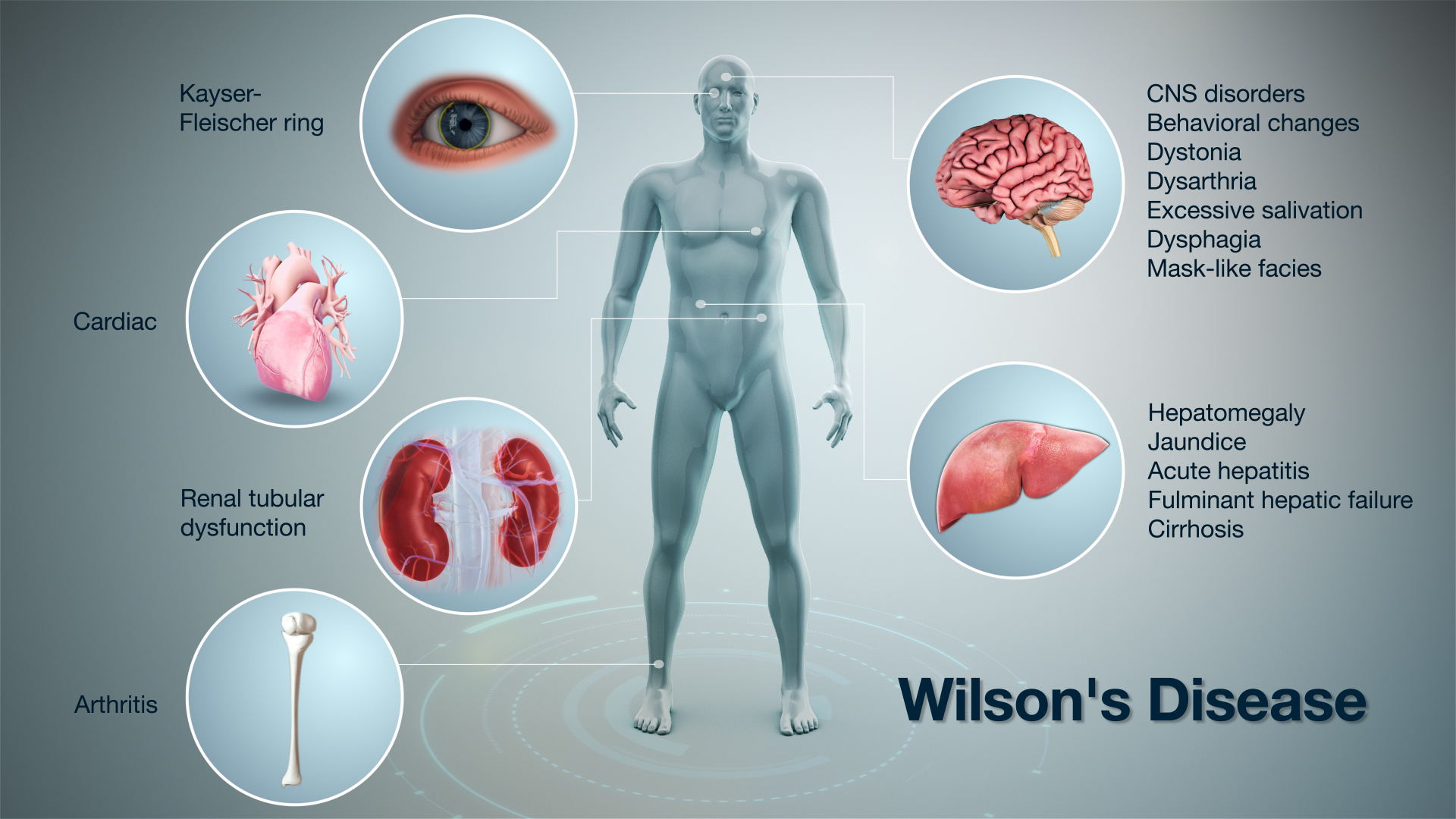
Wilson Disease (WD) is primarily a genetic disorder that prevents your body from properly processing copper. Instead of being eliminated, copper builds up to toxic levels in various organs, including the liver, brain, and—you guessed it—the eyes. Understanding the ocular symptoms is often key to early diagnosis, which can dramatically improve outcomes.
Understanding Wilson Disease and Its Eye Connection
Wilson Disease is a surprisingly common rare disease, affecting about 1 in 30,000 people globally. It's caused by a mutation in the ATP7B gene, which controls a protein responsible for moving copper out of the liver. When this system fails, copper starts accumulating, slowly poisoning the body.
While liver failure and neurological issues are often the most severe consequences, the ocular signs of WD are usually the most visible and pathognomonic—meaning they are uniquely characteristic of the disease. In fact, many patients are first diagnosed when they visit an eye specialist (ophthalmologist) for a routine exam or unrelated vision problem.
The Hallmarks: Kayser-Fleischer Rings
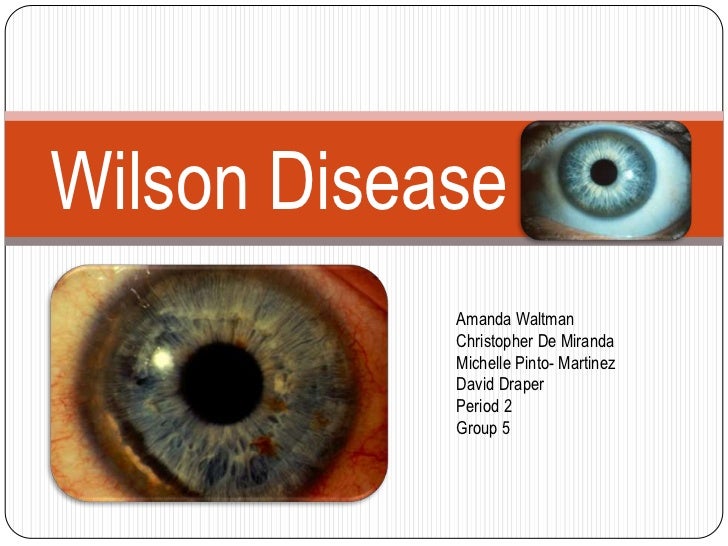
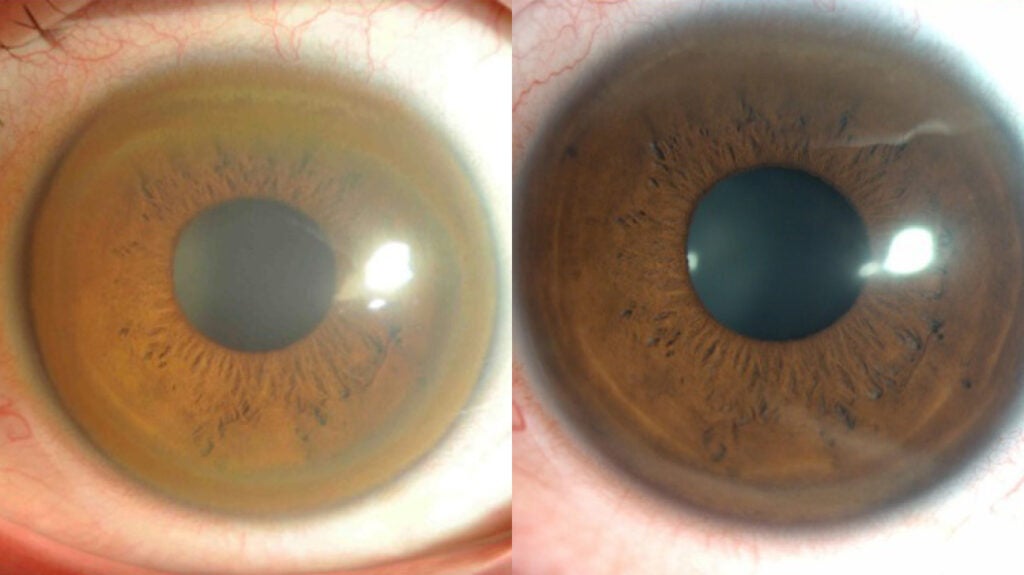
The most famous and recognizable symptom associated with Wilson Eye Disease is the Kayser-Fleischer (KF) ring. These rings are caused by the deposition of copper granules in a specific layer of the cornea called Descemet's membrane. Think of them as tiny, shimmering copper dust that settles right at the edge of your iris.
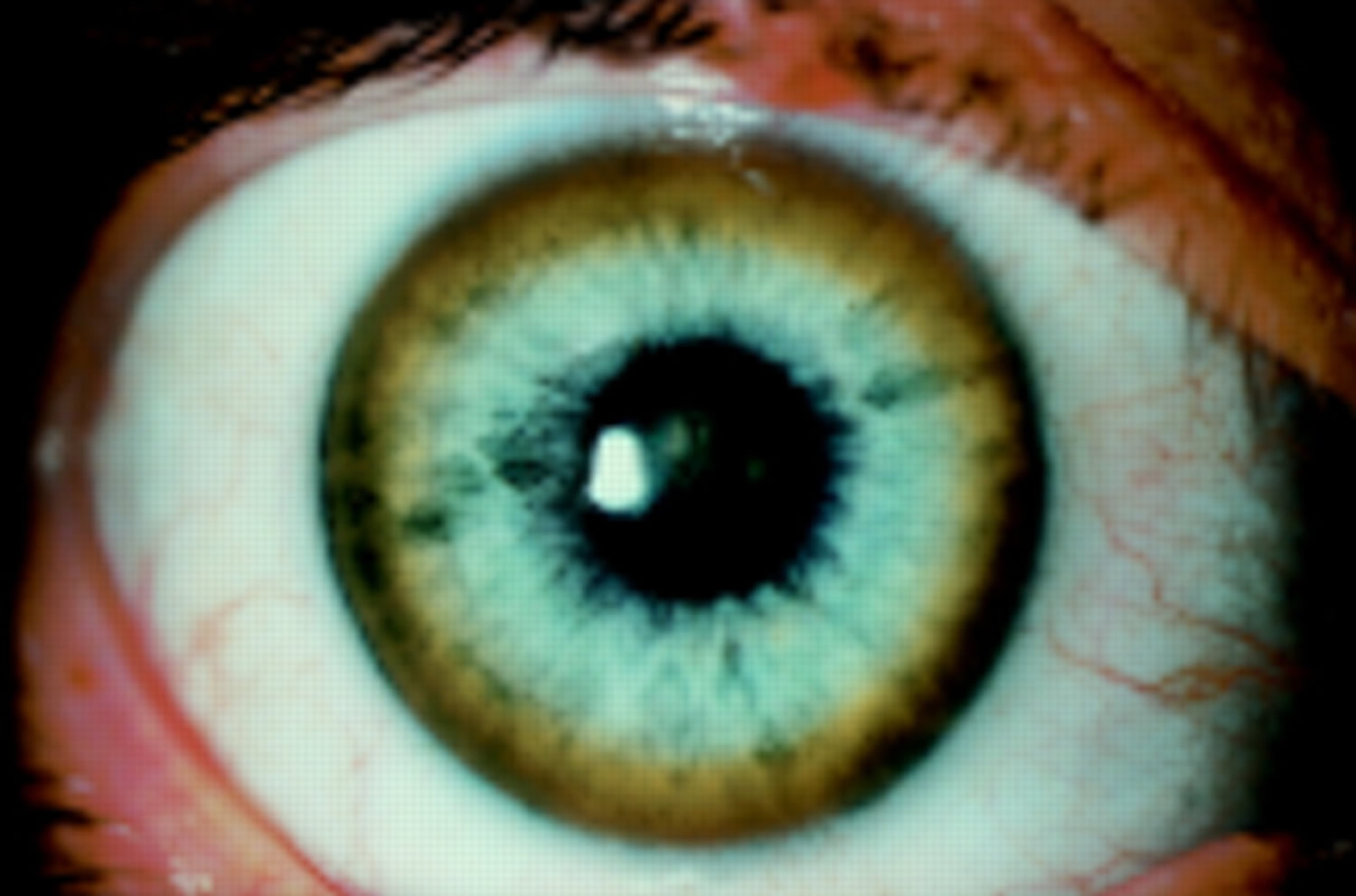
What do KF rings actually look like? They appear as yellowish-brown, reddish-brown, or sometimes greenish rings that encircle the edge of the cornea. They typically start at the top of the eye and spread to completely surround the iris.
It's important to note that you often won't notice these rings yourself, especially in their early stages. A doctor needs a special tool called a slit lamp to see them clearly. In nearly all patients who have neurological symptoms of Wilson Disease, KF rings are present; however, they may be absent in those who only present with liver symptoms.
Other Ocular Manifestations of Wilson Disease
While KF rings are the most common sign, copper toxicity can affect other parts of the eye and the nervous system that controls eye movement. These lesser-known symptoms are just as important for a complete diagnosis.
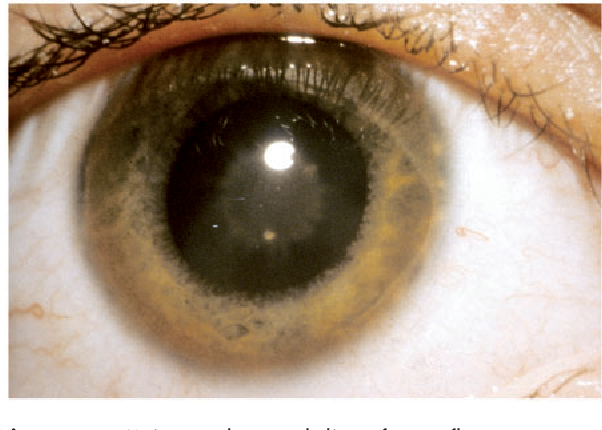
Sunflower Cataracts
This is a less common but highly distinctive sign. Sunflower cataracts are deposits of copper found in the lens of the eye, giving the lens a colorful, multi-petaled appearance, often described as resembling a sunflower. Unlike typical age-related cataracts, these rarely affect vision significantly.
The great news is that, like KF rings, sunflower cataracts often diminish or disappear entirely once treatment for Wilson Disease begins and copper levels are normalized. This demonstrates how effective treatment can be in reversing the effects of copper toxicity.
Optic Neuropathy and Movement Issues
Because Wilson Disease can affect the central nervous system, it sometimes leads to problems controlling the muscles that move the eyes. Though not a primary eye disease itself, neurological WD symptoms can manifest as issues with vision control.
These neurological ocular signs can be subtle but impact daily life. If you notice these symptoms, it's crucial to report them to your neurologist and ophthalmologist right away:
- Difficulty following objects smoothly (ocular pursuit).
- Involuntary or uncontrolled rapid eye movements (nystagmus).
- Trouble with convergence (focusing both eyes inward on a close object).
- Rarely, optic nerve damage (optic neuropathy) leading to actual vision loss.
How Does Copper Affect the Eyes?
Copper is essential for life in small amounts, acting as a cofactor for many enzymes. However, excess copper acts as a potent toxin. The cornea, where KF rings form, is a structure that is constantly filtering fluids and lacks blood vessels. This unique anatomy makes it a prime location for metal deposits.
The copper doesn't just damage the tissue by sitting there; the metal reacts with oxygen in the body, creating harmful free radicals. These radicals cause oxidative stress and cellular damage wherever the copper accumulates, whether it's in the liver cells or the delicate structures of the eye.
Diagnosis and Screening: What to Expect
If Wilson Disease is suspected due to unexplained liver or neurological issues, an eye exam is mandatory and often the quickest way to confirm the diagnosis. Remember, the eye doesn't typically show these signs in any other disease, making it a powerful diagnostic tool.
Here is what happens during the diagnostic process:
- Slit Lamp Examination: The ophthalmologist uses a high-powered microscope (slit lamp) to look for KF rings in the cornea. They may need to turn down the room lights and use high magnification to spot the early, faint deposits.
- Blood Tests: These usually measure ceruloplasmin levels (a protein that carries copper). Low ceruloplasmin is a classic sign of WD.
- Urine Test: A 24-hour urine collection measures the amount of copper excreted by the body. High levels are indicative of WD.
- Genetic Testing: This confirms the specific mutation in the ATP7B gene, which is the definitive way to diagnose Wilson Disease.
- Liver Biopsy: Sometimes required to measure copper content directly in the liver tissue, especially if blood and urine tests are inconclusive.
Treatment and Prognosis: Taking Control
The good news is that Wilson Disease is highly treatable, especially when caught early. Treatment focuses entirely on reducing and managing the copper levels in the body. This is crucial for preventing permanent damage to the liver, brain, and eyes.
The primary treatments involve chelating agents, which are medications that bind to the excess copper and allow the body to excrete it through urine. Common chelators include D-penicillamine and Trientine.
Once copper levels are normalized, patients typically switch to a maintenance therapy, often using zinc acetate. Zinc works by blocking the absorption of dietary copper in the gut, helping to keep levels stable over the long term. This treatment is lifelong and requires strict adherence.
Regarding the eye symptoms, the response to treatment is usually excellent. As copper is cleared from the body, the Kayser-Fleischer rings and sunflower cataracts typically begin to fade. KF rings may take several months or even a year or more to completely disappear, but their fading confirms that the treatment is working effectively.
Conclusion
Wilson Eye Disease, characterized mainly by the presence of Kayser-Fleischer rings, serves as a crucial diagnostic marker for the underlying genetic copper disorder. While the disease itself is serious, recognizing these eye signs early allows for prompt and effective treatment.
Remember, if you have been diagnosed with Wilson Disease, lifelong treatment is mandatory, but it offers an excellent prognosis. Regular monitoring by both a hepatologist (liver specialist) and an ophthalmologist ensures that copper levels remain under control and that the reversible eye symptoms continue to fade, allowing you to live a full and healthy life.
Frequently Asked Questions (FAQ) About Wilson Eye Disease
- Can Kayser-Fleischer rings cause vision loss?
- No, generally not. KF rings are deposits on the cornea, which is the clear front surface of the eye. They rarely obstruct the central visual axis and therefore do not usually interfere with vision. Any vision loss associated with Wilson Disease is more often related to rare cases of optic nerve damage or severe neurological involvement.
- Do the Kayser-Fleischer rings ever disappear?
- Yes, they do! This is one of the most positive indicators of successful treatment. Once the patient begins taking chelating agents to remove excess copper, the KF rings will gradually fade over several months to a few years. Their disappearance confirms that the copper levels are being managed effectively.
- Is Wilson Disease considered a form of blindness?
- No. While it involves ocular symptoms (Wilson Eye Disease), it is not typically considered a cause of blindness. The main deposits are often peripheral and the core vision remains intact, unlike diseases such as macular degeneration or glaucoma.
- If my family member has Wilson Disease, should I get my eyes checked?
- Absolutely. Wilson Disease is genetic (autosomal recessive). If a close family member (sibling or child) is diagnosed, genetic screening is highly recommended. Part of that screening should include a detailed slit lamp eye exam to check for early signs of KF rings, as early detection is vital for the best long-term outcome.
- Is there a difference between Wilson Disease and Wilson Eye Disease?
- Wilson Disease is the overarching systemic genetic disorder affecting the whole body. "Wilson Eye Disease" is simply a term used to describe the specific ocular manifestations (like KF rings and sunflower cataracts) resulting from the systemic copper accumulation.
Wilson Eye Disease
Wilson Eye Disease Wallpapers
Collection of wilson eye disease wallpapers for your desktop and mobile devices.
Gorgeous Wilson Eye Disease Moment Photography
A captivating wilson eye disease scene that brings tranquility and beauty to any device.

Exquisite Wilson Eye Disease View Photography
A captivating wilson eye disease scene that brings tranquility and beauty to any device.

Vivid Wilson Eye Disease Abstract in 4K
Discover an amazing wilson eye disease background image, ideal for personalizing your devices with vibrant colors and intricate designs.

Stunning Wilson Eye Disease View Collection
A captivating wilson eye disease scene that brings tranquility and beauty to any device.

Crisp Wilson Eye Disease View for Your Screen
This gorgeous wilson eye disease photo offers a breathtaking view, making it a perfect choice for your next wallpaper.

Lush Wilson Eye Disease Background Digital Art
A captivating wilson eye disease scene that brings tranquility and beauty to any device.
Amazing Wilson Eye Disease Photo Illustration
Experience the crisp clarity of this stunning wilson eye disease image, available in high resolution for all your screens.

Artistic Wilson Eye Disease Moment for Desktop
A captivating wilson eye disease scene that brings tranquility and beauty to any device.

Mesmerizing Wilson Eye Disease Landscape Art
Discover an amazing wilson eye disease background image, ideal for personalizing your devices with vibrant colors and intricate designs.
Lush Wilson Eye Disease Image for Mobile
This gorgeous wilson eye disease photo offers a breathtaking view, making it a perfect choice for your next wallpaper.
Captivating Wilson Eye Disease Abstract Art
This gorgeous wilson eye disease photo offers a breathtaking view, making it a perfect choice for your next wallpaper.
Gorgeous Wilson Eye Disease Scene for Mobile
This gorgeous wilson eye disease photo offers a breathtaking view, making it a perfect choice for your next wallpaper.

Breathtaking Wilson Eye Disease Photo Art
Experience the crisp clarity of this stunning wilson eye disease image, available in high resolution for all your screens.

Mesmerizing Wilson Eye Disease Landscape for Mobile
Experience the crisp clarity of this stunning wilson eye disease image, available in high resolution for all your screens.

Spectacular Wilson Eye Disease Background for Mobile
Find inspiration with this unique wilson eye disease illustration, crafted to provide a fresh look for your background.
Captivating Wilson Eye Disease Design in 4K
Immerse yourself in the stunning details of this beautiful wilson eye disease wallpaper, designed for a captivating visual experience.

Beautiful Wilson Eye Disease Landscape in HD
Experience the crisp clarity of this stunning wilson eye disease image, available in high resolution for all your screens.

Exquisite Wilson Eye Disease Design Collection
This gorgeous wilson eye disease photo offers a breathtaking view, making it a perfect choice for your next wallpaper.

Dynamic Wilson Eye Disease Image in 4K
A captivating wilson eye disease scene that brings tranquility and beauty to any device.

Vivid Wilson Eye Disease View Concept
Discover an amazing wilson eye disease background image, ideal for personalizing your devices with vibrant colors and intricate designs.
Download these wilson eye disease wallpapers for free and use them on your desktop or mobile devices.
0 Response to "Wilson Eye Disease"
Post a Comment