Why Do Eye Doctors Dilate Your Eyes
Why Do Eye Doctors Dilate Your Eyes: A Complete Guide
If you have ever been to the eye doctor, you have likely experienced the slightly uncomfortable but necessary process of eye dilation. It's that moment when the doctor places drops in your eyes, and suddenly, everything looks a little fuzzy and bright. Most patients naturally wonder, Why Do Eye Doctors Dilate Your Eyes? Is it really necessary?
The short answer is yes, it is absolutely crucial! Eye dilation is one of the most vital steps in a comprehensive eye exam. It allows your eye care specialist to get a deep, unobstructed view of the back of your eye, revealing secrets about your vision and overall health that simply cannot be seen otherwise.
We understand that the temporary light sensitivity and blurred vision can be annoying. However, taking the time to understand the incredible diagnostic power behind those tiny drops will make the process much less daunting. Let's dive into exactly what happens and why this procedure protects your eyesight in the long run.
What Exactly Happens During Eye Dilation?
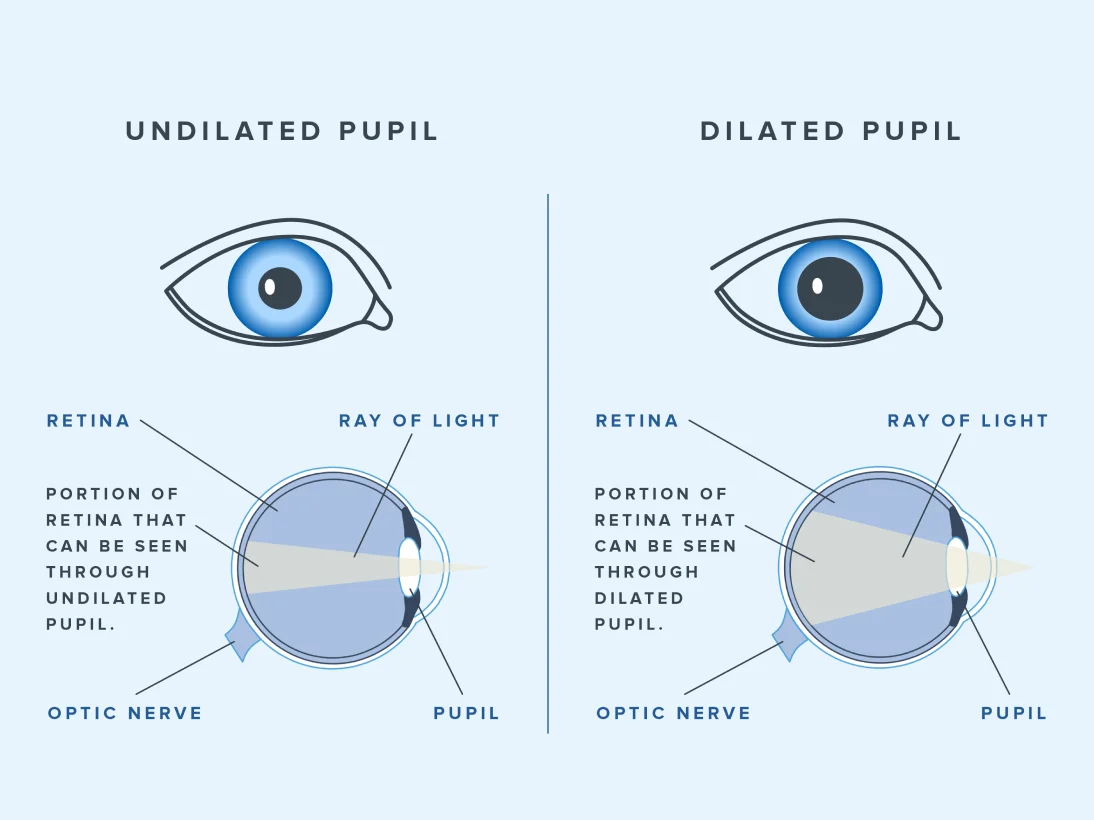
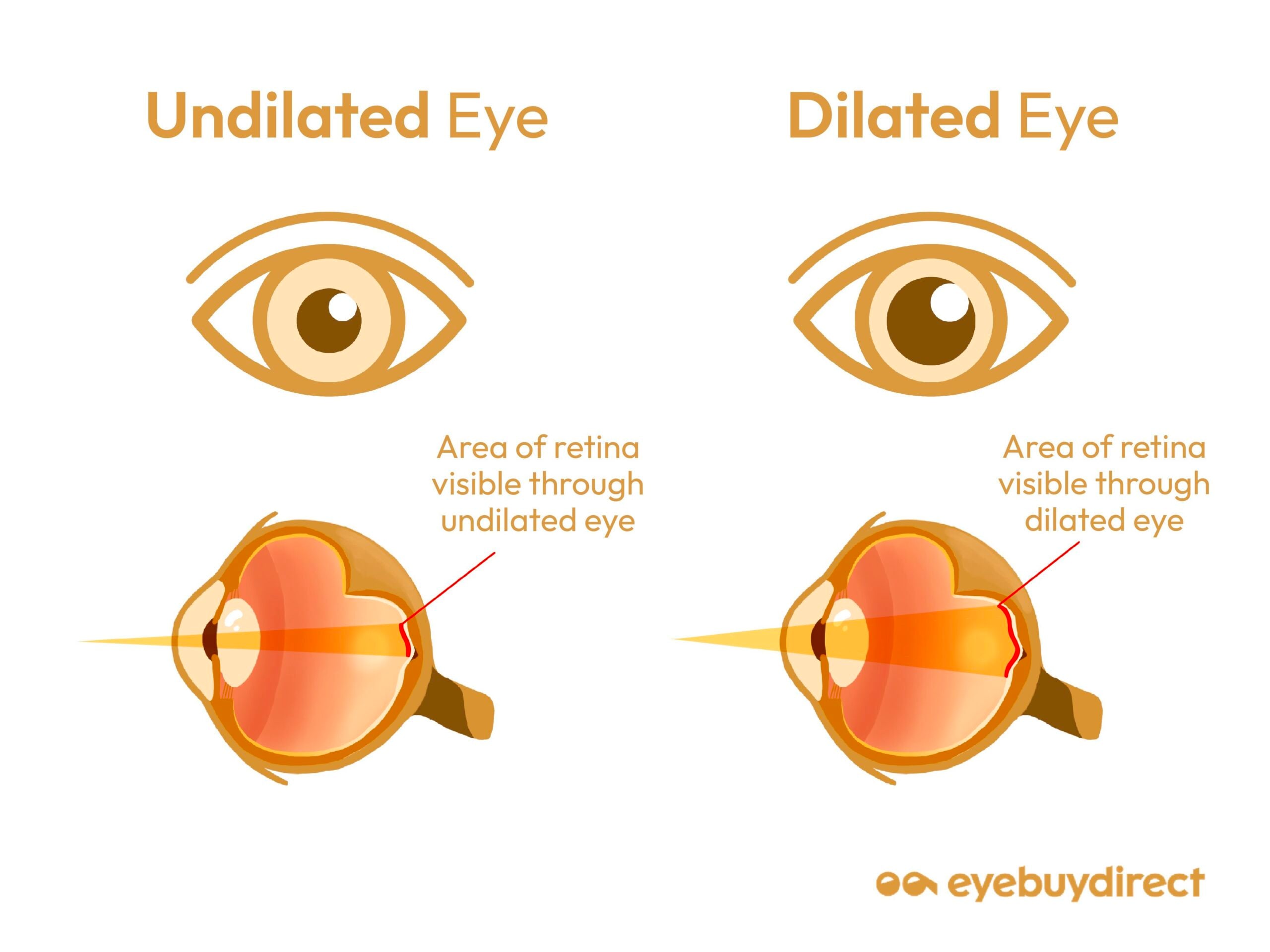
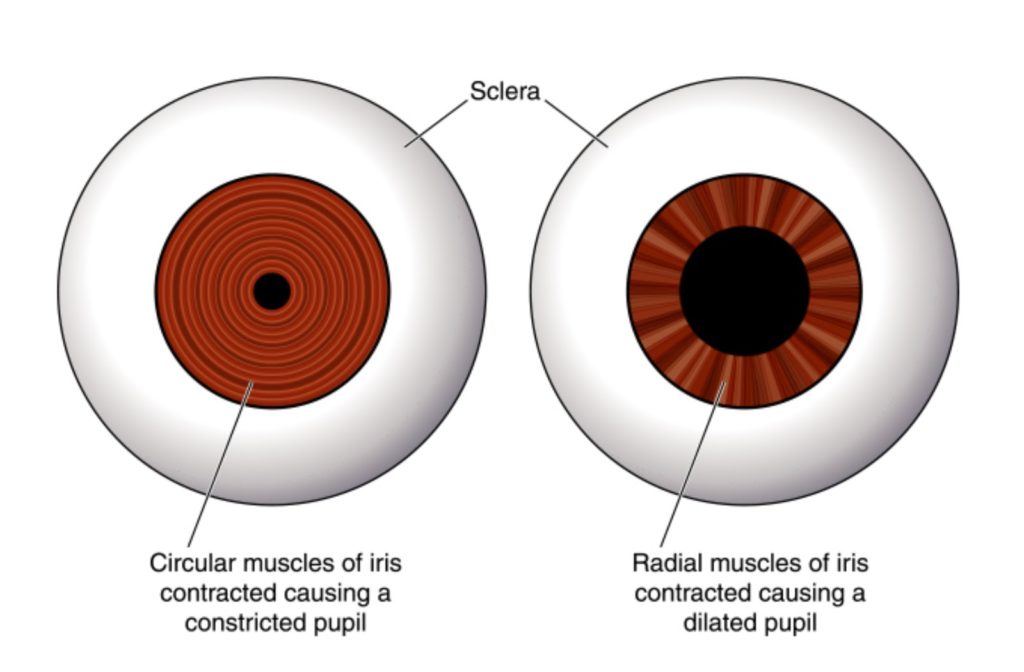
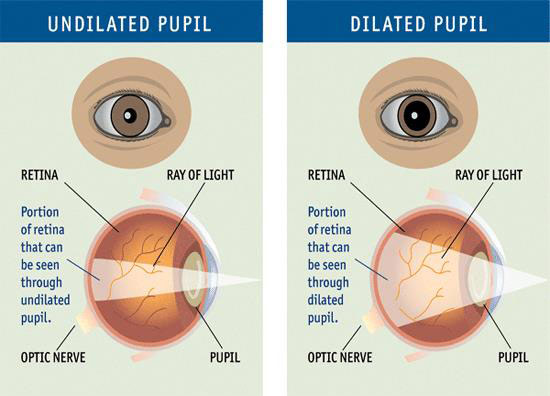
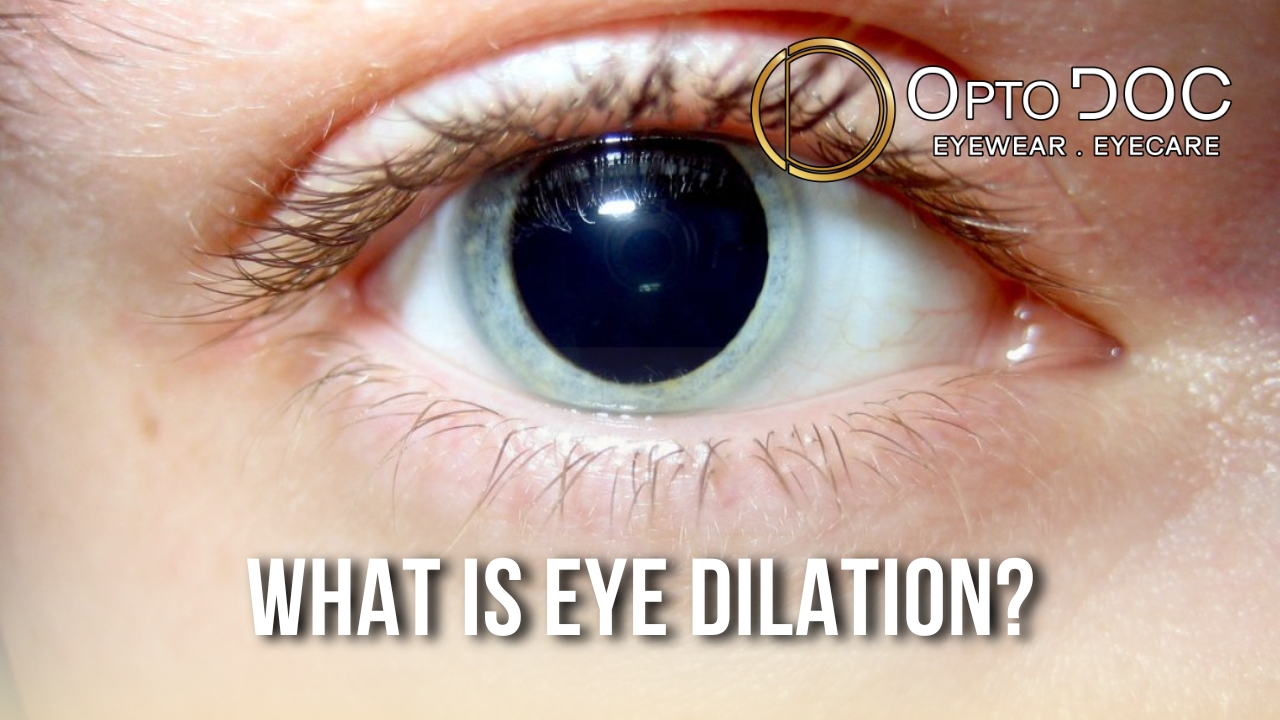
The process of eye dilation focuses on changing the size of your pupil. Think of your pupil like a tiny window leading into the interior of your eye. When the light is bright, the pupil constricts (gets small) to limit the amount of light entering. This natural response is actually a defensive mechanism.
When an eye doctor needs to examine the internal structures, a small, constricted pupil acts like looking through a keyhole—it severely limits the field of view. By dilating the eyes, we are essentially forcing that window wide open.
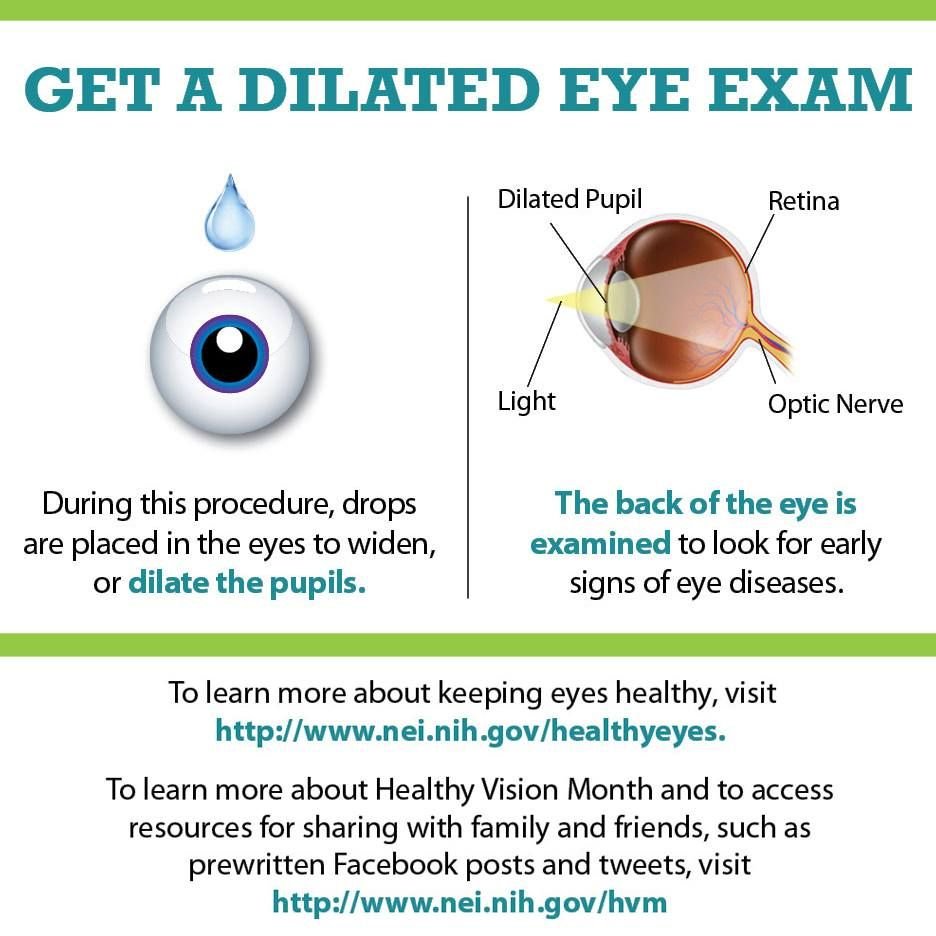
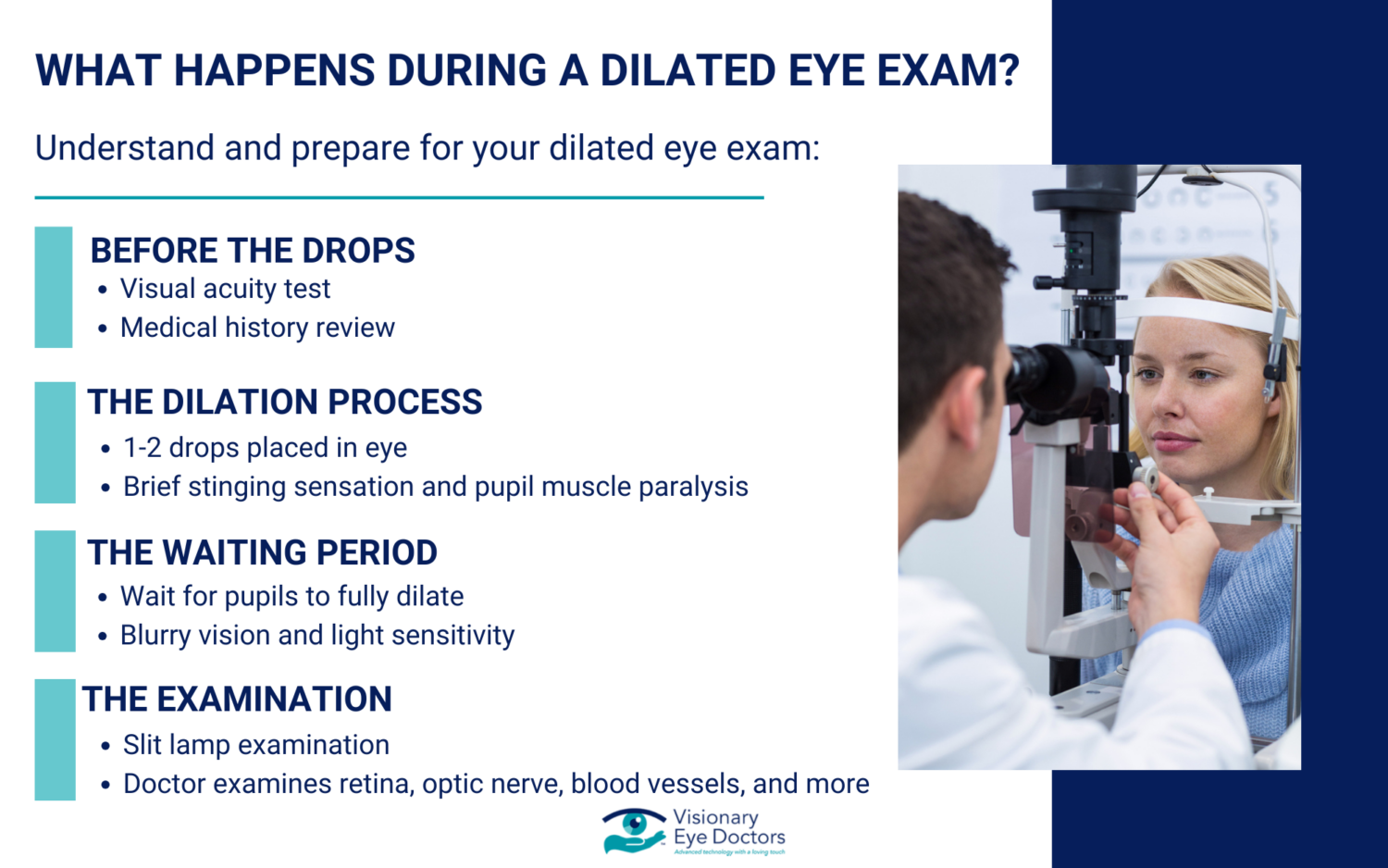
This procedure is painless, though the drops can cause a slight stinging sensation for a moment. Once the drops are applied, it takes about 20 to 30 minutes for the maximum dilation effect to occur, giving the doctor a clear, broad view of the retina, the optic nerve, and the surrounding blood vessels.
The Magic of Mydriatics (The Drops)
The special drops used to achieve dilation are called mydriatics. There are typically two types of medication used, depending on the patient's age, eye color, and specific needs.
- Short-Acting Mydriatics: These are often used for younger patients or those needing less intense dilation. They wear off quickly, minimizing inconvenience.
- Cycloplegic Agents: These drops not only dilate the pupil but also temporarily paralyze the ciliary muscle. This prevents the eye from accommodating or focusing, allowing the doctor to get a more accurate measurement of refractive errors, particularly in children.
Darker eyes (brown) sometimes require stronger drops or a second application because the extra pigment in the iris can absorb the medication, making dilation slightly slower compared to lighter eyes (blue or green).
The Main Reason: Getting the Best View Possible
Now we get to the core of why do eye doctors dilate your eyes. The ultimate goal is internal inspection. The back of your eye, known as the posterior segment, is rich with vital structures that provide direct insight not only into your visual health but also into your systemic health.
Without dilation, the doctor is severely limited in what they can see. They can only catch a fleeting glimpse of the central part of the retina. With dilation, they can scan the entire periphery, ensuring no subtle signs of disease are missed.
Checking the Retina and Optic Nerve
The retina is the light-sensitive tissue lining the back of the eye. It works much like the film in a camera, converting light into signals that the optic nerve sends to the brain. The optic nerve, meanwhile, is the main cable connecting the eye to the brain.
Dilating the eye is essential for thoroughly examining these critical areas. During the dilated exam, the doctor can identify a range of issues, including:
- Retinal Tears or Detachments: These emergencies often start in the periphery of the retina, which is only visible when the pupil is fully open.
- Macular Degeneration: This condition affects the central part of the retina (the macula) and is a leading cause of vision loss.
- Diabetic Retinopathy: Diabetes damages the small blood vessels in the retina. Dilation allows the doctor to check for vessel leakage, swelling, or new abnormal vessel growth.
Catching Silent Eye Diseases Early
Many serious eye conditions develop slowly and show no noticeable symptoms until significant, irreversible damage has occurred. This is why routine dilation is a fundamental element of preventative care. Early detection is often the key to successful treatment.
Glaucoma Screening
Glaucoma is often called the "silent thief of sight" because it typically presents without pain or early vision changes. It damages the optic nerve, often due to high pressure inside the eye.
By dilating the pupil, the doctor can carefully examine the shape and color of the optic nerve head. Changes in its appearance (like 'cupping') can be the earliest sign of glaucoma damage, allowing treatment to begin before peripheral vision loss occurs.
Systemic Health Indicators
Believe it or not, the eyes offer a clear view of your body's circulatory system. The blood vessels in the retina are some of the only ones in the body that can be viewed directly without invasive procedures.
During dilation, the doctor can spot signs of high blood pressure (hypertension), high cholesterol, and even certain neurological conditions, confirming that the importance of dilation extends far beyond just checking vision quality.
How Long Does the Dilation Last?
This is usually the most common question patients ask after the examination. The duration of dilation varies significantly depending on the type of drops used, your age, and your body's individual reaction.
For most adults, the effects of dilation typically last between four to six hours. For some individuals, especially those with very light eyes, the effects might linger for up to 24 hours. Children, whose eyes naturally respond more vigorously, may experience effects lasting a full day.
During this period, you should expect increased sensitivity to light (photophobia) and difficulty focusing on near objects, such as reading a phone or a book. Driving immediately after a dilated exam is strongly discouraged for safety reasons.
Tips for Managing Post-Dilation Sensitivity
A little preparation goes a long way when dealing with dilated pupils. Here are a few practical tips to make your day easier after the drops:
- Bring Sunglasses: This is non-negotiable! Regular sunglasses might not be enough. If you don't have super dark ones, ask the clinic; they usually provide temporary disposable sunglasses.
- Arrange Transportation: Since your distance judgment can be impaired, plan to have a friend or family member drive you home, or use public transport or a ride-share service.
- Listen to Audiobooks: Since reading small print will be nearly impossible, plan activities that don't require close focus, like listening to a podcast or music.
- Stay Hydrated: Although this won't reverse the dilation, staying generally healthy helps your body process the drops efficiently.
Conclusion
Understanding Why Do Eye Doctors Dilate Your Eyes ultimately comes down to preventative medicine. While the temporary blurriness is inconvenient, the insight provided by a dilated exam is priceless. It offers your doctor a crucial, unobstructed view of the retina and optic nerve, enabling the early detection and management of sight-threatening diseases like glaucoma, diabetic retinopathy, and macular degeneration.
Remember that your annual comprehensive eye exam, including dilation, is one of the best investments you can make in your long-term health. Don't skip the drops—they might just save your sight!
Frequently Asked Questions (FAQ) About Eye Dilation
- Is eye dilation painful?
- No, the procedure itself is not painful. You might feel a slight stinging sensation for a few seconds when the drops are initially placed in the eye, and your eyes will become light-sensitive afterward. However, the examination process following dilation is entirely painless.
- Is it safe to drive after eye dilation?
- It is strongly recommended that you do not drive immediately after eye dilation. Dilation temporarily impairs your near focus and makes your eyes very sensitive to light, which can be dangerous, especially when navigating traffic or bright sunlight. Always arrange for alternative transportation.
- How often should I have my eyes dilated?
- For most healthy adults, dilation is recommended as part of a comprehensive eye exam every one to two years. However, if you have specific risk factors (like diabetes, high blood pressure, or a family history of glaucoma), your doctor may recommend annual dilation or more frequent checks.
- Can I refuse eye dilation?
- Yes, you always have the right to refuse any medical procedure. However, your eye doctor will likely advise against refusal, as it limits their ability to accurately diagnose serious conditions that affect the back of the eye. Refusing dilation means receiving an incomplete eye health assessment.
Why Do Eye Doctors Dilate Your Eyes
Why Do Eye Doctors Dilate Your Eyes Wallpapers
Collection of why do eye doctors dilate your eyes wallpapers for your desktop and mobile devices.
Detailed Why Do Eye Doctors Dilate Your Eyes Moment in 4K
Experience the crisp clarity of this stunning why do eye doctors dilate your eyes image, available in high resolution for all your screens.
Beautiful Why Do Eye Doctors Dilate Your Eyes Background Photography
Discover an amazing why do eye doctors dilate your eyes background image, ideal for personalizing your devices with vibrant colors and intricate designs.
High-Quality Why Do Eye Doctors Dilate Your Eyes Background Illustration
Explore this high-quality why do eye doctors dilate your eyes image, perfect for enhancing your desktop or mobile wallpaper.

Beautiful Why Do Eye Doctors Dilate Your Eyes Image Art
Experience the crisp clarity of this stunning why do eye doctors dilate your eyes image, available in high resolution for all your screens.
Gorgeous Why Do Eye Doctors Dilate Your Eyes Landscape Art
Find inspiration with this unique why do eye doctors dilate your eyes illustration, crafted to provide a fresh look for your background.

Artistic Why Do Eye Doctors Dilate Your Eyes Artwork Photography
Immerse yourself in the stunning details of this beautiful why do eye doctors dilate your eyes wallpaper, designed for a captivating visual experience.

Serene Why Do Eye Doctors Dilate Your Eyes Scene in HD
Discover an amazing why do eye doctors dilate your eyes background image, ideal for personalizing your devices with vibrant colors and intricate designs.

Captivating Why Do Eye Doctors Dilate Your Eyes Design for Mobile
A captivating why do eye doctors dilate your eyes scene that brings tranquility and beauty to any device.

Spectacular Why Do Eye Doctors Dilate Your Eyes Abstract Concept
This gorgeous why do eye doctors dilate your eyes photo offers a breathtaking view, making it a perfect choice for your next wallpaper.
Captivating Why Do Eye Doctors Dilate Your Eyes Image in 4K
Immerse yourself in the stunning details of this beautiful why do eye doctors dilate your eyes wallpaper, designed for a captivating visual experience.

Gorgeous Why Do Eye Doctors Dilate Your Eyes Background Collection
Immerse yourself in the stunning details of this beautiful why do eye doctors dilate your eyes wallpaper, designed for a captivating visual experience.

High-Quality Why Do Eye Doctors Dilate Your Eyes Scene Concept
Transform your screen with this vivid why do eye doctors dilate your eyes artwork, a true masterpiece of digital design.
Crisp Why Do Eye Doctors Dilate Your Eyes Design for Desktop
Immerse yourself in the stunning details of this beautiful why do eye doctors dilate your eyes wallpaper, designed for a captivating visual experience.

Crisp Why Do Eye Doctors Dilate Your Eyes Abstract Photography
Immerse yourself in the stunning details of this beautiful why do eye doctors dilate your eyes wallpaper, designed for a captivating visual experience.

Dynamic Why Do Eye Doctors Dilate Your Eyes Photo Illustration
Find inspiration with this unique why do eye doctors dilate your eyes illustration, crafted to provide a fresh look for your background.

Detailed Why Do Eye Doctors Dilate Your Eyes Landscape Art
Explore this high-quality why do eye doctors dilate your eyes image, perfect for enhancing your desktop or mobile wallpaper.

Crisp Why Do Eye Doctors Dilate Your Eyes Design in 4K
A captivating why do eye doctors dilate your eyes scene that brings tranquility and beauty to any device.
High-Quality Why Do Eye Doctors Dilate Your Eyes Abstract Illustration
Explore this high-quality why do eye doctors dilate your eyes image, perfect for enhancing your desktop or mobile wallpaper.

Breathtaking Why Do Eye Doctors Dilate Your Eyes Scene Art
Experience the crisp clarity of this stunning why do eye doctors dilate your eyes image, available in high resolution for all your screens.
Breathtaking Why Do Eye Doctors Dilate Your Eyes Image Art
Experience the crisp clarity of this stunning why do eye doctors dilate your eyes image, available in high resolution for all your screens.
Download these why do eye doctors dilate your eyes wallpapers for free and use them on your desktop or mobile devices.
0 Response to "Why Do Eye Doctors Dilate Your Eyes"
Post a Comment