Keratoconus Eye Disease Treatment
Keratoconus Eye Disease Treatment: Your Ultimate Guide to Clearer Vision
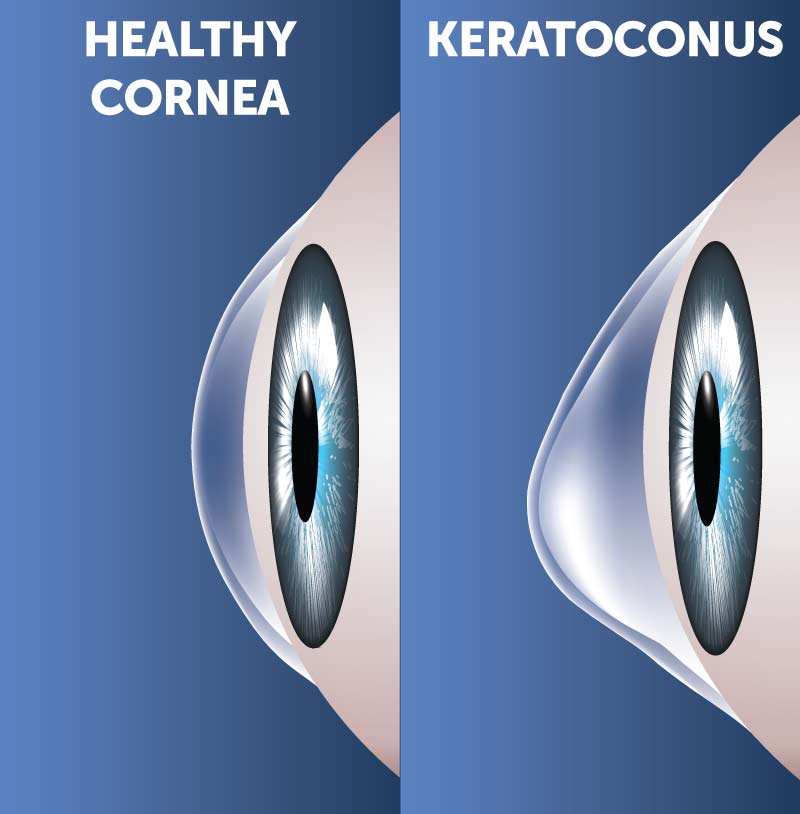
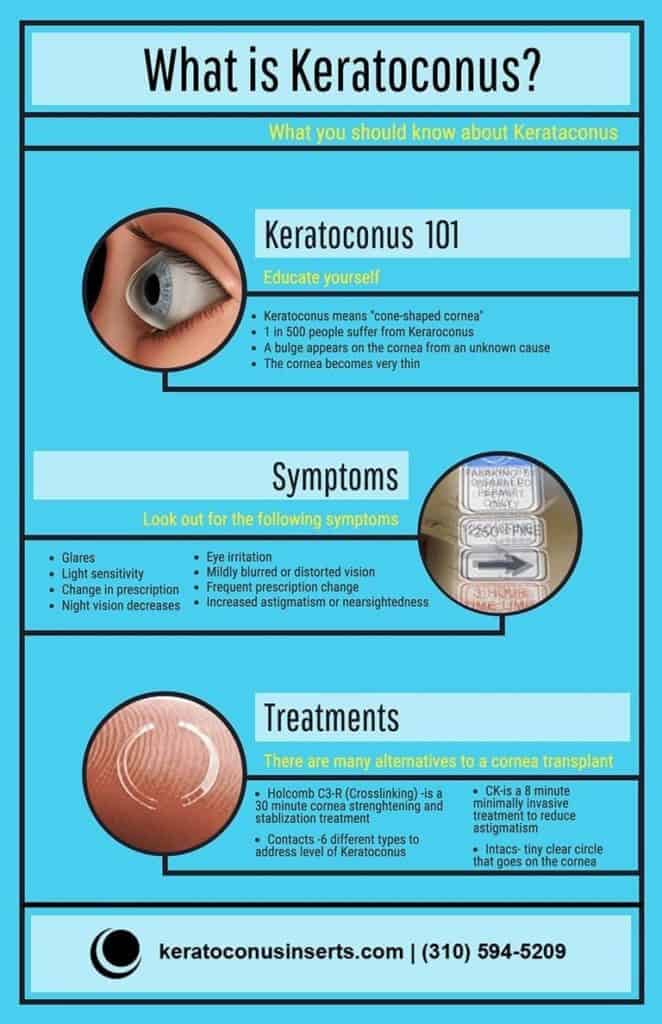
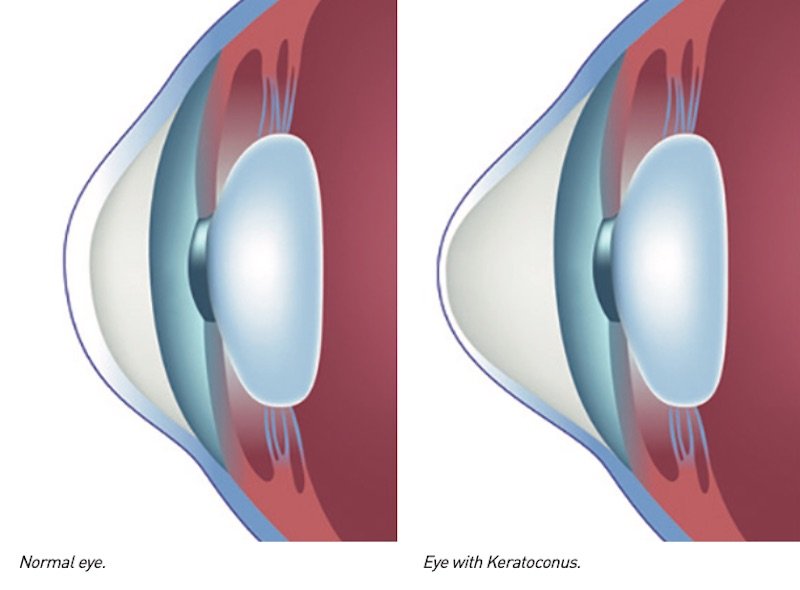
If you or someone you love has recently been diagnosed with Keratoconus, it's completely natural to feel anxious and overwhelmed. This progressive eye condition, which causes the cornea—the clear, dome-shaped front surface of your eye—to thin and bulge into a cone shape, can severely distort vision.
But here is the good news: advances in ophthalmology mean that the options for Keratoconus Eye Disease Treatment are more effective and accessible than ever before. You don't have to navigate this path alone. We are here to walk you through the diagnosis, the management strategies, and the cutting-edge surgical options available today.
Our goal is to give you a clear, easy-to-understand breakdown of every possible intervention, ensuring you can have an informed discussion with your eye care professional about the best path forward for your unique vision needs.
Understanding Keratoconus: Early Detection and Non-Surgical Treatment Options
Keratoconus usually begins to develop during puberty or the late teens and progresses slowly. Early detection is key, as managing the condition in its initial stages often involves simple non-surgical methods designed to correct vision and slow progression.
If your doctor suspects Keratoconus, they will likely use a procedure called corneal topography. This mapping technique creates a detailed, three-dimensional map of your cornea's surface curvature. This allows them to monitor even subtle changes over time.
Soft and Specialty Contact Lenses for Keratoconus
In the very early stages, standard eyeglasses or soft contact lenses might still provide adequate vision correction. However, as the corneal shape becomes more irregular, standard lenses can no longer effectively correct the complex astigmatism.
This is when specialty contact lenses become an essential part of the Keratoconus Eye Disease Treatment plan. These lenses work by creating a smooth, artificial refractive surface over the irregular cornea, dramatically improving visual acuity.
The main types of specialty lenses used include:
- Rigid Gas Permeable (RGP) Lenses: These smaller, hard lenses sit directly on the cornea, providing the clearest vision correction.
- Hybrid Lenses: These combine a hard center (for crisp vision) with a soft outer skirt (for comfort).
- Scleral Lenses: These large-diameter lenses vault entirely over the irregular cornea and rest on the white part of the eye (the sclera). They are often the most comfortable option, especially for advanced or sensitive cases, and they hold a reservoir of fluid to keep the eye hydrated.
Cross-Linking (CXL): Stopping Keratoconus Progression
While specialty lenses help you see better, they don't stop the underlying disease from progressing. That's where Corneal Collagen Cross-Linking (CXL) comes in—and it's a revolutionary development in Keratoconus treatment.
CXL is a minimally invasive procedure designed to strengthen the corneal tissue. It involves applying Riboflavin (Vitamin B2) drops to the eye and then exposing the eye to controlled ultraviolet (UV) light.
This process encourages the formation of new collagen bonds within the cornea, essentially making the tissue stiffer and stronger. The primary goal of CXL is to halt the thinning and bulging, preventing the condition from getting worse and preserving the vision you currently have.
Advanced Surgical Solutions for Severe Keratoconus Eye Disease Treatment
Sometimes, despite early detection and CXL, Keratoconus can continue to progress, or the cornea may already be too severely distorted to be corrected solely by contact lenses. If your vision quality has deteriorated significantly, your doctor may recommend a surgical intervention.
These surgical procedures aim to reshape the cornea or replace it entirely. They represent the next level of effective Keratoconus Eye Disease Treatment.
Intacs Implants: Reshaping the Cornea
Intacs, or Intracorneal Ring Segments, are small, clear, arc-shaped inserts surgically placed within the mid-layer of the cornea. They are designed to flatten the steep part of the cone, thereby reducing corneal irregularity.
The insertion of Intacs helps restore the cornea to a more natural, symmetrical shape. While they don't cure the condition, they often improve the patient's best-corrected vision and can delay or eliminate the need for a corneal transplant.
Intacs can also be performed in conjunction with CXL for a powerful combination treatment, especially in moderate cases.
When is a Cornea Transplant Necessary? (The Final Step)
A corneal transplant (keratoplasty) is usually reserved for the most advanced cases of Keratoconus. If scarring is severe, vision cannot be corrected even with the most specialized contact lenses, or the cone has become dangerously thin, a transplant might be the only viable option for restoring functional vision.
If you reach this stage, it means the cornea needs to be replaced with healthy tissue from a donor. This is a highly successful surgery that can drastically change a patient's quality of life.
A corneal transplant is typically needed if:
- There is significant central corneal scarring.
- Vision remains poor even with specialized contact lenses (like scleral lenses).
- The cornea has experienced acute hydrops (sudden swelling).
- All other treatment methods, including CXL and Intacs, have failed to stabilize vision.
Types of Keratoconus Corneal Transplant
There are two primary types of corneal transplantation used for Keratoconus, depending on which layers of the cornea are affected:
Penetrating Keratoplasty (PKP): This is the traditional method, involving replacing the full thickness of the central cornea with donor tissue. While effective, it requires a longer recovery time and carries a slightly higher risk of rejection.
Deep Anterior Lamellar Keratoplasty (DALK): This procedure is preferred today whenever possible. DALK involves removing and replacing only the outer and middle layers of the cornea, leaving the patient's own innermost layer (endothelium) intact.
By keeping the patient's endothelium, the risk of graft rejection is significantly reduced, and the visual recovery tends to be faster. Your surgeon will determine the best transplant technique based on the specifics of your corneal health.
Conclusion: Taking Control of Your Keratoconus Journey
Navigating the complexity of Keratoconus can feel intimidating, but remember that the field of ophthalmology offers powerful solutions at every stage of the disease. From effective non-surgical contact lens solutions that restore sharp vision to the progression-stopping power of Cross-Linking (CXL), there are steps to take.
If your condition requires more intensive care, advanced procedures like Intacs and corneal transplantation offer high success rates in restoring sight.
The key to successful Keratoconus Eye Disease Treatment is working closely with a cornea specialist. By maintaining regular appointments and exploring all available technologies, you can ensure the best possible outcome for your vision health and keep enjoying clear sight for years to come.
Frequently Asked Questions (FAQ) about Keratoconus Treatment
- What is the first-line treatment for Keratoconus?
- The first step is usually vision correction using specialty contact lenses (like RGP or Scleral lenses). If the disease shows signs of progression, Corneal Cross-Linking (CXL) is introduced immediately to stop the thinning and bulging process.
- Is Keratoconus Cross-Linking (CXL) a permanent cure?
- CXL is not a cure, but it is highly effective in stabilizing the condition. It stops the progression in over 90% of patients. While it doesn't usually reverse existing damage, it prevents further vision loss caused by the continued progression of the disease.
- How long is the recovery after a corneal transplant for Keratoconus?
- Recovery time varies depending on the type of transplant. For DALK (partial thickness), visual recovery can be several months. For PKP (full thickness), the visual healing process, including suture removal and final vision stabilization, can take up to a year or more. However, functional vision often returns much sooner.
- Can Keratoconus return after a transplant?
- Keratoconus affects the patient's original tissue. Since a donor cornea is used, the disease cannot technically return in the new tissue. However, issues like graft rejection or significant astigmatism post-surgery can still occur, requiring ongoing management.
Keratoconus Eye Disease Treatment
Keratoconus Eye Disease Treatment Wallpapers
Collection of keratoconus eye disease treatment wallpapers for your desktop and mobile devices.

Beautiful Keratoconus Eye Disease Treatment Picture Digital Art
Discover an amazing keratoconus eye disease treatment background image, ideal for personalizing your devices with vibrant colors and intricate designs.
Detailed Keratoconus Eye Disease Treatment Wallpaper for Desktop
Explore this high-quality keratoconus eye disease treatment image, perfect for enhancing your desktop or mobile wallpaper.
Lush Keratoconus Eye Disease Treatment Image Concept
This gorgeous keratoconus eye disease treatment photo offers a breathtaking view, making it a perfect choice for your next wallpaper.

Gorgeous Keratoconus Eye Disease Treatment View Collection
Immerse yourself in the stunning details of this beautiful keratoconus eye disease treatment wallpaper, designed for a captivating visual experience.

Artistic Keratoconus Eye Disease Treatment Capture Nature
Find inspiration with this unique keratoconus eye disease treatment illustration, crafted to provide a fresh look for your background.

Amazing Keratoconus Eye Disease Treatment Photo in HD
Explore this high-quality keratoconus eye disease treatment image, perfect for enhancing your desktop or mobile wallpaper.

Serene Keratoconus Eye Disease Treatment Design Nature
Transform your screen with this vivid keratoconus eye disease treatment artwork, a true masterpiece of digital design.

Mesmerizing Keratoconus Eye Disease Treatment Design Photography
Explore this high-quality keratoconus eye disease treatment image, perfect for enhancing your desktop or mobile wallpaper.

Captivating Keratoconus Eye Disease Treatment Scene for Desktop
This gorgeous keratoconus eye disease treatment photo offers a breathtaking view, making it a perfect choice for your next wallpaper.

Exquisite Keratoconus Eye Disease Treatment View for Your Screen
A captivating keratoconus eye disease treatment scene that brings tranquility and beauty to any device.

Vivid Keratoconus Eye Disease Treatment Image Concept
Discover an amazing keratoconus eye disease treatment background image, ideal for personalizing your devices with vibrant colors and intricate designs.

Artistic Keratoconus Eye Disease Treatment View for Desktop
A captivating keratoconus eye disease treatment scene that brings tranquility and beauty to any device.

Beautiful Keratoconus Eye Disease Treatment Abstract Art
Explore this high-quality keratoconus eye disease treatment image, perfect for enhancing your desktop or mobile wallpaper.

Mesmerizing Keratoconus Eye Disease Treatment Moment for Desktop
Experience the crisp clarity of this stunning keratoconus eye disease treatment image, available in high resolution for all your screens.

Exquisite Keratoconus Eye Disease Treatment Capture for Mobile
Find inspiration with this unique keratoconus eye disease treatment illustration, crafted to provide a fresh look for your background.
Detailed Keratoconus Eye Disease Treatment View for Mobile
Experience the crisp clarity of this stunning keratoconus eye disease treatment image, available in high resolution for all your screens.
Artistic Keratoconus Eye Disease Treatment Landscape for Mobile
A captivating keratoconus eye disease treatment scene that brings tranquility and beauty to any device.

Exquisite Keratoconus Eye Disease Treatment Landscape Photography
A captivating keratoconus eye disease treatment scene that brings tranquility and beauty to any device.

High-Quality Keratoconus Eye Disease Treatment Capture Illustration
Discover an amazing keratoconus eye disease treatment background image, ideal for personalizing your devices with vibrant colors and intricate designs.

Lush Keratoconus Eye Disease Treatment Background for Desktop
Find inspiration with this unique keratoconus eye disease treatment illustration, crafted to provide a fresh look for your background.
Download these keratoconus eye disease treatment wallpapers for free and use them on your desktop or mobile devices.
0 Response to "Keratoconus Eye Disease Treatment"
Post a Comment