How Eye Laser Surgery Works
How Eye Laser Surgery Works: Your Guide to Clear Vision
Tired of fumbling for your glasses the second your alarm goes off? Have you ever worried about losing a contact lens right before an important meeting? If you dream of seeing the world clearly without assistance, you've probably wondered about eye laser surgery. It sounds futuristic, but the technology is incredibly refined and reliable.
Understanding the science behind vision correction can feel complicated, but we're here to break it down simply. This guide will walk you through exactly how eye laser surgery works, the different procedures available, and what you can expect during the process.
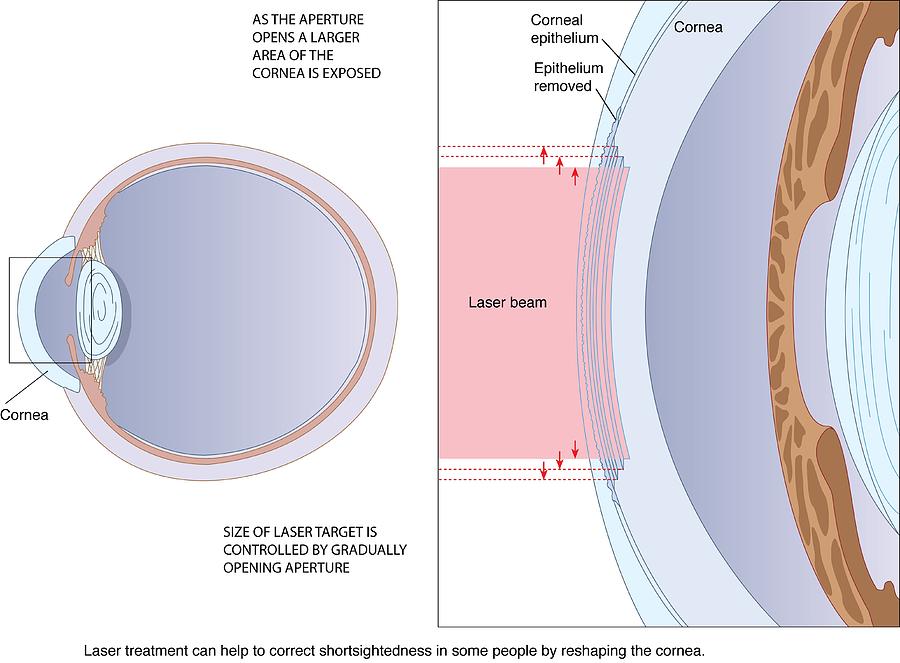
The essence of the procedure relies on reshaping the cornea—the clear, dome-shaped front surface of your eye—to allow light to focus perfectly onto the retina. It's a remarkable feat of physics and engineering, designed to correct the common issues that cause blurry vision.
Understanding the Core Problem: Refractive Errors
Before diving into how the laser fixes your vision, it helps to know why your vision is blurry in the first place. When you have perfect vision, the cornea and the lens bend (refract) light rays precisely onto the retina at the back of the eye. Refractive errors occur when this alignment is off, causing the focal point to land either in front of or behind the retina.
These errors are incredibly common and are the reason millions of people wear glasses or contacts. Laser surgery is specifically designed to correct these common focusing issues permanently.
What Happens When Your Eye Can't Focus?
There are three main types of refractive errors targeted by procedures explaining how eye laser surgery works:
- Myopia (Nearsightedness): This is when the light focuses in front of the retina. This usually happens because the eyeball is too long or the cornea is too steeply curved. Distant objects look blurry, but close objects are clear.
- Hyperopia (Farsightedness): Here, the light focuses behind the retina. This typically occurs because the eyeball is too short or the cornea is too flat. Close objects are usually blurrier than distant ones, though sometimes both can be blurry.
- Astigmatism: This is caused by an irregularly shaped cornea, which is shaped more like a football than a perfect sphere. This distortion causes light to scatter, leading to blurred or distorted vision at any distance.
The goal of laser eye surgery is to subtly reshape the cornea so that the light passing through it lands exactly where it should: directly on the retina.
The Magic Ingredient: The Excimer Laser
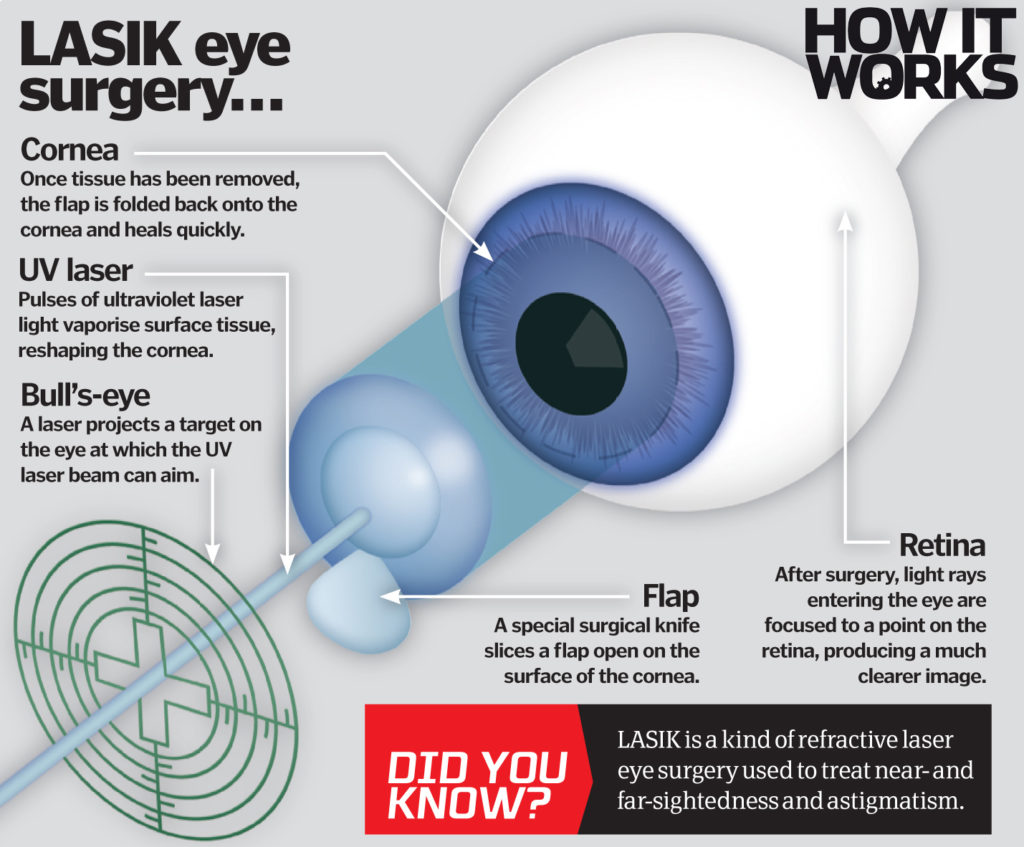
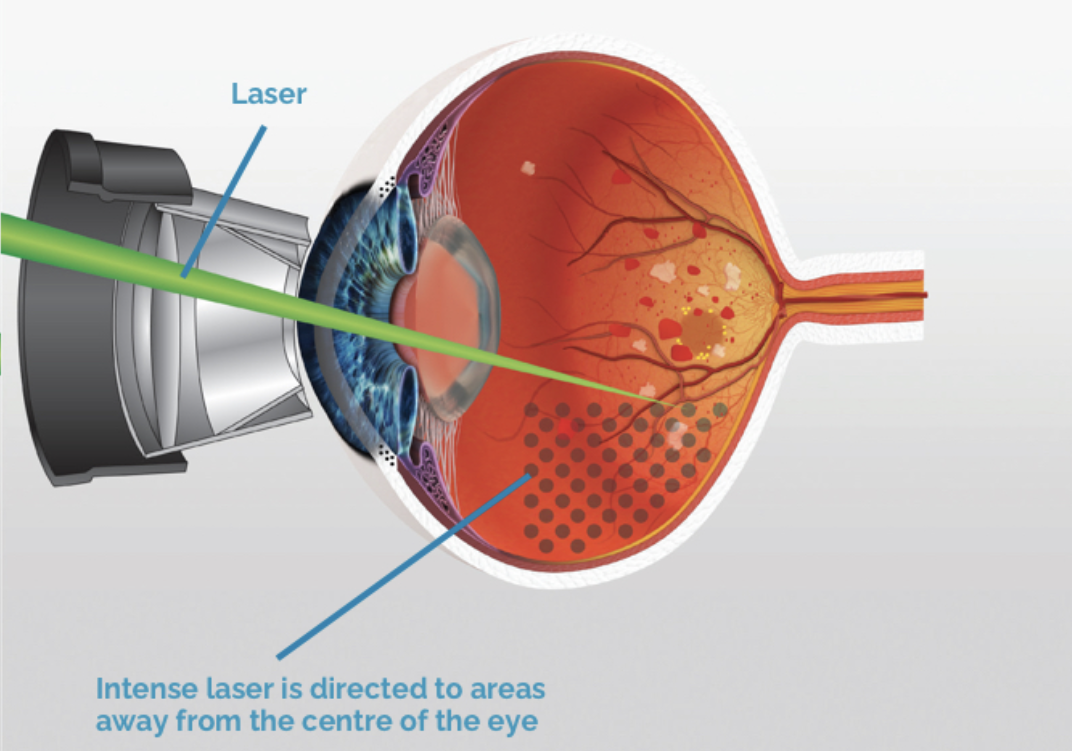
When discussing how eye laser surgery works, the star of the show is the Excimer laser. This specialized, computer-controlled medical device is what actually performs the reshaping. It emits cool ultraviolet light energy, meaning it removes tissue without creating heat damage to the surrounding cells.
The Excimer laser uses a process called photoablation. Essentially, it vaporizes microscopic amounts of tissue from the corneal surface, layer by tiny layer. This removal process is calculated down to the micrometer level, ensuring ultimate precision based on the unique map of your eye.
Precision Through Technology
Modern laser procedures use sophisticated tracking systems. These trackers constantly monitor your eye movements during the brief treatment period. If your eye shifts even slightly, the laser adjusts instantly or pauses the treatment until the eye is back in the correct position. This ensures that the laser energy is applied exactly where it needs to be for the perfect correction.
The actual planning for this part of the surgery often involves Wavefront technology. This creates a highly detailed, 3D map of your eye's unique imperfections, allowing the surgeon to create a custom treatment profile far more complex and accurate than standard prescription measurements.
Deep Dive into Popular Procedures
While the goal of reshaping the cornea remains the same, the method used to access the cornea determines the type of surgery. LASIK and PRK are the two most common methods that demonstrate how eye laser surgery works.
LASIK: The Gold Standard
LASIK (Laser-Assisted In Situ Keratomileusis) is perhaps the most well-known procedure. It is favored because it offers quick recovery times and minimal discomfort, making it a highly attractive option for busy individuals. The key feature of LASIK is the creation of a thin flap in the cornea.
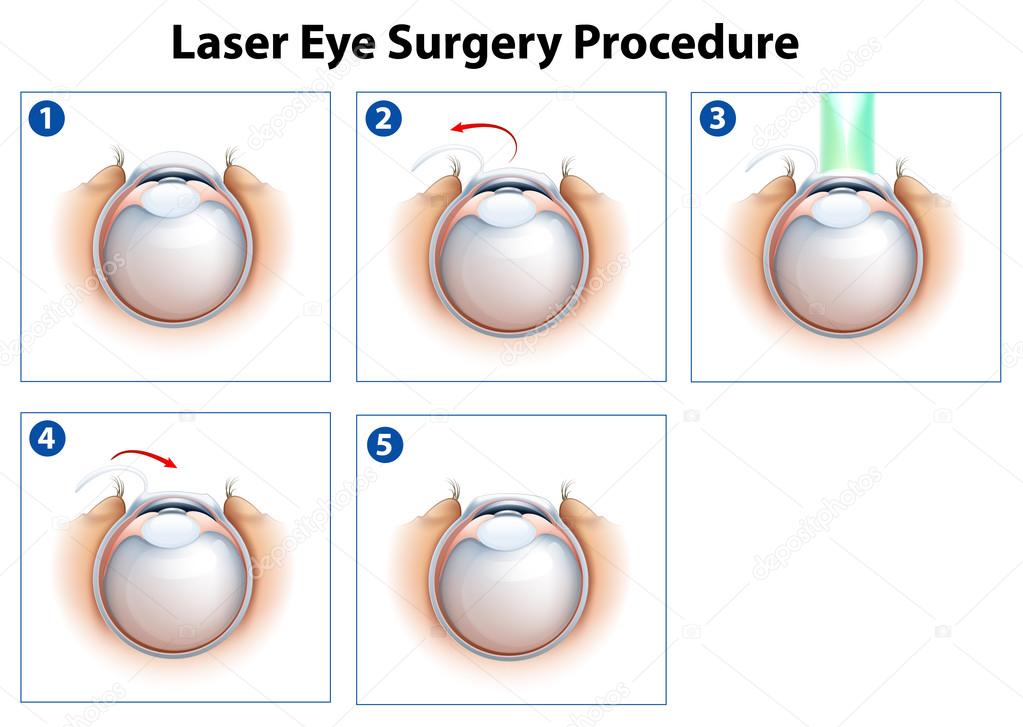
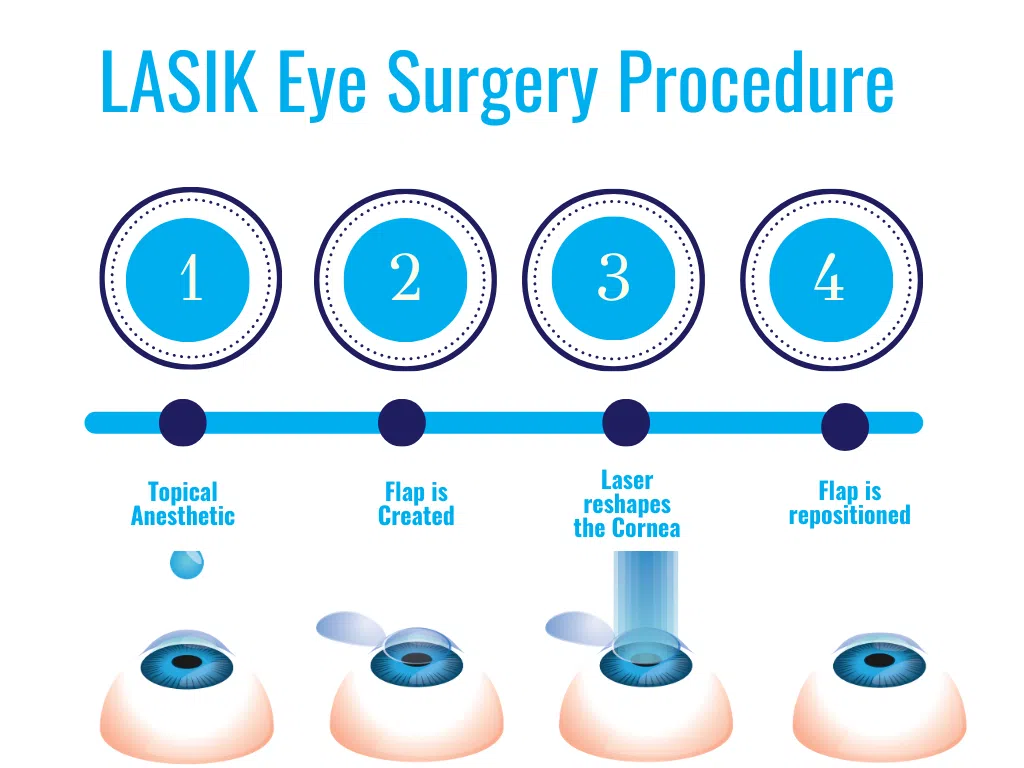
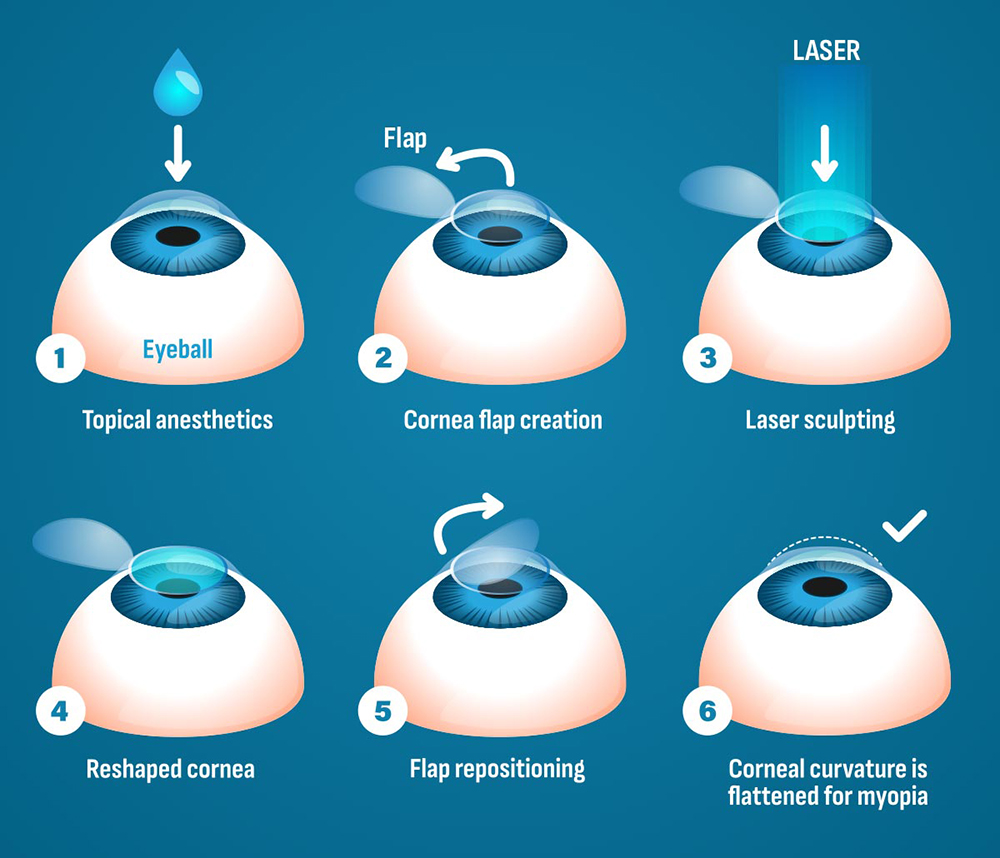
Here is the step-by-step process of how LASIK surgery works:
- Flap Creation: The surgeon uses either a microkeratome blade or, more commonly today, a femtosecond laser (often called 'all-laser LASIK') to create a precise, hinged flap on the outermost layer of the cornea.
- Lifting the Flap: This flap is gently lifted and folded back, exposing the underlying stromal tissue of the cornea.
- Laser Ablation: The Excimer laser is applied to the exposed stroma. Based on the measurements taken before surgery, the laser precisely removes tissue to correct the refractive error. This usually takes less than a minute.
- Repositioning the Flap: The corneal flap is carefully repositioned back over the treated area. It adheres naturally without the need for stitches, acting as a natural bandage.
Because the treatment happens under the flap, the healing process is accelerated, leading to significantly improved vision within 24 to 48 hours for most patients.
PRK/LASEK: When Flaps Aren't an Option
Photorefractive Keratectomy (PRK) and its variation, LASEK, were the original forms of laser correction and are still widely used, especially for patients who are not ideal LASIK candidates. These procedures don't involve creating a corneal flap.
Instead of creating a flap, the surgeon gently removes the very thin outer layer of the cornea, called the epithelium. Once this layer is removed, the Excimer laser is applied directly to the corneal surface to reshape the stroma. A protective, temporary contact lens is then placed over the eye to help the epithelium regenerate over the next few days.
The key difference is the recovery time. While the results are identical to LASIK long-term, PRK involves more initial discomfort and a longer recovery period (usually 3 to 7 days) while the protective layer of cells regrows.
Choosing Between LASIK and PRK
The choice between these procedures often comes down to corneal thickness and lifestyle. LASIK is generally preferred due to its rapid recovery. However, PRK is the better choice for people with thinner corneas, very active lifestyles, or specific occupations (like contact sports athletes or military personnel) where a corneal flap might pose a risk.
Ultimately, a comprehensive consultation with your eye doctor will determine which procedure is the safest and most effective way for you to understand how eye laser surgery works to achieve your vision goals.
The Procedure Itself: What to Expect
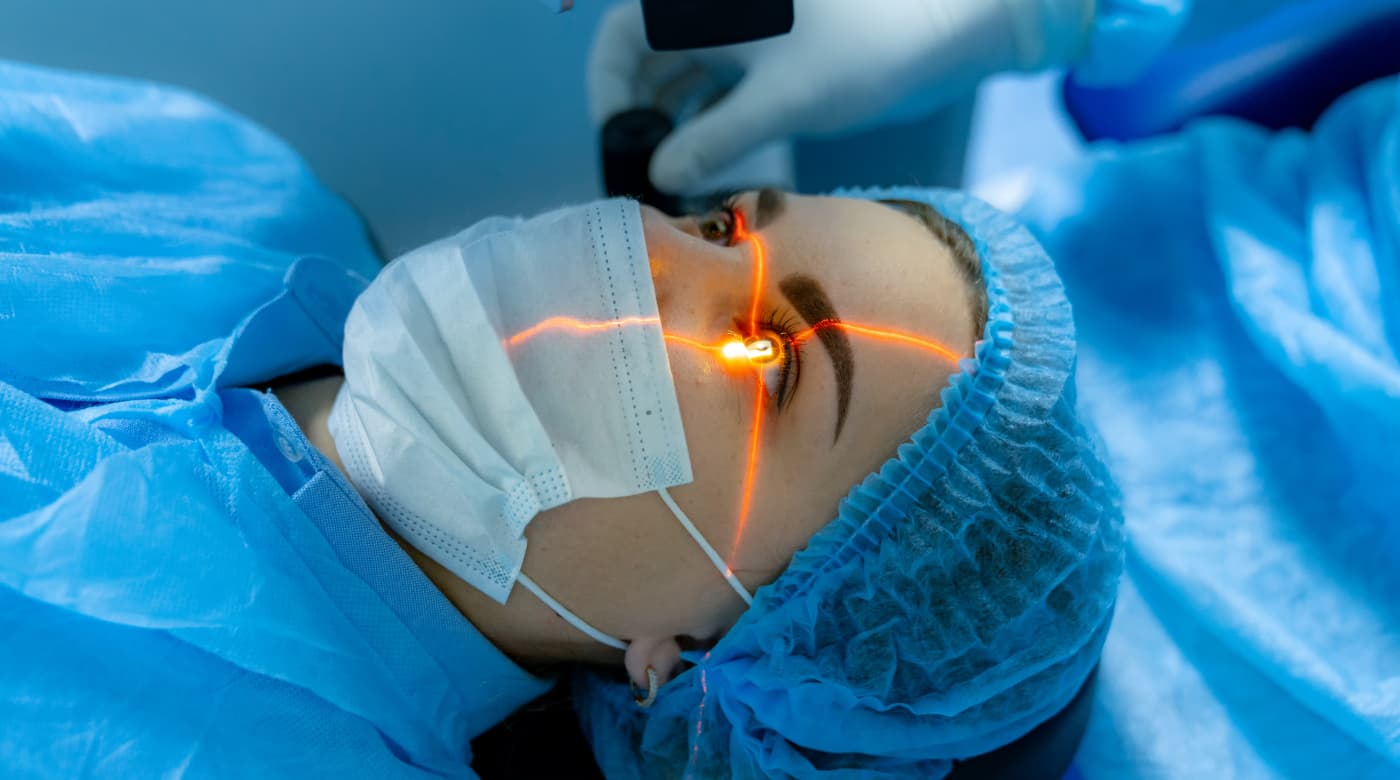
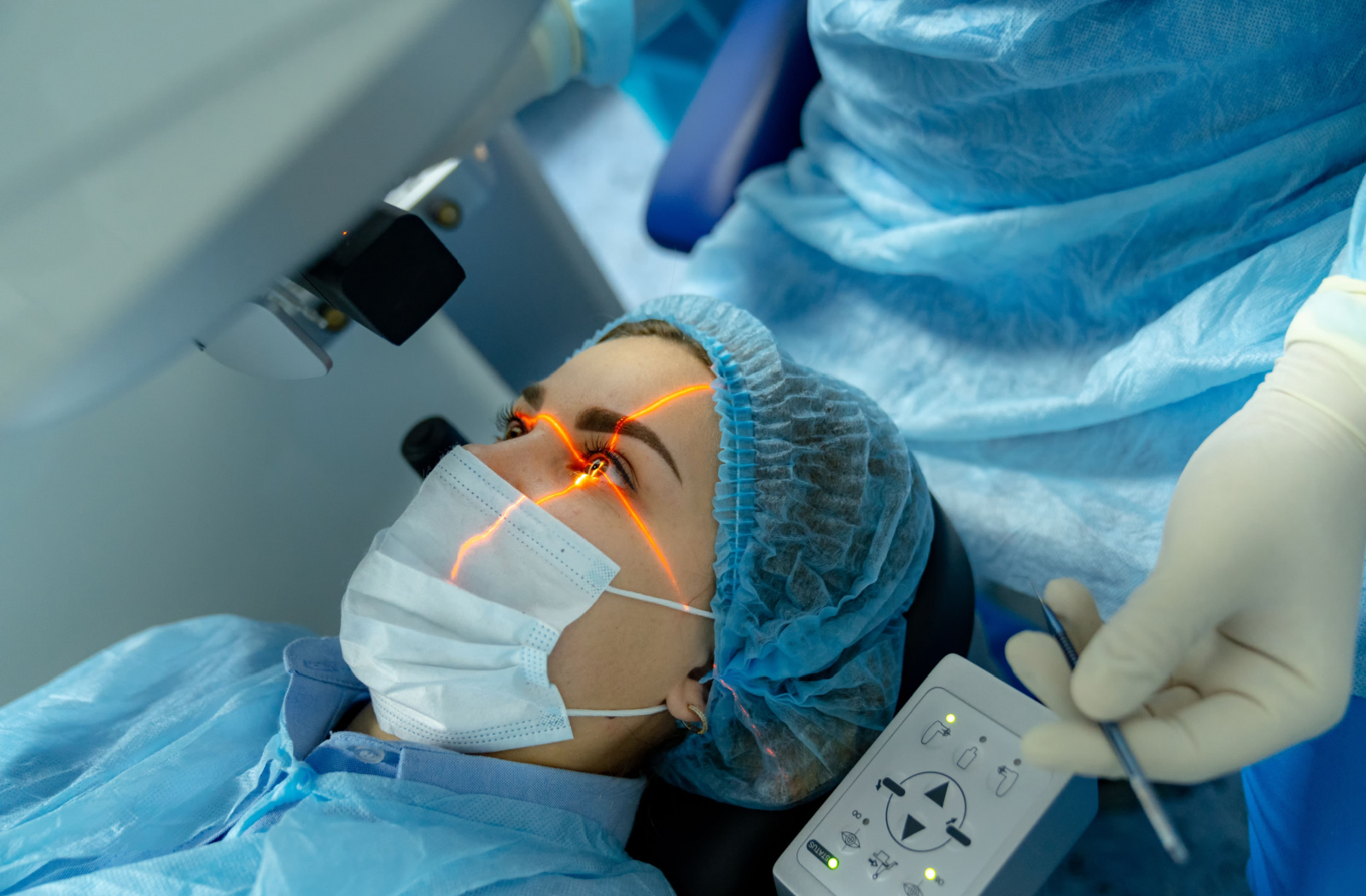
Many people are surprised by how quick and painless the laser procedure itself is. You will be awake throughout the surgery, but don't worry—topical anesthetic drops are used to completely numb your eye.
The actual time spent under the laser is often less than 15 minutes for both eyes combined. The process is streamlined, minimizing anxiety and maximizing precision.
Here's a snapshot of the patient experience:
- You will receive numbing eye drops, so you won't feel pain, only pressure or a mild sensation of touch.
- A lid speculum is used to gently hold your eyelids open, preventing blinking during the procedure.
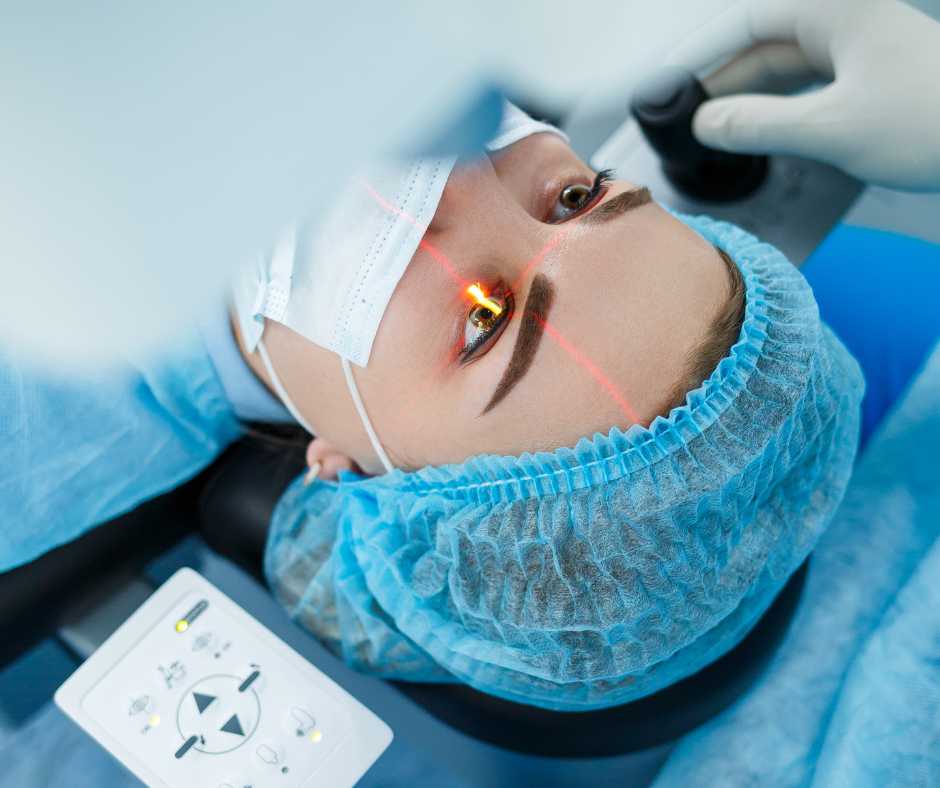
- The surgeon will ask you to focus on a target light. This light helps keep your eye still and ensures the tracker knows exactly where to apply the treatment.
- You may hear clicking or buzzing sounds from the laser, and you might notice a distinct odor, which is the scent of the corneal tissue vaporizing—this is completely normal.
- Immediately after the procedure, your vision will likely be hazy or smoky, but rapid improvement usually begins within hours.
Post-operative care is crucial, involving prescribed eye drops and follow-up appointments. Following your doctor's instructions carefully ensures the best possible outcome from your eye laser surgery.
Conclusion
The underlying principles of how eye laser surgery works are remarkably simple: use a precise, cool laser to gently and permanently reshape the corneal tissue. Whether you opt for LASIK with its rapid flap-based healing or PRK with its surface ablation technique, the result is the same—a corrected focal point that lands directly on your retina.
This technology has been refined over decades, offering millions the freedom from corrective lenses. If you are considering this life-changing procedure, the best first step is always a thorough consultation to confirm if you are a suitable candidate and determine which technique will best achieve your goal of clear, natural vision.
Frequently Asked Questions (FAQ)
- What is the recovery time for eye laser surgery?
- For LASIK, functional vision often returns within 24 to 48 hours, though full stabilization takes several weeks. For PRK, initial recovery (when the temporary contact lens is removed) takes about 5 to 7 days, with gradual vision improvement over the next month.
- Is the procedure painful?
- No. During the surgery, the eye is completely numbed using anesthetic drops, so you should not feel any pain, only pressure or minor sensations. After the surgery, LASIK patients often report mild scratchiness, while PRK patients may experience moderate discomfort for the first few days.
- How long does the corrected vision last?
- The structural changes made to the cornea by the laser are permanent. Once the procedure has stabilized the reshaping, the correction will last indefinitely. However, laser surgery does not prevent age-related vision changes, such as presbyopia (difficulty reading up close), which usually begins in the mid-40s.
- Is everyone a candidate for laser eye surgery?
- No. Good candidates must meet certain criteria, including having stable vision for at least a year, being over 18, and having sufficiently thick corneas. Conditions like severe dry eye, uncontrolled diabetes, or certain autoimmune diseases may rule out eligibility. A detailed pre-operative exam is essential.
How Eye Laser Surgery Works
How Eye Laser Surgery Works Wallpapers
Collection of how eye laser surgery works wallpapers for your desktop and mobile devices.
Vibrant How Eye Laser Surgery Works Photo Nature
Discover an amazing how eye laser surgery works background image, ideal for personalizing your devices with vibrant colors and intricate designs.
High-Quality How Eye Laser Surgery Works Background Photography
Transform your screen with this vivid how eye laser surgery works artwork, a true masterpiece of digital design.
Stunning How Eye Laser Surgery Works Abstract in HD
A captivating how eye laser surgery works scene that brings tranquility and beauty to any device.
Detailed How Eye Laser Surgery Works Landscape Concept
Explore this high-quality how eye laser surgery works image, perfect for enhancing your desktop or mobile wallpaper.
Mesmerizing How Eye Laser Surgery Works Image for Desktop
Discover an amazing how eye laser surgery works background image, ideal for personalizing your devices with vibrant colors and intricate designs.

Exquisite How Eye Laser Surgery Works Wallpaper Illustration
Find inspiration with this unique how eye laser surgery works illustration, crafted to provide a fresh look for your background.

Spectacular How Eye Laser Surgery Works Landscape in 4K
This gorgeous how eye laser surgery works photo offers a breathtaking view, making it a perfect choice for your next wallpaper.
Gorgeous How Eye Laser Surgery Works Abstract Illustration
A captivating how eye laser surgery works scene that brings tranquility and beauty to any device.
:max_bytes(150000):strip_icc()/GettyImages-1272404892-49812606744b414eba8a06abb764c796.jpg "Spectacular How Eye Laser Surgery Works Image Collection")
Spectacular How Eye Laser Surgery Works Image Collection
Immerse yourself in the stunning details of this beautiful how eye laser surgery works wallpaper, designed for a captivating visual experience.
Spectacular How Eye Laser Surgery Works Image for Your Screen
A captivating how eye laser surgery works scene that brings tranquility and beauty to any device.

Detailed How Eye Laser Surgery Works Landscape in 4K
Transform your screen with this vivid how eye laser surgery works artwork, a true masterpiece of digital design.

Serene How Eye Laser Surgery Works Design Collection
Experience the crisp clarity of this stunning how eye laser surgery works image, available in high resolution for all your screens.
Artistic How Eye Laser Surgery Works Abstract Nature
Immerse yourself in the stunning details of this beautiful how eye laser surgery works wallpaper, designed for a captivating visual experience.

Dynamic How Eye Laser Surgery Works Wallpaper for Your Screen
Immerse yourself in the stunning details of this beautiful how eye laser surgery works wallpaper, designed for a captivating visual experience.

Amazing How Eye Laser Surgery Works Artwork Art
Discover an amazing how eye laser surgery works background image, ideal for personalizing your devices with vibrant colors and intricate designs.

Lush How Eye Laser Surgery Works Moment in 4K
Find inspiration with this unique how eye laser surgery works illustration, crafted to provide a fresh look for your background.
Captivating How Eye Laser Surgery Works Design Art
Immerse yourself in the stunning details of this beautiful how eye laser surgery works wallpaper, designed for a captivating visual experience.

Artistic How Eye Laser Surgery Works Design for Your Screen
Immerse yourself in the stunning details of this beautiful how eye laser surgery works wallpaper, designed for a captivating visual experience.
Exquisite How Eye Laser Surgery Works Artwork for Desktop
This gorgeous how eye laser surgery works photo offers a breathtaking view, making it a perfect choice for your next wallpaper.
:max_bytes(150000):strip_icc()/laser_eye_surgery-a7551adb99784add9e388179cc68b3c7.jpg "Mesmerizing How Eye Laser Surgery Works Photo Digital Art")
Mesmerizing How Eye Laser Surgery Works Photo Digital Art
Transform your screen with this vivid how eye laser surgery works artwork, a true masterpiece of digital design.
Download these how eye laser surgery works wallpapers for free and use them on your desktop or mobile devices.
0 Response to "How Eye Laser Surgery Works"
Post a Comment