Eye Misalignment
Understanding Eye Misalignment: A Simple Guide to Getting Your Eyes Back in Sync
Have you ever noticed one eye drifting slightly? Perhaps you or a loved one have experienced double vision or chronic headaches that just won't go away. If so, you might be dealing with Eye Misalignment. It sounds serious, but don't panic! It's actually a relatively common condition, and understanding what's happening is the first step toward finding a clear solution.
This article is designed to walk you through everything you need to know about eye misalignment, also known medically as strabismus. We'll discuss why it happens, what the different types are, and most importantly, how eye specialists can help you correct it. Let's dive in and demystify this condition.
What Exactly is Eye Misalignment?
In a healthy visual system, both eyes work together perfectly, focusing on the same point at the same time. This harmonious teamwork allows your brain to combine the two slightly different images into a single, three-dimensional picture. This is crucial for depth perception (stereopsis).
Eye misalignment occurs when this coordination breaks down. Essentially, one eye is looking directly at the target object while the other eye is pointed in a different direction—up, down, in, or out. While the term "strabismus" is the clinical name, Eye Misalignment is the simplest way to describe this phenomenon where the eyes are not properly aligned.
When the eyes are misaligned, the brain receives two conflicting images. If this happens in childhood, the brain often learns to ignore the image from the misaligned eye (a process called suppression), which can lead to reduced vision in that eye (amblyopia or "lazy eye"). In adults, the brain often struggles to suppress the image, leading to frustrating double vision (diplopia).
Common Types of Eye Misalignment
Not all eye misalignment looks the same. The type of strabismus is classified based on the direction the misaligned eye is drifting. Specialists have specific names for each direction, which helps determine the best course of treatment.
Strabismus Explained: Different Directions of Drift
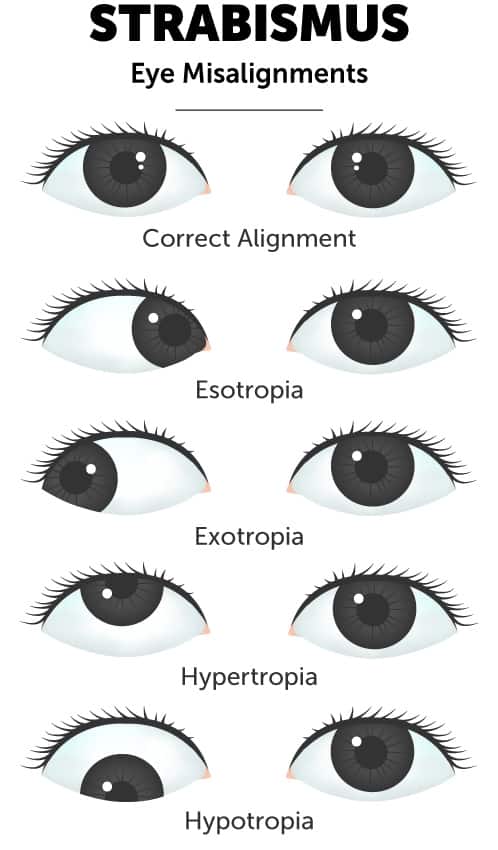
The four main types of directional drift define the kind of Eye Misalignment you are dealing with:
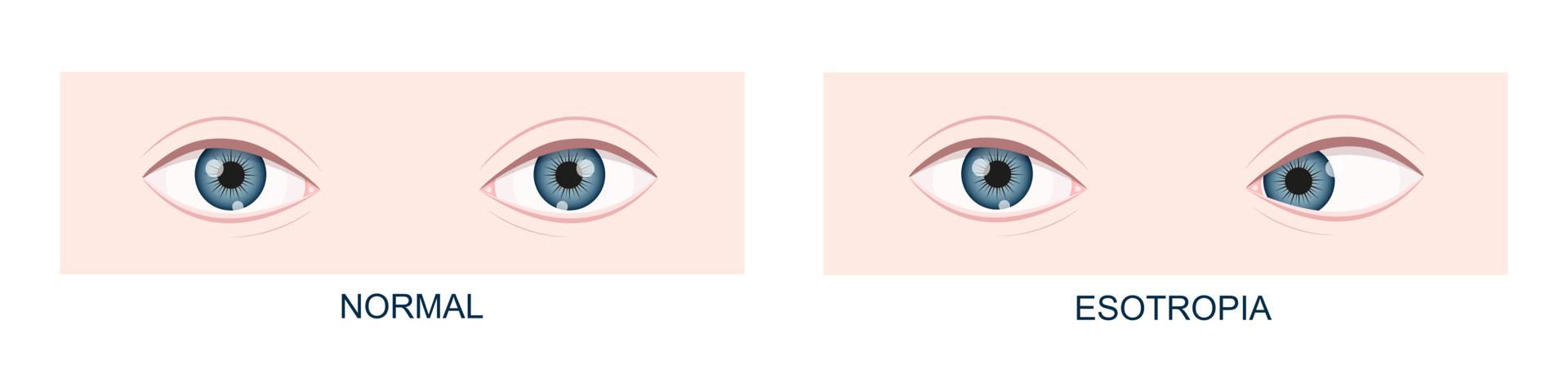
- Esotropia (Crossed Eyes): This is when one or both eyes turn inward, toward the nose. It is the most common form of misalignment in infants.
- Exotropia (Wall Eyes): This occurs when one or both eyes turn outward, away from the nose. This type is often more noticeable when the person is tired or daydreaming.
- Hypertropia: This is an upward deviation, meaning the misaligned eye is positioned higher than the other.
- Hypotropia: This is a downward deviation, meaning the misaligned eye is positioned lower than the other.
Understanding Tropias and Phorias
When discussing Eye Misalignment, you might hear the terms "tropia" and "phoria." It's helpful to know the difference, as it indicates the severity of the misalignment:
What is a Tropia?
A tropia is a constant and obvious misalignment. It is present even when both eyes are open and trying to focus. Tropias always require treatment because the brain cannot fuse the images properly, often leading to amblyopia or chronic double vision.
What is a Phoria?
A phoria is a latent, or hidden, misalignment. The eyes generally look straight when both are open. However, if you cover one eye, the hidden eye will drift, proving that the muscles are working extra hard to maintain alignment. Phorias are often asymptomatic but can cause eye strain, fatigue, and headaches during visually demanding tasks.
What Causes Your Eyes to Misalign?
The movement of your eyes is controlled by six extraocular muscles surrounding each eyeball. These muscles must be perfectly balanced and coordinated. When they aren't, Eye Misalignment occurs. The underlying causes can vary significantly depending on whether the condition develops in childhood or adulthood.
In children, the cause is often related to poorly developed motor control or significant uncorrected refractive errors (like being very farsighted). In adults, the onset is usually more abrupt and often linked to an underlying health issue.
Common causes and risk factors include:
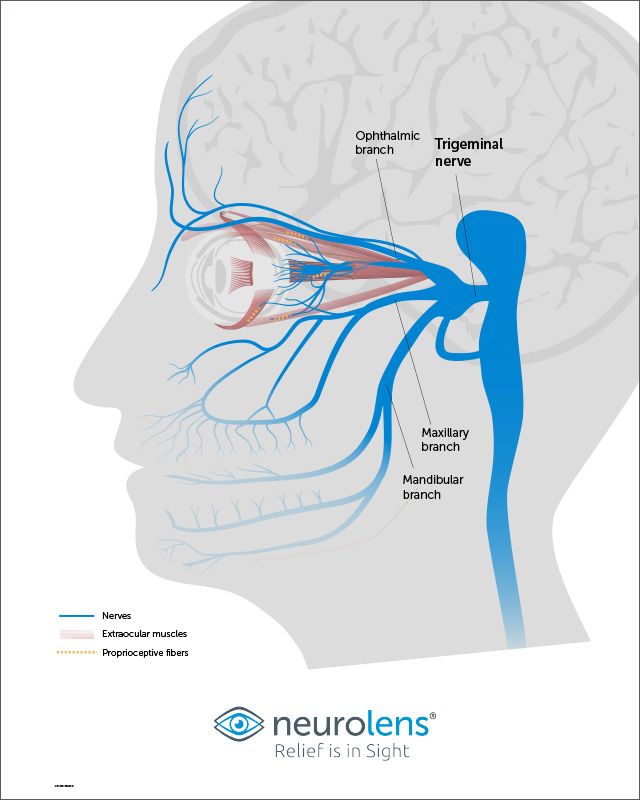
- Nerve Damage: Damage to the cranial nerves that control eye movement (Cranial Nerves III, IV, or VI) is a common adult cause. This can result from trauma, stroke, or tumors.
- Muscle Disorders: Issues with the eye muscles themselves, such as Graves' disease (thyroid eye disease), can restrict movement and lead to misalignment.
- Refractive Error: High amounts of farsightedness (hyperopia) can cause the eyes to over-converge in an effort to focus clearly, leading to esotropia.
- Genetics: Strabismus often runs in families, suggesting a strong genetic component. If a parent or sibling has Eye Misalignment, your risk is higher.
- Systemic Illnesses: Conditions like Diabetes, Multiple Sclerosis, or certain brain infections can disrupt the neurological pathways necessary for proper eye tracking.
Signs You Might Have Eye Misalignment
Sometimes Eye Misalignment is obvious—you can see one eye visibly turning. However, sometimes the misalignment is small or intermittent, making the symptoms harder to connect directly to the eyes. Here are the key indicators that suggest an eye alignment problem:
- Double Vision (Diplopia): This is the hallmark symptom for adults, where one image is seen clearly and another, overlapping image is seen slightly shifted.
- Squinting or Closing One Eye: People, particularly children with intermittent exotropia, often squint or cover one eye, especially in bright sunlight, to eliminate the double image.
- Head Tilting or Turning: To achieve better binocular vision and reduce diplopia, individuals often adopt an unusual head posture. This is a tell-tale sign that the eyes are struggling to align.
- Eye Strain and Fatigue: Constant effort to keep the eyes straight can lead to chronic soreness, redness, and tiredness, especially after reading or working on a computer.
- Loss of Depth Perception: Because the brain can't fuse the images into a 3D view, activities requiring depth judgment (like catching a ball or judging stairs) become difficult.
Treatment Options: Getting Your Eyes Back on Track
The good news is that most cases of Eye Misalignment are treatable, often with great success. The treatment chosen depends entirely on the type and cause of the strabismus, as well as the patient's age and overall health.
Non-Surgical Approaches
Many forms of misalignment can be corrected or managed without surgery. These methods are usually the first line of defense, especially for children:
- Eyeglasses or Contact Lenses: For cases where the misalignment is caused or exacerbated by high refractive errors (accommodative esotropia), simply correcting the vision with glasses can fully straighten the eyes.
- Prism Lenses: Prisms are special lenses placed in eyeglasses that bend light before it reaches the eyes. They trick the brain into aligning the images, often relieving double vision in adults.
- Vision Therapy (Eye Exercises): This structured program, often supervised by a specialist, teaches the eyes to work together better. It's highly effective for certain types of misalignment, particularly convergence insufficiency (a phoria related to reading).
- Botox Injections: Botulinum toxin (Botox) can be injected directly into an overactive eye muscle to temporarily weaken it. This allows the weaker muscle on the opposite side to take over, effectively rebalancing the alignment.
When Surgery is Necessary
If non-surgical treatments fail, or if the angle of the misalignment is large and permanent (a tropia), surgery might be recommended. Strabismus surgery is a common and often highly successful procedure.
The goal of surgery is not to touch the eyeball itself, but rather to adjust the tension of the surrounding eye muscles. The surgeon can either weaken a muscle by moving its attachment point further back on the eye (recession) or strengthen a muscle by shortening it and reattaching it (resection). This fine-tuning physically realigns the eye.
It's important to remember that successful treatment for Eye Misalignment often involves a combination approach, addressing both the physical alignment and the brain's ability to use the eyes together.
Conclusion: Seeking Clarity for Eye Misalignment
If you suspect you or your child has Eye Misalignment, don't delay seeking professional advice. While it can be a source of frustration, headaches, and impaired vision, modern ophthalmology offers fantastic tools for diagnosis and correction.
Whether through simple glasses, focused vision therapy, or precise surgical adjustment, aligning the eyes can dramatically improve visual comfort, depth perception, and quality of life. An early consultation with an optometrist or ophthalmologist specializing in strabismus is your best step toward achieving clear, comfortable, and coordinated vision.
Frequently Asked Questions (FAQ) About Eye Misalignment
- Can Eye Misalignment (Strabismus) be corrected in adults?
- Yes, absolutely. While the goal of childhood treatment is often to prevent lazy eye, adult treatment focuses on eliminating double vision and improving cosmetic alignment. Treatments like prism glasses, Botox, or strabismus surgery are very effective in adults.
- Is Eye Misalignment always noticeable?
- No. While severe misalignments (tropias) are obvious, milder or intermittent forms (phorias) may only be visible when the person is tired, sick, or trying to focus on a challenging visual task. These milder cases often cause symptoms like chronic headaches or eye strain before they cause a visible turn.
- Will my child outgrow Eye Misalignment?
- It is a common myth that children will simply outgrow strabismus. While some very small, temporary misalignments in newborns can resolve naturally within the first few months, any persistent or noticeable eye turn after 4 to 6 months of age requires professional examination and intervention to prevent permanent vision loss (amblyopia).
- Is strabismus surgery painful?
- Strabismus surgery is performed under general anesthesia (for children) or local anesthesia with sedation (for adults). Patients do not feel pain during the procedure. Post-surgery, there may be temporary discomfort, redness, and mild soreness, which is typically managed effectively with over-the-counter pain relievers.
Eye Misalignment
Eye Misalignment Wallpapers
Collection of eye misalignment wallpapers for your desktop and mobile devices.

Exquisite Eye Misalignment Landscape for Desktop
This gorgeous eye misalignment photo offers a breathtaking view, making it a perfect choice for your next wallpaper.

Spectacular Eye Misalignment Capture Collection
Immerse yourself in the stunning details of this beautiful eye misalignment wallpaper, designed for a captivating visual experience.

Beautiful Eye Misalignment Capture Art
Experience the crisp clarity of this stunning eye misalignment image, available in high resolution for all your screens.

Crisp Eye Misalignment Wallpaper Photography
Find inspiration with this unique eye misalignment illustration, crafted to provide a fresh look for your background.

Crisp Eye Misalignment Photo in HD
A captivating eye misalignment scene that brings tranquility and beauty to any device.

Stunning Eye Misalignment Photo for Your Screen
Find inspiration with this unique eye misalignment illustration, crafted to provide a fresh look for your background.

Dynamic Eye Misalignment View Concept
Immerse yourself in the stunning details of this beautiful eye misalignment wallpaper, designed for a captivating visual experience.
Stunning Eye Misalignment Picture for Mobile
This gorgeous eye misalignment photo offers a breathtaking view, making it a perfect choice for your next wallpaper.

Detailed Eye Misalignment Artwork in 4K
Transform your screen with this vivid eye misalignment artwork, a true masterpiece of digital design.
Gorgeous Eye Misalignment Capture for Desktop
This gorgeous eye misalignment photo offers a breathtaking view, making it a perfect choice for your next wallpaper.
Serene Eye Misalignment Image Nature
Transform your screen with this vivid eye misalignment artwork, a true masterpiece of digital design.
Artistic Eye Misalignment Photo for Your Screen
Find inspiration with this unique eye misalignment illustration, crafted to provide a fresh look for your background.

Spectacular Eye Misalignment Background for Desktop
This gorgeous eye misalignment photo offers a breathtaking view, making it a perfect choice for your next wallpaper.

Detailed Eye Misalignment View Art
Transform your screen with this vivid eye misalignment artwork, a true masterpiece of digital design.
Lush Eye Misalignment Capture Art
This gorgeous eye misalignment photo offers a breathtaking view, making it a perfect choice for your next wallpaper.

Lush Eye Misalignment Background Nature
Find inspiration with this unique eye misalignment illustration, crafted to provide a fresh look for your background.
Breathtaking Eye Misalignment Abstract Nature
Transform your screen with this vivid eye misalignment artwork, a true masterpiece of digital design.

Vibrant Eye Misalignment Artwork for Desktop
Experience the crisp clarity of this stunning eye misalignment image, available in high resolution for all your screens.

Stunning Eye Misalignment Capture Collection
This gorgeous eye misalignment photo offers a breathtaking view, making it a perfect choice for your next wallpaper.
Beautiful Eye Misalignment Design for Mobile
Transform your screen with this vivid eye misalignment artwork, a true masterpiece of digital design.
Download these eye misalignment wallpapers for free and use them on your desktop or mobile devices.
0 Response to "Eye Misalignment"
Post a Comment