Blue Eye Newborn
The Charming World of the Blue Eye Newborn: Everything You Need to Know
There is nothing quite as captivating as looking into the eyes of a newborn baby. If your little one has just arrived and is sporting those striking, deep blue eyes, you might be wondering: will they stay that way? Welcome to the fascinating world of the Blue Eye Newborn.
It is incredibly common for infants, especially those of Caucasian descent, to be born with beautiful blue or grayish-blue eyes. This initial eye color is often a temporary display, a charming placeholder until their body decides on the permanent hue. Understanding why this happens and when the color might settle is key for every new parent.
This comprehensive guide will walk you through the science, the timeline, and the genetics behind your baby's mesmerizing eyes. Get ready to learn all about why the color blue is so dominant in those early days.
Why Are Most Newborns Born with Blue Eyes?
If you find yourself staring at your perfect Blue Eye Newborn, know that this phenomenon is entirely normal and expected. The simple answer lies in the absence of a pigment called melanin. Melanin is the substance responsible for giving color to our skin, hair, and, crucially, our eyes.
When a baby is born, their eyes have not yet been exposed to light outside the womb, and the specialized cells (melanocytes) in the iris haven't started their production line of melanin. Until that process ramps up, the eyes default to a blue appearance.
The Role of Melanin and the Iris
The iris is the colored part of the eye, controlling the pupil's size. The amount of melanin deposited in the stroma (the front layer of the iris) determines the final eye color. Think of it like a dimmer switch for color.
- **Lots of Melanin:** This results in darker eyes, such as brown or black.
- **Medium Melanin:** This leads to colors like hazel, green, or amber.
- **Very Little Melanin:** This results in blue eyes, as light is scattered rather than absorbed.
For a newborn, the melanocytes are only just beginning to get their instructions from the baby's genes. It takes several months of light exposure and cellular activity for the permanent melanin level to be established.
The Tyndall Effect Explained
If there is no pigment, how exactly do the eyes look blue? This is where physics comes into play through the phenomenon known as the Tyndall Effect. You see this same effect when the sky appears blue—it's not actually blue; it's light scattering.
When light hits the transparent layers of the iris, it scatters the shorter wavelengths of light (blue) more easily than the longer wavelengths (red, yellow). Because the back layer of the iris has little or no pigment yet, this scattering makes the eyes appear blue to the observer.
When Will the Blue Eye Newborn's Color Change?
This is the million-dollar question every parent asks! While those initial brilliant blue eyes are beautiful, many parents wonder if they need to stock up on blue outfits forever. The truth is, the eye color journey is a slow process that unfolds over the first year of life, and sometimes longer.
The Critical Period: 6 to 9 Months
The most dramatic changes usually happen around the six-month mark. By this time, the melanocytes have received enough light and genetic information to significantly increase melanin production. If your baby's genes dictate a darker color, you will start seeing subtle shifts.
You might notice a ring of green, gray, or brown starting to form around the pupil. This is a tell-tale sign that the blue is fading and the permanent color is beginning to take hold. Watch closely, as the shift can happen quite quickly.
When Eye Color Becomes Permanent
While the biggest change happens in the first year, eye color isn't truly set in stone until your child reaches their first birthday, and sometimes even up to age three. Although dramatic shifts after year one are rare, subtle darkening or slight hue changes can continue.
If your child still has those brilliant blue eyes after 18 months, there is a very high probability that they will remain blue for life. For most children, the color they have at age two is the color they keep.
Here is a typical timeline for color settling:
- **Birth to 3 Months:** Almost universally blue or gray. Minimal change expected.
- **4 to 9 Months:** Melanin production increases; first signs of color shift appear.
- **1 Year:** Eye color is usually close to its final shade.
- **3 Years:** Color is considered fully permanent.
Genetics: The Science Behind Your Baby's Eye Color
Eye color is highly heritable, but the genetics are much more complex than the simple Punnett square charts you might remember from school. It's not just one gene, but multiple genes working together, with the OCA2 and HERC2 genes playing the starring roles.
These genes regulate how much melanin is produced and where it is distributed. The combination of your and your partner's genes ultimately determines if your Blue Eye Newborn will keep their initial hue or transition to a darker shade.
Decoding the Dominant and Recessive Genes
Historically, brown was considered dominant and blue recessive. While this holds true in a simplified sense (more melanin production tends to be dominant), modern genetics recognizes that eye color exists on a spectrum determined by variations in DNA.
Generally speaking, if both parents have brown eyes but carry the recessive gene for blue eyes, there is still a chance the baby will end up with blue eyes. Conversely, if both parents have blue eyes, it is highly likely (though not guaranteed due to complex genetic interactions) that the child will retain their blue color.
Predicting Eye Color: Is It Possible?
We can make educated guesses, but precise prediction is tricky. If your family tree is littered with blue-eyed relatives, the odds are stacked in favor of the blue staying. However, if darker eyes are common, expect a transition.
Don't rely entirely on online calculators. The best way to predict your child's final color is to look at the eye colors of all four grandparents, as this gives a broader picture of the genes available to your baby. Even then, nature loves a surprise!
Concerns and Care for Blue Eye Newborns
While the blue color itself is not a health concern, lighter eyes in general can sometimes lead to increased sensitivity. Since blue eyes have less protective pigment, they may allow more light into the eye.
It's important to protect your baby's eyes from intense sunlight, regardless of their color. If you are outside on a bright day, make sure your baby is wearing a hat with a wide brim or positioned in the shade to protect their developing eyes.
In rare cases, if only one eye changes color (a condition called heterochromia), or if the eyes appear extremely pale pink, consult your pediatrician or an eye specialist. However, for the vast majority of parents, the blue phase is simply a beautiful stage of development.
Regular pediatrician visits include routine eye checks. If there are any concerns about vision development or specific pigmentation issues, your doctor will be able to provide guidance.
Conclusion: Cherishing the Blue Eye Newborn Phase
The journey of watching your Blue Eye Newborn grow and develop is filled with precious milestones, and watching their eye color evolve is certainly one of them. Whether those captivating eyes remain blue or transition into a warm brown or vibrant green, remember that the initial blue hue is a testament to their healthy development.
Rest assured, that beautiful, sometimes fleeting, blue eye stage is entirely natural. Enjoy documenting this transitional period, and trust that your baby's body is making the perfect, genetically determined choice for their final, dazzling eye color.
Frequently Asked Questions About Blue Eye Newborns
- Can a baby's eyes change color after their first birthday?
- While the most significant changes occur within the first 6 to 12 months, subtle darkening can occur up until age three or even seven. Major shifts (e.g., blue to dark brown) are unlikely after the first year.
- Do all babies of non-Caucasian descent start with blue eyes?
- No. Babies born with more highly pigmented skin (typically of Asian, African, or Hispanic descent) often have higher melanin levels at birth, meaning they are usually born with brown or darker eyes that do not change significantly.
- What is the rarest final eye color for a newborn?
- Green is generally considered the rarest eye color globally. While many babies go through a phase of greenish-blue during the transition, few end up with true emerald green eyes.
- If both parents have brown eyes, can the baby have blue eyes?
- Yes, absolutely. Since eye color is polygenic (controlled by multiple genes), if both parents carry the recessive genes for blue eyes, there is a possibility they can pass those genes on to their child, resulting in a blue-eyed baby.
- Does sun exposure cause the eyes to change color faster?
- No, sun exposure does not speed up or determine the final color. The process of melanin production is dictated by genetics. However, avoiding excessive sunlight is always recommended for eye health.
Blue Eye Newborn
Blue Eye Newborn Wallpapers
Collection of blue eye newborn wallpapers for your desktop and mobile devices.

Lush Blue Eye Newborn Moment in 4K
Find inspiration with this unique blue eye newborn illustration, crafted to provide a fresh look for your background.
Amazing Blue Eye Newborn Picture for Your Screen
Discover an amazing blue eye newborn background image, ideal for personalizing your devices with vibrant colors and intricate designs.

Vivid Blue Eye Newborn Image Collection
Transform your screen with this vivid blue eye newborn artwork, a true masterpiece of digital design.
Mesmerizing Blue Eye Newborn Scene for Your Screen
Transform your screen with this vivid blue eye newborn artwork, a true masterpiece of digital design.
Vivid Blue Eye Newborn Artwork Collection
Explore this high-quality blue eye newborn image, perfect for enhancing your desktop or mobile wallpaper.
Stunning Blue Eye Newborn Design Art
Immerse yourself in the stunning details of this beautiful blue eye newborn wallpaper, designed for a captivating visual experience.

Crisp Blue Eye Newborn Image for Your Screen
Find inspiration with this unique blue eye newborn illustration, crafted to provide a fresh look for your background.
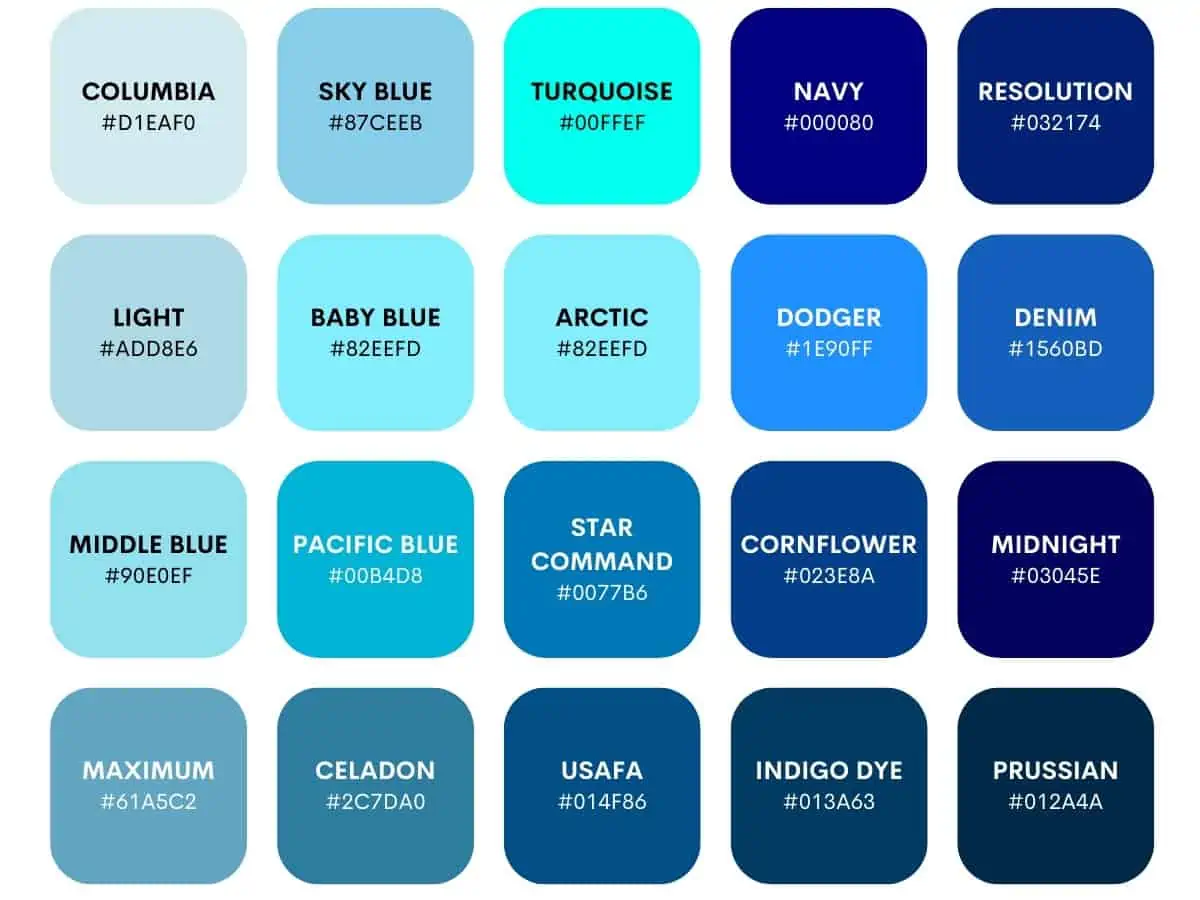
Vibrant Blue Eye Newborn Image Illustration
Explore this high-quality blue eye newborn image, perfect for enhancing your desktop or mobile wallpaper.
Vivid Blue Eye Newborn Landscape in HD
Experience the crisp clarity of this stunning blue eye newborn image, available in high resolution for all your screens.

Exquisite Blue Eye Newborn View in HD
A captivating blue eye newborn scene that brings tranquility and beauty to any device.

High-Quality Blue Eye Newborn Design Concept
Explore this high-quality blue eye newborn image, perfect for enhancing your desktop or mobile wallpaper.

Vivid Blue Eye Newborn Image Art
Discover an amazing blue eye newborn background image, ideal for personalizing your devices with vibrant colors and intricate designs.

Gorgeous Blue Eye Newborn Capture for Your Screen
A captivating blue eye newborn scene that brings tranquility and beauty to any device.
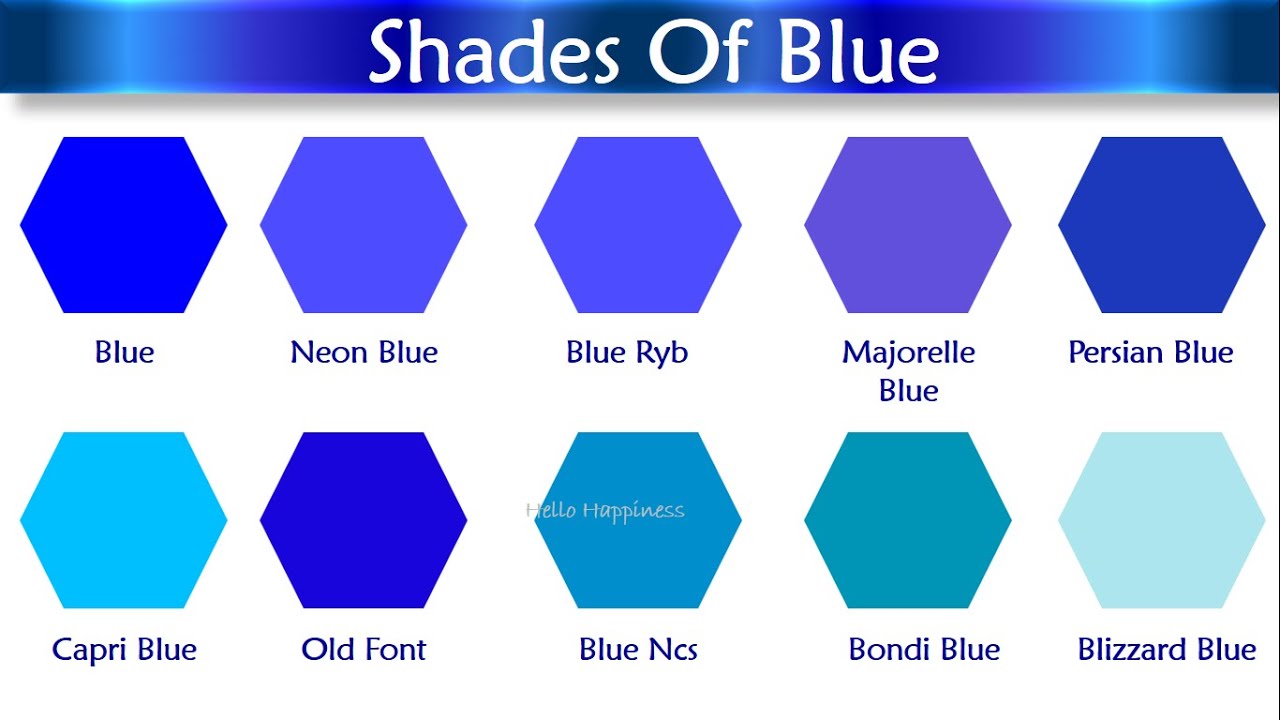
Gorgeous Blue Eye Newborn View Photography
A captivating blue eye newborn scene that brings tranquility and beauty to any device.

Vibrant Blue Eye Newborn Landscape for Mobile
Transform your screen with this vivid blue eye newborn artwork, a true masterpiece of digital design.
Spectacular Blue Eye Newborn Landscape in 4K
This gorgeous blue eye newborn photo offers a breathtaking view, making it a perfect choice for your next wallpaper.

Crisp Blue Eye Newborn Artwork Art
Immerse yourself in the stunning details of this beautiful blue eye newborn wallpaper, designed for a captivating visual experience.

Spectacular Blue Eye Newborn Picture Art
A captivating blue eye newborn scene that brings tranquility and beauty to any device.

High-Quality Blue Eye Newborn Landscape in HD
Experience the crisp clarity of this stunning blue eye newborn image, available in high resolution for all your screens.
Spectacular Blue Eye Newborn Abstract Illustration
A captivating blue eye newborn scene that brings tranquility and beauty to any device.
Download these blue eye newborn wallpapers for free and use them on your desktop or mobile devices.
0 Response to "Blue Eye Newborn"
Post a Comment