Bionic Eye
Bionic Eye: The Revolutionary Technology Restoring Vision and Hope
Imagine a world where sight, once lost, can be partially regained through the marvel of technology. This isn't science fiction anymore; it is the reality delivered by the Bionic Eye. For millions living with degenerative eye conditions, this advanced prosthetic device offers a monumental leap toward independence and improved quality of life.
If you or a loved one is researching options for vision restoration, you've come to the right place. We're going to dive deep into what the Bionic Eye is, how it works, who can benefit from it, and what the future holds for this transformative technology. Let's look beyond the technical jargon and explore the incredible potential of artificial vision.
What is a Bionic Eye, Really?
The term Bionic Eye refers to a complex electronic device designed to provide a sense of sight to people who are blind due to specific retinal diseases. Unlike glasses or contact lenses that correct focus issues, the Bionic Eye bypasses damaged parts of the eye and stimulates the functioning nerve cells directly.
In essence, it acts as an artificial retina. It doesn't restore perfect vision, but rather provides patterns of light, allowing the user to perceive shapes, movement, and large objects. This level of functional vision can significantly help with orientation and daily tasks.
This technology is often called a retinal implant or visual prosthetic. Historically, devices like the Argus II have led the charge in showing the viability of restoring limited sight, paving the way for even more sophisticated systems being developed today.
How Does the Technology Work?
Understanding the mechanism behind the Bionic Eye requires thinking about vision not just as light hitting the eye, but as electrical signals traveling to the brain. When the retina is damaged, the conversion of light into electrical signals stops. The Bionic Eye steps in to perform this crucial conversion externally.
It's an incredibly clever system that integrates external hardware with surgically implanted electronics. The process starts outside the body and finishes deep within the eyeball, directly communicating with the visual pathways.
Components of a Bionic Eye System
A typical Bionic Eye system includes several key components working seamlessly together. These parts ensure that external visual data is translated into meaningful neural stimulation.
- External Camera: This small camera, often mounted on glasses, captures the scene in front of the user.
- Video Processing Unit (VPU): This unit, usually worn on a belt or around the neck, processes the raw video data. It converts the captured image into specific patterns that represent light and darkness.
- Transmitter Coil: This coil, also integrated into the glasses, sends the processed signal wirelessly across the skin to the implanted receiver.
- Retinal Implant (Electrode Array): This tiny chip is surgically placed onto or beneath the retina. It receives the wireless signal and uses small electrical pulses to stimulate the remaining healthy cells in the retina.
- Optic Nerve Stimulation: The stimulated retinal cells then send the electrical information along the optic nerve to the brain, where it is interpreted as a visual image (though often low-resolution).
The Surgical and Calibration Process
Receiving a Bionic Eye requires precision surgery performed by specialized ophthalmic surgeons. The operation involves implanting the electrode array either on top of the retina (epiretinal) or underneath it (subretinal), depending on the specific device and the patient's condition.
The surgery typically takes several hours and requires recovery time. However, the most fascinating part begins after healing: the calibration and training phase. This is where the device is fine-tuned to the individual user.
During calibration, doctors adjust the electrical parameters, determining the best current levels to produce discernible light spots (phosphenes) for the patient. Users then undergo intensive rehabilitation to learn how to interpret these new visual signals, essentially relearning how to "see" using the Bionic Eye.
Who Can Benefit from a Bionic Eye?
While the concept is exciting, it's crucial to understand that the Bionic Eye is currently not a universal cure for blindness. It is specifically designed for patients whose blindness results from conditions affecting the photoreceptors—the light-sensing cells—while leaving the downstream retinal nerve cells intact.
The primary beneficiaries of current Bionic Eye technology are individuals with advanced stages of Retinitis Pigmentosa (RP) and sometimes certain forms of Macular Degeneration. These conditions destroy the rods and cones but often spare the underlying network of ganglion cells necessary to carry signals to the brain.
It is important to manage expectations: the vision provided is generally limited to light perception, identifying large objects, and tracking movement. This, however, is a profound improvement for those who previously had no light perception at all.
Current Limitations and Eligibility
Due to the way the Bionic Eye works, several strict criteria must be met to be considered a candidate. If the optic nerve itself is damaged, or if the blindness is caused by issues in the brain, the implant cannot provide functional vision.
Here are the common eligibility criteria for receiving a Bionic Eye implant, such as the Argus system:
- Diagnosis of severe to profound Retinitis Pigmentosa.
- Previous history of useful vision, meaning the brain knows how to process visual data.
- Total lack of light perception or extremely limited light perception in both eyes.
- Presence of a healthy optic nerve and viable inner retinal layers capable of transmitting signals.
- Medical fitness for surgery and willingness to undergo intensive post-operative rehabilitation.
- Realistic expectations regarding the limited nature of the restored vision (low-resolution, black-and-white patterns).
Talk to your ophthalmologist if you believe you fit these criteria. They can assess the health of your remaining retinal cells and optic nerve to determine suitability.
Future Innovations and the Next Generation Bionic Eye
The current generation of Bionic Eye devices, while groundbreaking, is just the beginning. Researchers around the globe are tirelessly working to increase the resolution, expand the range of treatable conditions, and simplify the overall system.
One major area of focus is increasing the number of electrodes in the array. More electrodes mean finer detail and higher resolution. While early implants offered a couple hundred pixels, future devices aim for thousands, potentially allowing for facial recognition and improved environmental navigation.
Furthermore, scientists are exploring cortical implants—devices that bypass the eye entirely and stimulate the visual cortex of the brain directly. This could offer hope for individuals whose blindness is caused by optic nerve damage or eye injury, where the retinal implant is not feasible. The potential for the Bionic Eye is truly limitless.
The incorporation of artificial intelligence and machine learning is also promising. These technologies could help the Bionic Eye system process visual data more efficiently, filtering out noise and highlighting important features like curbs or doorway edges, making the resulting image clearer and more intuitive for the user.
Conclusion
The journey of the Bionic Eye from a concept in science fiction to a tangible medical reality is nothing short of miraculous. While not a cure for all forms of blindness, it provides a crucial pathway for people with certain retinal degenerations to regain some functional sight.
Through sophisticated electronics, precise surgery, and dedicated rehabilitation, the Bionic Eye system transforms light into electrical information that the brain can interpret. As technology advances, we can eagerly anticipate higher resolution, more compact devices, and wider applicability. The future promises immense hope for vision restoration, proving that in the fight against blindness, innovation continues to open our eyes to new possibilities.
Frequently Asked Questions (FAQ) About the Bionic Eye
- Is the Bionic Eye covered by insurance?
- Coverage varies significantly depending on your location, health system, and specific insurance policy. In many regions, devices treating specific conditions like Retinitis Pigmentosa are increasingly covered, but pre-authorization and detailed documentation are always necessary.
- Does the Bionic Eye restore full, natural vision?
- No. Current Bionic Eye technology provides low-resolution, often black-and-white vision, primarily focused on light detection, identifying large shapes, and tracking movement. It significantly aids navigation but does not restore 20/20 sight.
- What is the Argus II?
- The Argus II was one of the first commercially available and FDA-approved retinal prosthetics (Bionic Eye). It has been pivotal in demonstrating the efficacy of this technology for patients with Retinitis Pigmentosa.
- How long does the Bionic Eye last?
- The internal components of the Bionic Eye are designed to be long-lasting. For instance, the Argus II was designed to last for many years, often exceeding a decade. Like any implant, potential long-term issues require periodic check-ups with your surgeon.
- Can the Bionic Eye help people blind from birth?
- Generally, no. Current Bionic Eye systems work best for people who lost their sight later in life. The brain needs prior experience interpreting visual signals to make sense of the new electrical input provided by the prosthetic.
Bionic Eye
Bionic Eye Wallpapers
Collection of bionic eye wallpapers for your desktop and mobile devices.

Captivating Bionic Eye Artwork for Your Screen
A captivating bionic eye scene that brings tranquility and beauty to any device.

Crisp Bionic Eye Artwork for Desktop
Immerse yourself in the stunning details of this beautiful bionic eye wallpaper, designed for a captivating visual experience.
Captivating Bionic Eye Design in 4K
Immerse yourself in the stunning details of this beautiful bionic eye wallpaper, designed for a captivating visual experience.

High-Quality Bionic Eye Background Concept
Experience the crisp clarity of this stunning bionic eye image, available in high resolution for all your screens.

Spectacular Bionic Eye Photo for Your Screen
Find inspiration with this unique bionic eye illustration, crafted to provide a fresh look for your background.
Amazing Bionic Eye Background Photography
Experience the crisp clarity of this stunning bionic eye image, available in high resolution for all your screens.

Breathtaking Bionic Eye Design Digital Art
Transform your screen with this vivid bionic eye artwork, a true masterpiece of digital design.

Gorgeous Bionic Eye Landscape Photography
A captivating bionic eye scene that brings tranquility and beauty to any device.

Spectacular Bionic Eye Image Art
A captivating bionic eye scene that brings tranquility and beauty to any device.
Vibrant Bionic Eye Design in HD
Explore this high-quality bionic eye image, perfect for enhancing your desktop or mobile wallpaper.

Serene Bionic Eye Wallpaper for Your Screen
Experience the crisp clarity of this stunning bionic eye image, available in high resolution for all your screens.

Mesmerizing Bionic Eye Picture for Your Screen
Explore this high-quality bionic eye image, perfect for enhancing your desktop or mobile wallpaper.

Detailed Bionic Eye Abstract Nature
Transform your screen with this vivid bionic eye artwork, a true masterpiece of digital design.

Exquisite Bionic Eye Image Collection
This gorgeous bionic eye photo offers a breathtaking view, making it a perfect choice for your next wallpaper.
Amazing Bionic Eye Background Concept
Transform your screen with this vivid bionic eye artwork, a true masterpiece of digital design.
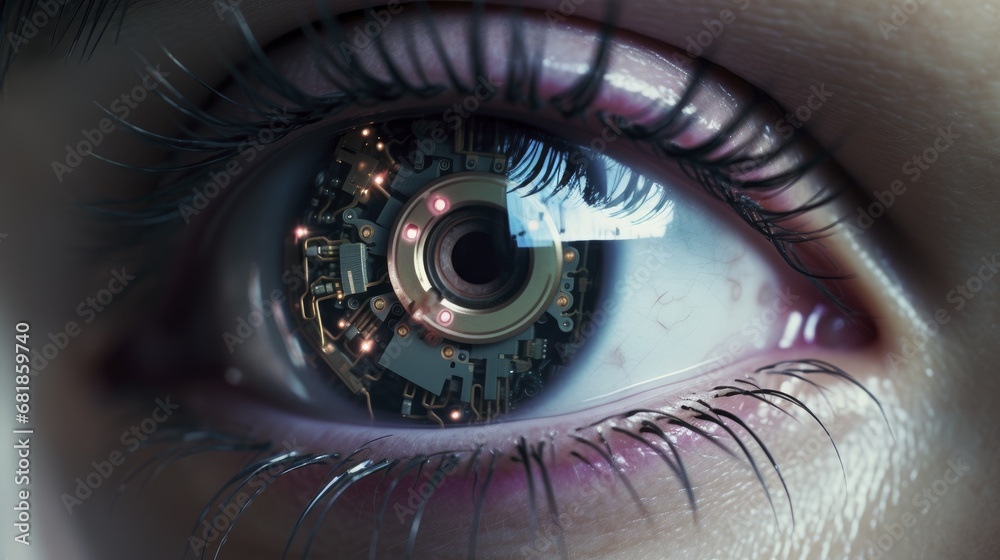
Amazing Bionic Eye Picture Photography
Discover an amazing bionic eye background image, ideal for personalizing your devices with vibrant colors and intricate designs.
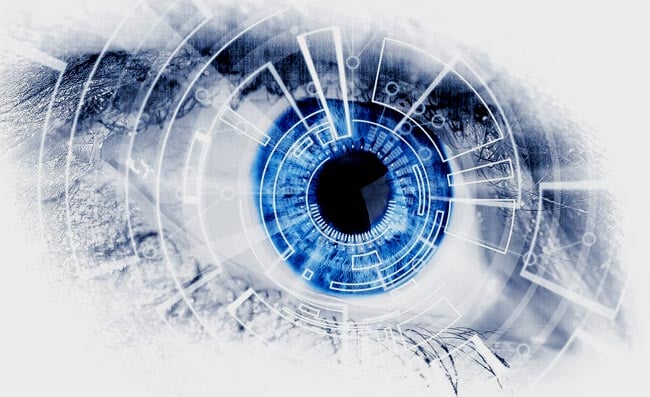
Spectacular Bionic Eye Scene Nature
Immerse yourself in the stunning details of this beautiful bionic eye wallpaper, designed for a captivating visual experience.

Vivid Bionic Eye Moment Illustration
Explore this high-quality bionic eye image, perfect for enhancing your desktop or mobile wallpaper.

Dynamic Bionic Eye Scene Photography
Immerse yourself in the stunning details of this beautiful bionic eye wallpaper, designed for a captivating visual experience.

Vibrant Bionic Eye Moment Concept
Explore this high-quality bionic eye image, perfect for enhancing your desktop or mobile wallpaper.
Download these bionic eye wallpapers for free and use them on your desktop or mobile devices.
0 Response to "Bionic Eye"
Post a Comment