Diabetic Eye Check Up
Your Essential Guide to a Diabetic Eye Check Up: Keeping Your Sight Safe
If you live with diabetes, you already know that managing your blood sugar is a daily commitment. But there's one crucial piece of the puzzle that sometimes gets overlooked: protecting your vision. Your eyes are highly susceptible to damage caused by elevated glucose levels, making a regular Diabetic Eye Check Up absolutely essential, not optional.
We understand that the thought of another medical appointment might seem tedious, but this check-up is one of the most powerful steps you can take to prevent permanent vision loss. It's not just about getting a prescription update; it's about early detection of silent diseases.
This guide is designed to walk you through exactly why these check-ups are so important, what to expect during the examination, and how you can prepare to make the most of your time with the eye specialist. Let's make sure you keep enjoying clear vision for years to come.
Why is a Diabetic Eye Check Up Non-Negotiable?
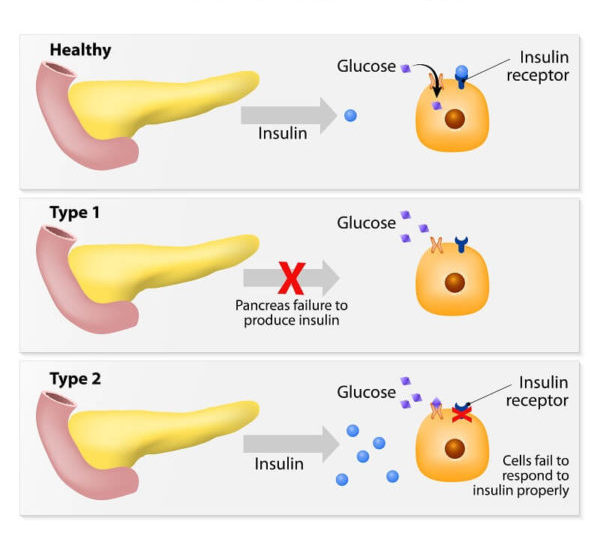
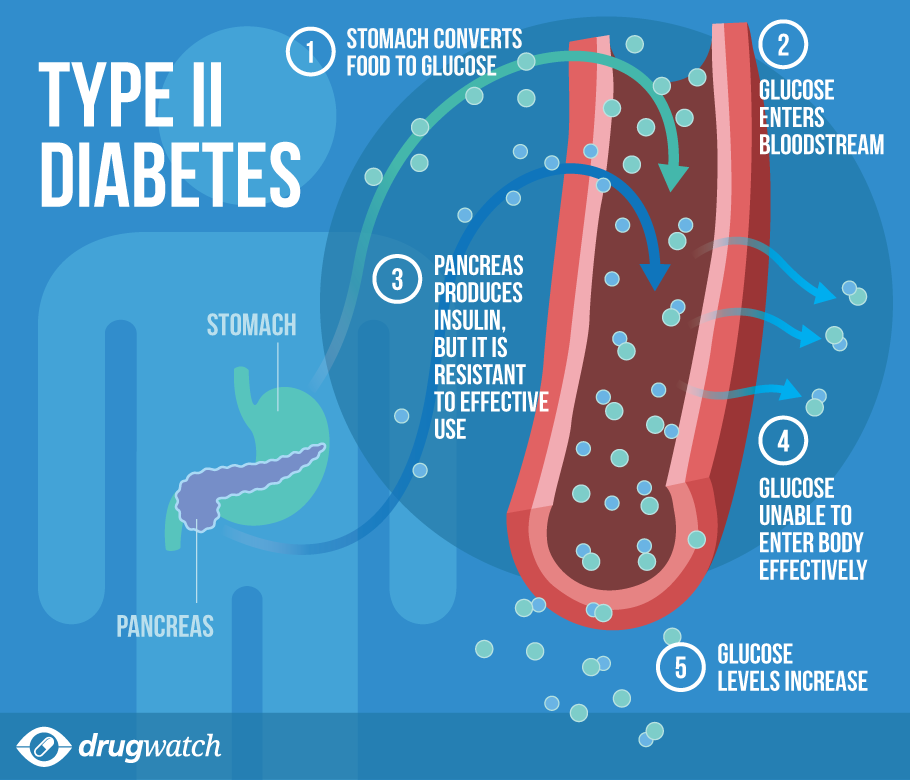
Diabetes affects your entire circulatory system, and the delicate blood vessels in your eyes are often the first to show signs of damage. High blood sugar can weaken and block these tiny vessels, particularly those supplying the retina—the light-sensitive tissue at the back of your eye.
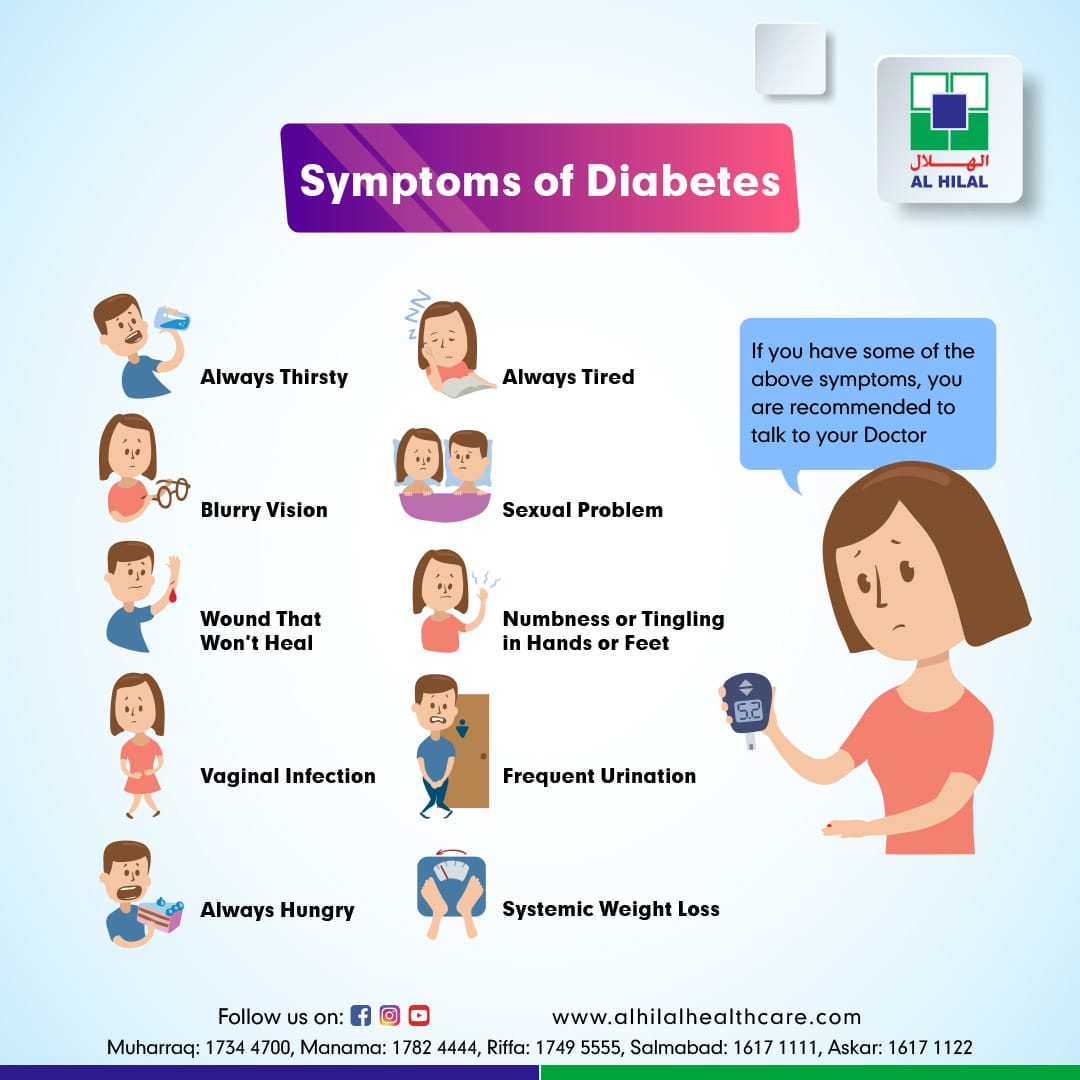
The problem is that early eye damage usually has no noticeable symptoms. You might feel perfectly fine and see clearly, even while serious damage is progressing. By the time you notice blurred vision or floaters, the condition might be advanced, making treatment much more complicated.
This is precisely why preventative care, meaning your scheduled Diabetic Eye Check Up, is your best defense. It allows the eye doctor (ophthalmologist or optometrist) to spot microscopic changes before they threaten your sight.
Understanding Diabetic Retinopathy
Diabetic Retinopathy is the most common eye disease affecting people with diabetes. It occurs when blood vessels in the retina leak fluid or bleed, causing swelling and deposits. If left untreated, the eye may try to grow new, abnormal blood vessels, which are fragile and highly prone to bleeding and scar tissue formation.
In its early, non-proliferative stages, treatment may involve careful monitoring and optimizing blood sugar control. However, in advanced (proliferative) stages, treatment often requires laser surgery or injections to save sight. Early detection during a regular Diabetic Eye Check Up significantly improves the success rate of any necessary intervention.
While Diabetic Retinopathy gets the most attention, diabetes also increases your risk for other serious conditions:
- Diabetic Macular Edema (DME): Swelling in the macula, the part of the retina needed for sharp, central vision. This is often the primary cause of vision loss in people with diabetes.
- Cataracts: Clouding of the eye's lens. People with diabetes tend to develop cataracts earlier than the general population.
- Glaucoma: A group of diseases that damage the optic nerve, often due to high pressure in the eye. Diabetes doubles the risk of developing glaucoma.
What Happens During a Comprehensive Diabetic Eye Check Up?
Unlike a standard vision test for glasses, a comprehensive Diabetic Eye Check Up is much more thorough. Your appointment may last an hour or more, particularly because a significant portion of the exam involves waiting for your pupils to dilate.
Before any testing begins, your eye doctor will discuss your overall health, including how well-controlled your blood sugar has been (your HbA1c levels) and any new symptoms you might be experiencing. Be honest about your management; this information is vital for an accurate assessment.
Key Tests Performed
The goal of the examination is to look beyond your vision and examine the actual structure of your eye, specifically the retina and optic nerve. Here are the main tests you can expect:
- Visual Acuity Test: The standard eye chart test to measure how clearly you see at various distances.
- Tonometry: Measurement of the fluid pressure inside your eye (intraocular pressure). This is key for detecting glaucoma.
- Pupil Dilation: Eye drops are used to widen your pupils, which is crucial because it gives the doctor the widest possible view of the retina and the optic nerve.
- Dilated Fundus Examination: Using special lenses and bright light, the doctor checks the back of your eye for any signs of leakage, swelling, abnormal blood vessel growth, or scar tissue—all hallmarks of diabetic damage.
- Optical Coherence Tomography (OCT): A non-invasive imaging test that uses light waves to take cross-section pictures of your retina, helping to detect subtle swelling (like DME).
- Fundus Photography: Taking photographs of the retina for documentation, allowing doctors to compare results year after year to track disease progression.
Remember that dilation temporarily makes your vision blurry and sensitive to light. It is essential to arrange for someone else to drive you home after the examination, or plan on using public transport, as you will not be safe driving immediately afterward.
How Often Should You Get Checked?
The frequency of your Diabetic Eye Check Up depends largely on the type of diabetes you have, how long you've had it, and whether any existing retinopathy has been found. Always follow your doctor's specific advice, but here are the general guidelines:
- Type 1 Diabetes: Initial comprehensive eye exam typically starts within five years after diagnosis. After that, yearly exams are standard.
- Type 2 Diabetes: Initial exam should happen promptly after diagnosis, followed by annual exams.
- Pregnancy: Women with diabetes should have an eye exam before conception or early in the first trimester, followed by close monitoring throughout the pregnancy, as hormonal changes can rapidly worsen retinopathy.
If your doctor finds signs of mild retinopathy, they might recommend check-ups every six months instead of annually. Staying on schedule is key to effective management.
When to See Your Doctor Immediately
While annual check-ups are essential for preventative care, certain symptoms require immediate professional attention. Never wait until your next scheduled appointment if you experience sudden changes in your vision.
Call your eye doctor right away if you notice any of these alarming signs:
- Sudden, noticeable blurring or haziness in your vision.
- An increase in "floaters" (small spots or strings drifting across your vision).
- Flashes of light in one or both eyes.
- A dark spot or "curtain" blocking part of your field of vision (potential retinal detachment).
- Pain or redness in the eye that doesn't subside.
Maximizing the Effectiveness of Your Diabetic Eye Check Up
Preparing thoroughly for your visit ensures that your doctor has all the necessary information to conduct a precise and effective examination. Treat this visit as seriously as you treat your endocrinologist appointments.
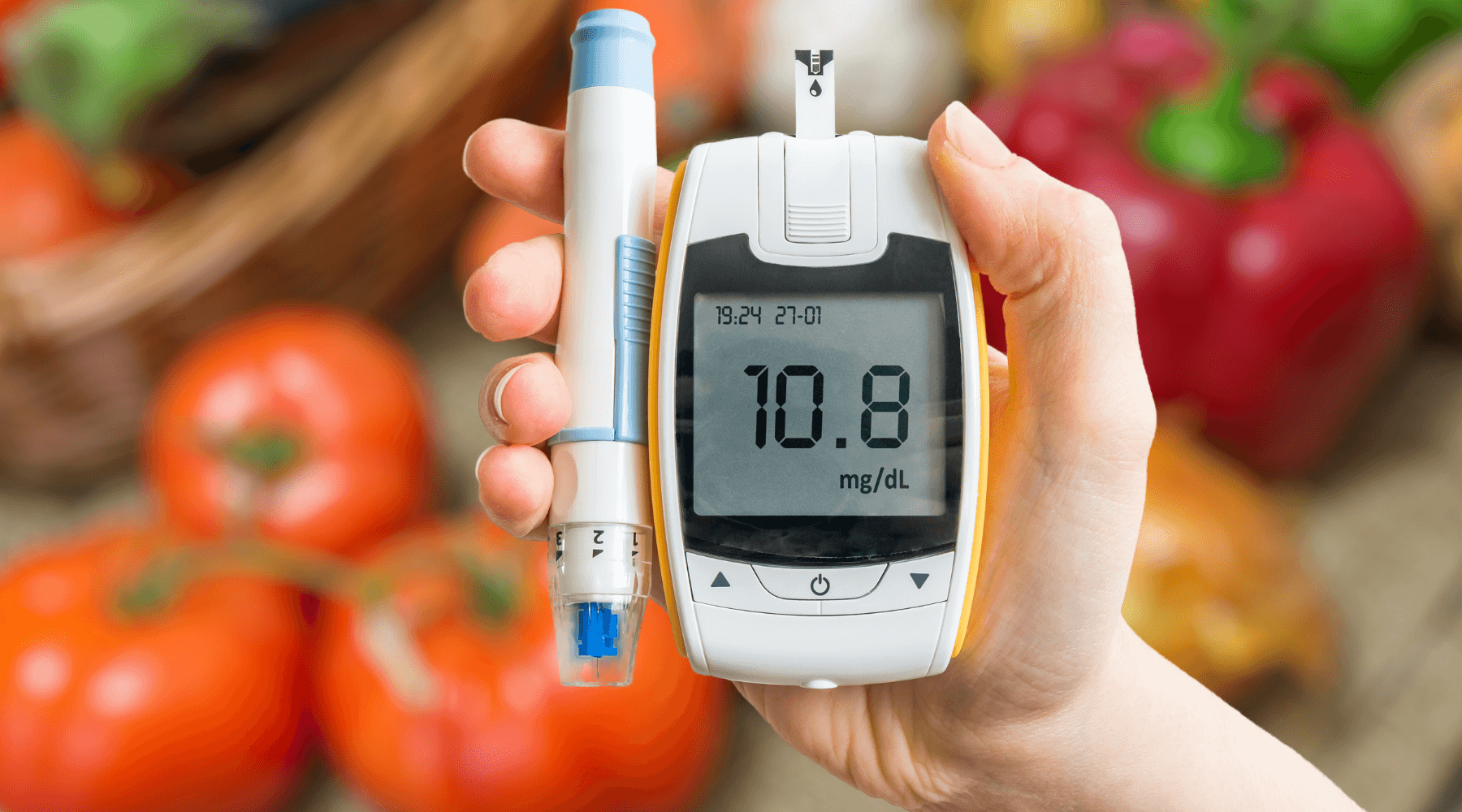
On the day of your check-up, bring sunglasses for the drive home (due to dilation) and a list of all your current medications, including dosage. Also, be ready to provide your most recent HbA1c test results, if available. Understanding your long-term blood sugar control is vital for risk assessment.
Ultimately, the best way to ensure successful eye health is through diligent diabetes management. Regular appointments are crucial, but they work hand-in-hand with controlling your glucose levels, maintaining healthy blood pressure, and keeping your cholesterol within target ranges. These systemic controls are the foundation upon which your healthy vision rests.
Conclusion
Living with diabetes requires vigilance, and prioritizing your sight is a major component of a healthy lifestyle. Remember, vision loss from diabetic eye disease is largely preventable through early detection and timely intervention.
By committing to a comprehensive, annual Diabetic Eye Check Up, you are taking proactive control over your health destiny. Don't wait for symptoms to appear; schedule your next appointment today and work closely with your eye care team to protect your precious vision.
Frequently Asked Questions (FAQ) About Diabetic Eye Check Up
- What is the difference between an optometrist and an ophthalmologist for a diabetic exam?
- An optometrist can perform comprehensive eye exams and prescribe corrective lenses, often detecting signs of retinopathy. However, an ophthalmologist is a medical doctor specializing in eye and vision care who is qualified to diagnose and treat all eye diseases, including performing surgery. If retinopathy is found, you will likely be referred to an ophthalmologist.
- Does my standard eye exam count as a Diabetic Eye Check Up?
- Not necessarily. A standard eye exam may not include the thorough pupil dilation and specialized imaging (like OCT) required to fully evaluate the delicate blood vessels in the retina. Always specify to your provider that you require a diabetic-specific comprehensive eye exam.
- If my blood sugar is perfectly controlled, do I still need an annual check-up?
- Yes. While excellent glucose control significantly lowers your risk, it does not eliminate it entirely. Factors like duration of diabetes and blood pressure also play a role. Annual screening remains the gold standard of care for sight preservation.
- Is a Diabetic Eye Check Up painful?
- The examination itself is not painful. The most uncomfortable part might be the temporary stinging sensation from the dilation drops and the bright lights used to examine the retina. Otherwise, the tests are non-invasive and easy to tolerate.
- Can vision damage from diabetes be reversed?
- In some early stages, damage such as mild macular swelling can improve with strict blood sugar and blood pressure control. Advanced damage (like significant scar tissue or extensive bleeding) may be stabilized, but permanent vision loss may not be fully reversible. This emphasizes the importance of the preventative Diabetic Eye Check Up.
Diabetic Eye Check Up
Diabetic Eye Check Up Wallpapers
Collection of diabetic eye check up wallpapers for your desktop and mobile devices.
Mesmerizing Diabetic Eye Check Up Capture Collection
Explore this high-quality diabetic eye check up image, perfect for enhancing your desktop or mobile wallpaper.
Beautiful Diabetic Eye Check Up Picture Art
Explore this high-quality diabetic eye check up image, perfect for enhancing your desktop or mobile wallpaper.
Detailed Diabetic Eye Check Up Image Concept
Discover an amazing diabetic eye check up background image, ideal for personalizing your devices with vibrant colors and intricate designs.
Serene Diabetic Eye Check Up Design Photography
Experience the crisp clarity of this stunning diabetic eye check up image, available in high resolution for all your screens.
Captivating Diabetic Eye Check Up Capture Art
Find inspiration with this unique diabetic eye check up illustration, crafted to provide a fresh look for your background.
Serene Diabetic Eye Check Up Picture Nature
Explore this high-quality diabetic eye check up image, perfect for enhancing your desktop or mobile wallpaper.
Vibrant Diabetic Eye Check Up Background Illustration
Explore this high-quality diabetic eye check up image, perfect for enhancing your desktop or mobile wallpaper.
/complicationsofdiabetes-GettyImages-1302948460-829d6ca13e4945eab127f8dd9d87b773.jpeg "Beautiful Diabetic Eye Check Up View for Desktop")
Beautiful Diabetic Eye Check Up View for Desktop
Transform your screen with this vivid diabetic eye check up artwork, a true masterpiece of digital design.

Serene Diabetic Eye Check Up Image for Your Screen
Experience the crisp clarity of this stunning diabetic eye check up image, available in high resolution for all your screens.

Captivating Diabetic Eye Check Up Background Concept
Find inspiration with this unique diabetic eye check up illustration, crafted to provide a fresh look for your background.
Vibrant Diabetic Eye Check Up Wallpaper for Desktop
Explore this high-quality diabetic eye check up image, perfect for enhancing your desktop or mobile wallpaper.

Crisp Diabetic Eye Check Up Design Concept
Find inspiration with this unique diabetic eye check up illustration, crafted to provide a fresh look for your background.

Exquisite Diabetic Eye Check Up Scene Art
This gorgeous diabetic eye check up photo offers a breathtaking view, making it a perfect choice for your next wallpaper.

Gorgeous Diabetic Eye Check Up Abstract for Mobile
A captivating diabetic eye check up scene that brings tranquility and beauty to any device.

Beautiful Diabetic Eye Check Up Artwork Photography
Discover an amazing diabetic eye check up background image, ideal for personalizing your devices with vibrant colors and intricate designs.
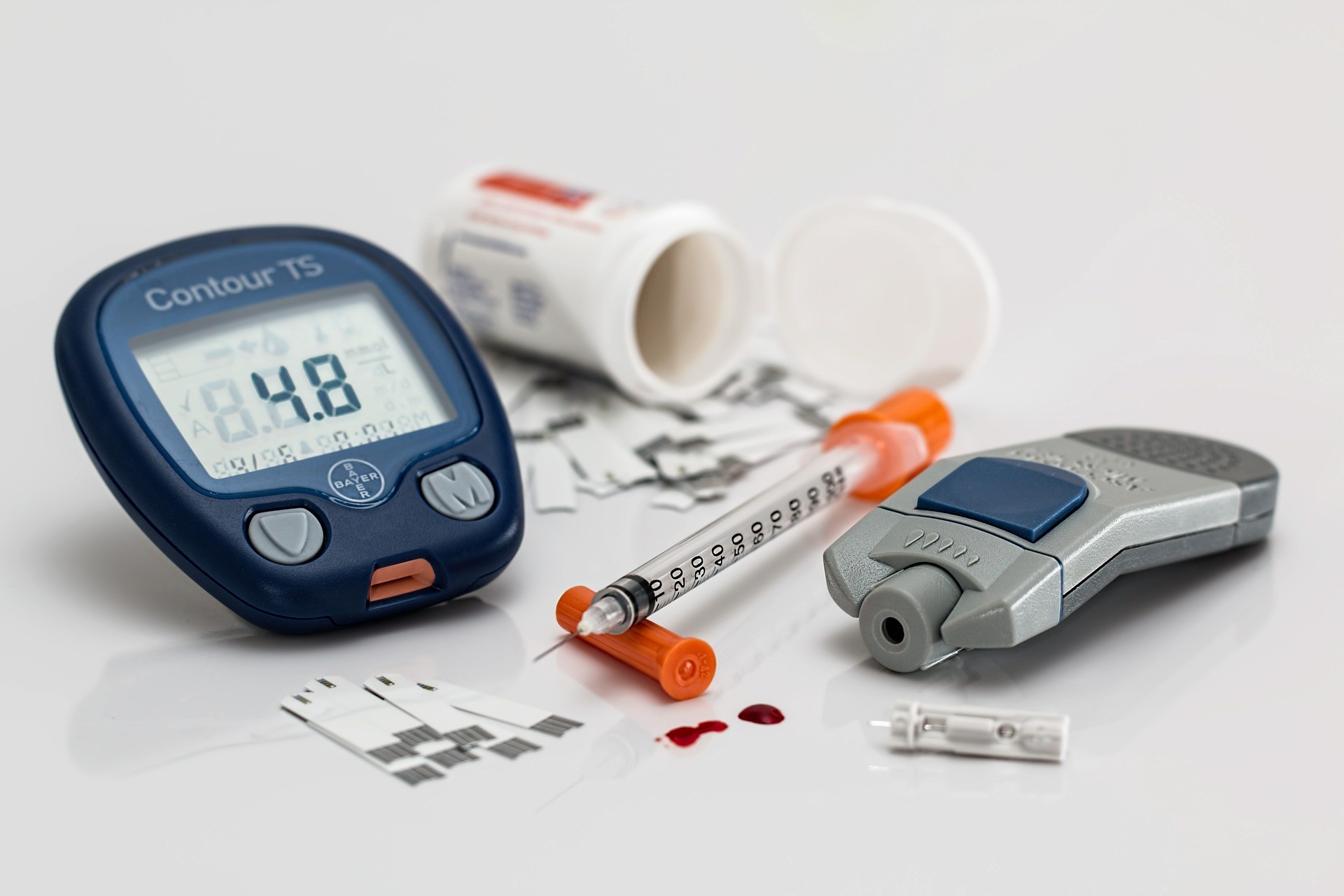
Artistic Diabetic Eye Check Up Landscape Digital Art
This gorgeous diabetic eye check up photo offers a breathtaking view, making it a perfect choice for your next wallpaper.

Dynamic Diabetic Eye Check Up Capture Concept
A captivating diabetic eye check up scene that brings tranquility and beauty to any device.
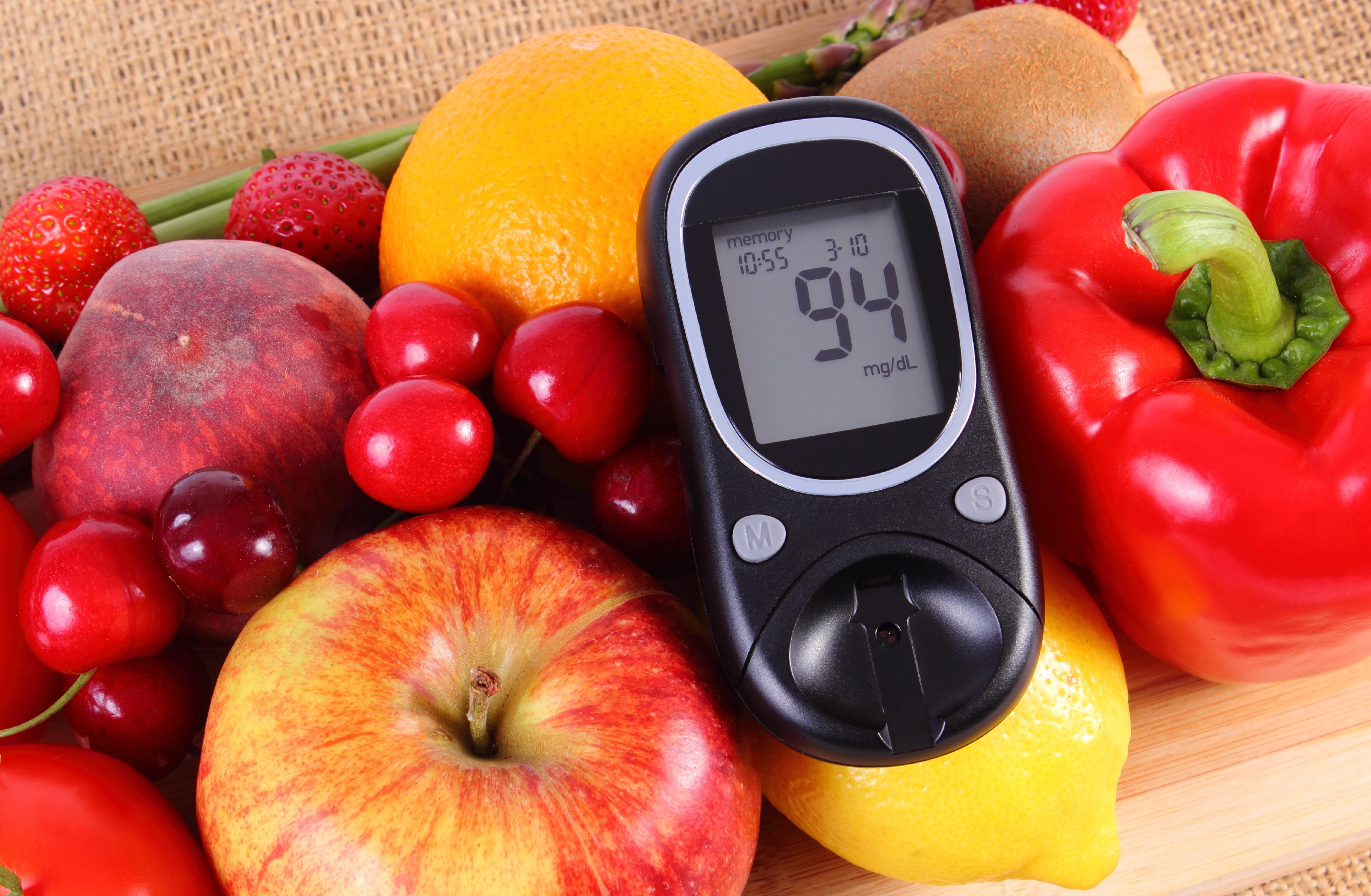
Captivating Diabetic Eye Check Up Moment Collection
Find inspiration with this unique diabetic eye check up illustration, crafted to provide a fresh look for your background.
:max_bytes(150000):strip_icc()/glucose-level-blood-test-1185738340-75b803e23e9a4ce6a550cbf41c3c2972.jpg "Stunning Diabetic Eye Check Up Moment in 4K")
Stunning Diabetic Eye Check Up Moment in 4K
A captivating diabetic eye check up scene that brings tranquility and beauty to any device.

Beautiful Diabetic Eye Check Up Design Art
Explore this high-quality diabetic eye check up image, perfect for enhancing your desktop or mobile wallpaper.
Download these diabetic eye check up wallpapers for free and use them on your desktop or mobile devices.
0 Response to "Diabetic Eye Check Up"
Post a Comment